
" We don't sell the wine without touching the vine "
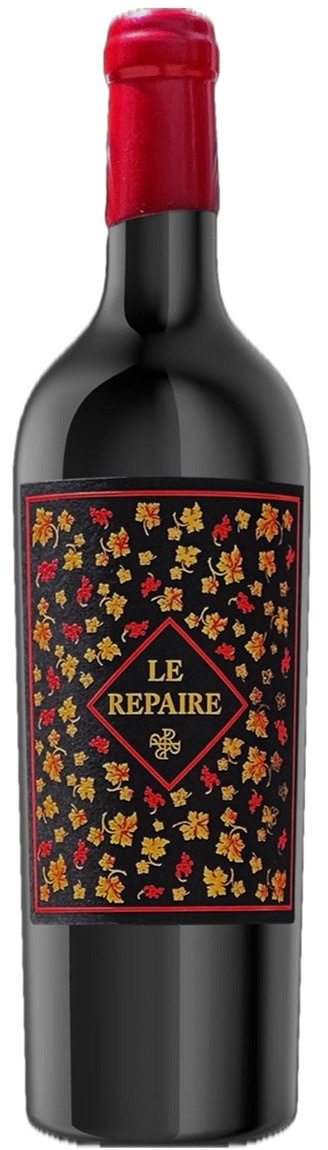
| Country: | France |
| Region: | Bordeaux |
| Winery: | Lassagne |
| Grape Types: | Cabernet Sauvignon Petit Verdot |
| Organic: | Yes |
| Vintage: | 2023 |
| Bottle Size: | 750 ml |

Cabrieres Chateauneuf du Pape Rouge Les Silex is made from 80% Grenache and 20% Syrah .
The vineyard is situated on the high tablelands, which are characteristic of the northern area of Châteauneuf-du-Pape. The terrain consists mainly of alpine diluvium and chalky Miocenian soil, with large flint pebbles covering the surface. These pebbles conserve the heat of the day during the night, thus avoiding too much evaporation.
A blend of 80% Grenache and 20% Syrah. Elegant cherry red color, with expressive notes of red fruits (strawberry and raspberry). Mellow tannins, well-balanced on the palate. I feel I need to point out the freshness, it is bright and lively on the palate, something we don’t see a lot of in this region. This also makes it extremely food friendly as it can hold up to fatty proteins.
Very good with white meat, red meat, charcuterie and cheese.
Review:
-Jeb Dunnuck 91 Points
-Nicolas Greinacher (Vinous) 90 Points

Grand Veneur Chateauneuf du Pape Rouge Le Miocene is made from 70% Grenache, 20% Syrah, 10% Mourvèdre .
An intense dark-ruby color. The nose develop aromas of ripe black fruit (such as blackberry), cherry and spice box. The palate reveals the presence of tannins, in high quantity and elegant. The finish is long and luxurious. This is the Châteauneuf du Pape expression, displaying all the characteristics of the terroir.
Soil type: Plots are located northern part of Châteauneuf du Pape and the vines are grown under organic process.The soil is marked by the violence wrought by the Rhone river. It consists of a layer of marine molasses of the Miocene period covered by alpine alluvium. The presence of a great number of rounded stones known as "galets" in the earth is evidence of the time when the Rhone, then a torrent, tore fragments of rock from the Alps and deposited them on the plain. The GRAND VENEUR cuvee will express year after year a great power and aromatic complexity.
Winemaking & ageing: Harvest is sorted by hand, destemmed and crushed. Fermentation temperature is controlled at 30°C. Vatting period of 18 to 20 days. Matured in vats and oak casks.
Review:
-Jeb Dunnuck 93 Points

Chateau Arnauds des Bordeaux Rouge is made from 100% Merlot.
The wine shows a deep red purple color and intense aromas of black fruits (blackcurrant, black cherry) with hints of liquorice. Very fruity and well-balanced. It is powerful and well structured in the mouth with round and silky tannins, ripe flavors of black fruits. Strong and a slightly spicy finish.
Grapes are coming from 30 year old vines planted on gravelly soils.
The land benefits from sun exposure, warmth and humidity that are strong assets for the vine culture.
The wine pairs well with game meat and beef on the grill.

Fayolle Crozes-Hermitage Rouge Cuvee Nicolas is made from 100 percent Syrah.
Deep ruby red color. Nose of red and black currant fruits, pepper, spring flowers, new leather and mineral/earthy nuances. Medium bodied palate of red fruit and spice. Nice balance. Long finish and velvety.
Good match with red meat (beef, lams) or white meat (veal) in sauce, poultry and game meat. Perfect with most cheeses.
Review:

Bertrand Bachelet Maranges Rouge is made from 100 percent Pinot Noir.
The Maranges appellation is the youngest of the Côte de Beaune family, making its debut in May 1989. It spans three villages: Dezize-les-Maranges, Cheilly-les-Maranges and Sampigny-les-Maranges. Several hills and slopes make up this appellation, that are south/south-east-facing. This appellation produces mainly red wines comprising 95% of total production.
Bertrand Bachelet Maranges is produced from two villages, Aux Artaux and En Crevèches, both situated in the Cheilly-les-Maranges area. The vineyards spreads over 1.42 hectare (3.50 acres).
The wine offers a deep red color with purplish highlights, a powerful nose with aromas of raspberries, blackcurrants, and small red candied fruits. A silky texture, fresh and elegant on the palate.
Ideally paired with red meat or a more exotic dish, such as nems, grilled ribs or braised pork.
Le Repaire Bordeaux Rouge Lussac St.-Emilion is made from 50% Cabernet Sauvignon and 50% Petit Verdot.
Special terroir for Cabernet et Petit verdot.
This wine is being created to coincide with the opening of our guest house "Le Repaire de Maltus Gîtes & Spa" in the Spring of 2024.
Tangy and fresh with the purity of fruit and creamy, fine and velvety tannins. Medium body.
Pairs with red meat, strong cheeses.
RS: 0.7grams/Liter
TA: 3.31
Vignobles Lassagne is owned by Nicolas Lassagne and his wife Sabrina. It encompasses three properties, beginning with Chateau des Arnauds, which was founded 1952 by Paul Lassagne, Nicolas' grandfather. He started with only 2 hectares and grew to 7 hectares. In 1979. Nicolas’ father Daniel joined the winery and bought more vineyards surrounding the cellar, increasing acreage to 29 hectares. Nicolas came on board in 2001, continuing family traditions and bringing his own expertise to his role of winemaker. With the acquisition of Chateau Maltus in 2015, Vignobles Lassagne now has 32 hectares (80 acres) of vineyards. Vineyards are planted with Merlot, Cabernet Sauvignon and Cabernet Franc.
Vignobles Lassagne encompasses these three properties:

Robert Mondavi Winery Napa Red Blend is made from 74% Cabernet Sauvignon, 13% Cabernet Franc, 9% Merlot, 4% Petit Verdot.
Robert Mondavi’s vision was to elevate Napa to the world stage. In celebration of his achievement, our Napa Tier wines are sourced from distinctive vineyards throughout the Napa Valley and truly emulate a classic Napa Valley style.
Nearly half of this year’s blend is sourced from the deep, well-drained soils of Oakville, which provides gorgeously dark, supple wines with fine tannins. Stags Leap District, Oak Knoll, Yountville, and Rutherford also find their place in the bottle, with the varying mesoclimates and soils of these vineyards integrating seamlessly into a 100% Napa Valley blend.
Review:
-James Suckling 93 Points
-Jeb Dunnuck 91 Points

Reynvaan Foothills Reserve Estate Syrah 2021 is made from 100% Syrah.
Reynvaan Family Vineyards was founded in 2004 by Mike and Gale Reynvaan in Washington’s Walla Walla Valley, with son Matt Reynvaan as winemaker, and has become one of the most sought-after names in the state for its Rhône-inspired, estate-grown reds. The Foothills Reserve is a barrel selection from the family’s high-elevation Foothills in the Sun Vineyard, planted in 2008 on loess soils over deep basalt in the foothills of the Blue Mountains.
Walla Walla Valley Syrah is prized for two very different terroirs: the basalt-cobblestone Rocks District, known for savory, meaty, olive-and-mineral character, and the wind-swept loess hillsides that lend structure, freshness and lift. The Foothills site sits among the latter, giving a Syrah of both power and energy.
Review:
A total masterclass, the 2021 ‘Foothills Reserve’ is a barrel selection wine that comes from the Reynvaan’s high elevation estate Foothills In The Sun Vineyard. The site is set on Loess soils with deep basalt deposits and I have been writing about the potential of this site for more than a decade. Today, wines from this high-elevation location are every bit as good as those from their Rocks District vineyard. Hoisin sauce, beef drippings, menthol, and shades of wild blackberry all combine on the nose. The palate is utterly seamless with serious tension, weight and mouth-watering acidity. It offers La Landonne levels of flavor complexity, yielding blood orange zest notes alongside red cherry candy, cigar ash, wet stone and pipe tobacco that all brilliantly meld together on the palate. Showing seriously good flavor and aromatic range, enjoy this simply stunning Syrah now and over the next ten plus years to come. Drink 2023-2037.
Owen Bargreen, 99 points
Review:
-Jeb Dunnuck 98 Points
-Wine Enthusiast 97 Points
-Eric Guido (Vinous) 96 Points
-James Suckling 95 Points



