
" We don't sell the wine without touching the vine "
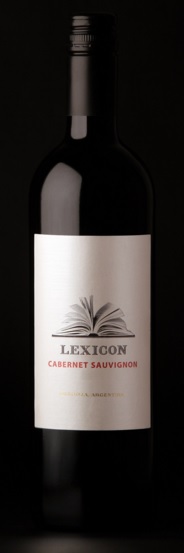
| Country: | Argentina |
| Region: | Mendoza |
| Winery: | Lexicon |
| Grape Type: | Cabernet Sauvignon |
| Vintage: | 2016 |
| Bottle Size: | 750 ml |
-150x300.jpg "Lexicon Cabernet Sauvignon Napa Valley 2021")
Lexicon Cabernet Sauvignon Napa Valley is made from 100 percent Cabernet Sauvignon.
Lexicon varietal wines are carefully selected by Fran Kysela to show the essence of each variety, along with its terroir of origin, both of which are essential elements of a good wine.
Lexicon Cabernet Sauvignon offers rich and concentrated fruit aromas of red and black currant, cassis and black cherry along with black pepper and dried herb accents. It is soft and generous in the mouth, intense and complex, with supple tannins and elegant structure.
Pair with: Grilled meat, ribeye steak, filet mignon, roasted lamb with fresh herbs, cheesburger, semi-hard cheeses, truffled brie, portobello mushrooms.

Avennia Red Willow Cabernet Sauvignon is made from 100% Cabernet Sauvignon.
The Red Willow Cabernet is a true blockbuster.
Coming from one specific block of 30 year old vines at this iconic vineyard, then strictly barrel selected, this is the essence of powerful, old vine Washington Cabernet. After all of our efforts promoting the idea of the Bordeaux blend, it would take a pretty compelling argument to suspend that idea and make a 100% varietal Cabernet. In 2016 Red Willow provided us with just that. Each time we tasted it in the barrel, the belief grew that this was something special. Something we can't make every year. In the end we were won over, and decided to make a limited amount of this wine. But don't be fooled, as this too is a blend and a selection. Each year as we are tasting the grapes as harvest approaches, we notice that the vines near the bottom of this long, steep west-facing slope, are a little different. The vines at the bottom are in a little richer soil, and get a little more water, so we pick them separately, sometimes even a week or ten days apart, and keep them separate in barrel.
This wine is all from the top of the vineyard, with its lower yield and poorer soils giving more concentration and interest. Then further, nearly every combination of new and used French oak barrels were trialed to find the best blend. It's not enough just to use the four best barrels, but to trial each combination to see how they complement each other. For a wine with this much mass, 100% new French oak was used for the first time at Avennia. It is a wine that needs a little cellaring to start, but should last a very long time.
Review:
"The 2016 Cabernet Sauvignon Red Willow Vineyard is 100% Red Willow Cabernet Sauvignon that will spend roughly 20 months in close to 100% new French oak. Blackcurrants, smoked herbs, chocolate, and graphite notes all give way to a full-bodied, plump, rich, concentrated effort that's going to be better with short-term cellaring and keep for two decades."
- Jeb Dunnuck (April 2018), 94-96 pts

Charles Krug Peter Mondavi Family Vintage Selection Cabernet Sauvignon is made from 100 percent Cabernet Sauvignon.
Review:
The 2016 Cabernet Sauvignon Vintage Selection has a deep garnet-purple color and features exuberant notes of crushed black cherries, mulberries and blackcurrant cordial with touches of unsmoked cigars, menthol, yeast extract and pencil shavings. Full-bodied, concentrated and opulent in the mouth, it has a solid line of plush tannins and plenty of backbone freshness to lift the generous fruit to a long fruity finish.
-Wine Advocate 95 Points

Freemark Abbey Sycamore Cabernet Sauvignon is made from
Wine Profile: Opaque dark ruby describes the color of this Rutherford wine. Black currant and Boysenberry notes dominate the aroma, with dark chocolate truffle, cocoa powder, Worcestershire sauce, cremini mushrooms and forest floor adding to the complexity. The oak adds the ideal amount of complexity with aromatic cedar, cinnamon and clove. The wine has great depth of black fruit flavor, with a strong expression of sweet black cherry. This full-bodied cabernet sauvignon has resolved tannins yet firm structure, with good acidity. Lovely long finish!
Primary Vineyard: Sycamore Vineyard—Rutherford (100%): Small 24-acre vineyard located about 1.2 miles south of Bosche, right up against the Mayacamas Range, this vineyard has a rich clay loam. Sycamore Vineyard produces small berries reminiscent of mountain fruit berries, with intense extract of color and flavor. The color is very dark early in the fermentation, with flavors of black currant and black berry with a forest floor complexity.
Review:
From a vineyard closer to the Mayacamas Mountains and first made in 1980, the 2016 Cabernet Sauvignon Sycamore Vineyards checks in as 88% Cabernet Sauvignon, 7% Merlot, and the rest Petit Verdot and Cabernet Franc. It spent 27 months in 66% new French. It offers more black fruits, earth, tobacco, cedar, and gravelly minerality as well as a touch more burly, masculine style on the palate. Nevertheless, it's still beautifully balanced, has considerable elegance, and a great finish.
-Jeb Dunnuck 95 Points
Deep garnet-purple colored, the 2016 Cabernet Sauvignon Sycamore Vineyards gives up powerful crème de cassis, dark chocolate-covered cherries, mulberries and baked plums scents with hints of lavender, camphor, pencil shavings and dusty soil. Medium to full-bodied, the palate is packed with rich, black fruits plus a beautiful perfumed undercurrent, framed by finely grained tannins and lovely freshness, finishing with a mineral lift. 1,989 cases were made.
-Wine Advocate 95 Points
Herbal, with characteristics of peppercorn, cedar and pencil shavings, this beautiful wine is also dusty and mineral-driven, with demure flavors of red and black currant. Full bodied and well structured, it shows an underlying softness that should continue to soften in the cellar. Enjoy best from 2026–2031.
-Wine Enthusiast 95 Points

Paradigm Cabernet Sauvignon is made from 90% Cabernet Sauvignon, 8% Merlot, 1% Petit Verdot, 1% Cabernet Franc
20 months in French oak (only about a third of that is new oak) and for 20 more months in bottle before release
Our winemaking "style" is solely determined by this place or terrior we call "Paradigm." Winemaking is agriculture when you own your vineyards and are able to farm them to promote the very best Earth will give you. All of our selections of wines are made from five varietals on the estate. Every wine is 100% farmed and grown by us.
Complexity in our wines supported by luscious fruit and acidity is our hallmark. Our efforts during harvest and barrel cellaring concentrate on maintaining the freshness from the first day we handpicked each vineyard block. Simple winemaking protocols are employed while crucial “timing” oriented winemaking decisions rule each day.
Dark Cabernet color with beautiful aromas of black cherry, cassis, plus 5-spice, vanilla. Big, ripe and mouthcoating across the palate. The flavors are similar to the aromas with ripe fruit, berry/cherry pie, moderate tannins, and nice length. This wine shows enough structure to be age-worth, yet soft and balanced enough to enjoy upon release. Flavors linger in this tasty, dense wine. Tastes like Oakville. -Heidi Barrett
Review:
"Pretty cassis and blackberry fruits as well as notes of cedar pencil, spicy oak, and tobacco emerge from the 2016 Cabernet Sauvignon Oakville. Medium-bodied, it has a balanced, elegant texture, moderate tannins, and a good finish. It's a complex, classy wine to enjoy over the coming decade or more. This is a classic, workhorse styled Cabernet from winemaker Heidi Barrett with lots to love. The blend is 87% Cabernet Sauvignon, 7% Merlot, 4% Petit Verdot, and the balance Cabernet Franc, all aged 20 months in French oak."
- Jeb Dunnuck (March 2021), 90 pts

The Grade Napa Cabernet Sauvignon Winfield Vineyard is made from Napa Valley Cabernet Sauvignon.
“2016 produced wines that are very giving, round, coating and streamlined. Year after this year, this bottling aims to highlight the best attributes of the Winfield Vineyard, and also creates a wine that possesses qualities that allow it to age well in the cellar and evolve over many years.
“This wine expresses a focused balancing act of dark, rich black fruit, and a fine tannin structure, illuminated through the core with a laser-like acidity. The wine displays a deep purple-red hue with a cranberry halo. Aromas of cassis, cinnamon, citrus oil, roasted meat, and lilac swell from the glass.
“The palate is marked by a wave of jet-black brambly fruit up front, followed by an exotic spice mid-palate and a long, complex finish that lasts and lasts expressing notes of flowering jasmine, and oolong tea. The silky tannins hold everything together and will certainly allow this wine to evolve in the cellar for at least 7-10 years.” - Thomas River Brown
Review:
Coming from the Winfield Vineyard in Calistoga, the 2016 Cabernet Sauvignon is another brilliant wine from the hands of winemaker Thomas Rivers Brown. This deep purple-colored effort boasts tons of blueberry and jammy blackberry fruits as well a medium to full-bodied, concentrated, yet elegant style on the palate. It has the purity of fruit that’s the hallmark of the vintage, ripe, sweet tannins, and no hard edges, and is already hard to resist.
-Jeb Dunnuck 94 Points
A strong sense of berry come with an elegant oak and vanilla aromas. The palate is fruity, but the tannins are quite present.
The flavors are classic for a Mendoza Cabernet Sauvignon wine, with plum, dark-berry, fig cookie and chocolaty flavors that control a lenghtly finish.
The Lexicon line of varietal wines has been carefully selected by Fran Kysela MS to show the essence of each variety, along with its terroir of origin, both of which are essential elements of a really good wine.

Zombie Zin Zinfandel is made from 95% Zinfandel and 5% Syrah
Be careful if you go out at night. The Zombie Zin is designed to be consumed in hiding with the only friends you have left... post apocalypse.
The Zombie Zin is sporting a new label design with a torn look, that suggests a window into another world. The colors are more vibrant earth-tones and the capsule is a deep red.
The Zombie Zinfandel is very dark in color, almost a black-purple. The aromas are of ripe, dense black fruits and a hint of dried herbs. The flavors are complex and rich, sporting succulent blackberries, powdered cinnamon, cola and cherry jam. Just a hint of black pepper in the long finish.
The grapes for the Zombie are sourced throughout California, mostly from the dry, hot sandy soils of the Delta region and the Central Valley. The final blend benefitted from some inky Syrah grapes that came from the Central Coast. The wine was fermented in Stainless Steel and aged for about a half a year in American oak.
Pairs well with bloody BBQ meats, sinister soups with eye of newt, bubbly caldron of fleshy stew.

Every now and then, in life and in wine, we are presented with unique opportunities to express ourselves and create something truly remarkable.
When rare opportunities arise, we need to capture, nurture and develop them so that their potential is fulfilled. So when Torbreck was given the opportunity to work with one of the most famous vineyards in the Barossa Valley, it became almost inevitable that the resulting wine would be truly remarkable.
In 2003, Torbreck growers and fourth generation descendants of the Seppelt family, Malcolm and Joylene Seppelt, asked our winemakers to create for them a small batch of Shiraz from their old Gnadenfrei vineyard in the sub-region of Marananga.
Planted in 1958, the five acre vineyard is traditionally dry grown and comes from an original Barossa clonal source. South facing, on the eastern side of a ridge separating the Seppeltsfield and Marananga appellations, these aged vines have been meticulously hand tended, traditionally farmed and pruned by a grower with a lifetime’s experience on Western Barossa soils of very dark, heavy clay loam over red friable clay. The resulting low yields of small, concentrated Shiraz berries make the vineyard the envy of all winemakers in the Barossa.
We looked longingly at the wine when it was returned to the Seppelts, knowing that it was the best we had ever made. In 2005 we convinced the Seppelts to sell Torbreck the fruit and The Laird was born. In 2013 Torbreck purchased the Gnadenfrei vineyard, securing The Laird’s reputation as one of the world’s great single vineyard Shiraz wines.
Torbreck is the name of a forest near Inverness, Scotland and you’ll find more than a passing nod to the Celts in our wine naming conventions. The Laird of the Estate in Scotland is the Lord of the Manor and master of all he surveys.
Review:
I poured the 2017 The Laird, set it aside and got about doing other jobs for 45 minutes or so, to give it some room to breathe. And it does breathe. It has its own pulse and beat and life, and it flexes and moves in the mouth. This is incredibly enveloping, with aromas reminiscent of campfire coals, charred eucalyptus, lamb fat, roasted beetroot, black tea and a prowling sort of countenance. In the mouth, the wine is bonded and cohesive and seamless, there are no gaps between anything, no space between fruit, oak and tannin; it all comes as one. While this is a singular wine, it is so big and concentrated that it needs no accompaniment other than some fresh air and a good mate. It's denser than osmium and is impenetrable at this stage.

Colgin Cellars Jubilation Napa Valley is made from 53% Cabernet Sauvignon, 26% Merlot, 13% Cabernet Franc, 8% Petit Verdot.
In keeping with the extraordinary growing season, the 2021 Jubilation by Colgin Cellars is brimming with intense fruits and pure mineral notes of stone and graphite. Vivid aromas of black cherry, baking spices and savory herbs resonate on the nose. Sleek, yet silky tannins glide across the palate with a graceful feel. The succulence of the palate lingers with subtle flavors of cocoa and licorice.
Review:
Splendid aromas of plums, bark, earth, cedar and some light chocolate and wet earth undertones. It’s medium- to full-bodied, with creamy and very fine tannins giving it depth and length. A blend of vineyards, including Colgin Vineyards and Vine Hill. Gorgeous now.
James Suckling 97 Points



