
" We don't sell the wine without touching the vine "

| Country: | Portugal |
| Region: | Vinho Verde |
| Winery: | Encostas do Lima |
| Grape Type: | Lourerio |
| Vintage: | 2010 |
| Bottle Size: | 750 ml |
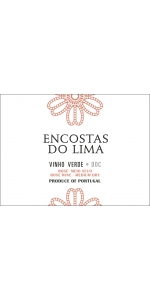
Lima Vinho Verde Rose is made from 75% Souzao, 15% Borraçal and 10% Espadeiro.
It is a blend of 75% Souzao (same as Vinhao), 15% Borraçal (which is also known as Caino Tinto) and 10% Espadeiro:
Souzão (or Sousão or Vinhão) is a Portuguese wine grape that is used in the production of port wine. While originating in the Minho regions, it is used primarily in Australia, California and South Africa. In Portugal, it is also an authorized planting in the Douro, and Dão-Lafões area (Vinho do Dão). The grape is known for the deep color it produces in a wine as well as its coarse and raisiny taste.
Caiño tinto (also known as Borraçal) is a red Galician wine grape variety that is also grown in Portugal's Vinho Verde wine region where it is known as Borraçal. In Spain, it is a permitted variety in the Denominación de Origens (DOs) of Rías Baixas and Ribeiro where it produces highly perfumed wines with noticeable tartness and high acidity.
Espadeiro is a red Portuguese wine grape planted primarily in the Minho region for making Vinho Verde. It is also grown across the border, in Spain, in Galicia where it is used to make light bodied wines.
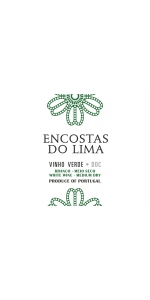
Lima Adega Vinho Verde is made from 80% Loureiro and 20% Trajadura
All Vinho Verde (or green wines – meaning young, not green in flavor) are the best in the first 18 months. The wine is fresh, crisp, lively with a touch of spritz. It has some very interesting aromas of stone fruit and lime.
Portuguese Vinho Verde with a screwcap!
Loureiro: Loureiro is a white vine variety grown in the northern region of Portugal that produces an aromatic bay leaf scent. The pale-skinned variety is used to make the Vinho Verde white wine that of the Minho region.Traditionally, Vinho Verde wines include Trajadura and Pederna, but varietal Loureiro wines are becoming increasingly popular. The Loureiro variety is also grown in smaller batches in Galicia, which sits to the north of border of Spain. Loureiro variety grapes are high in acid and is sometimes called "Branco", "Marques", or "Redondo". In this region, the variety is used to create the Rias Baixas white wine, and is typically blended with the variety, Albarino. The wine works perfectly with fish, grilled good, sushi, shellfish, salads or fruits. The wine also pairs nicely with clams and white wine or fresh spring rolls. The variety is high in acidity and is typically bottled with a shot of carbon dioxide to maintain the quality of the wine and to give it a nice, bubbly texture. The taste of the wine includes aromas of citrus, tropical fruits and a mineral tone, and also has hints of floral aromas.
Trajadura: Trajadura is a white grape varietal also known as Treixadura. Trajadura originates from Portugal, particularly the Northern region. Trajadura is most famously used in Portugal's Vinho Verde wine, but Trajadura is also utilized in blends to add fullness and brisk citrus flavor. The low acid content in Trajadura, combined with a higher alcohol content make it an ideal and rare blending component in this particular climate region. When Trajadura is blended with Loureiro and Albarino it is the perfect balance for Vinho Verde. In Spain, Trajadura is called Treixadura and is most commonly found n Rias Baixas and Ribeiro. Spain also takes advantage of the blending characteristics while combining with Albarino, Abillo, Lado, Macabeo, Godello, and Torrontes. The Trajadura vines are recognized by average sized bunches that are dense with moderately sized berries. Trajadura ripens early, so to keep the acidity, it must be harvested rather early. The flavor profile for Trajadura will consist of apricot, peach, apple, lemon, and pear.
With low alcohol, it is best as an aperitif or with seafood. Definitely a summer drink.

Vinhão (also known as Souzao or Sousao) is a Portuguese wine grape used in the production of port wine. While originating in the Minho regions, it is used primarily in Australia, California and South Africa. In Portugal, it is also an authorized planting in the Douro, and Dão-Lafões area (Vinho do Dão). The grape is known for the very deep color it produces in a wine as well as its coarse and raisiny taste.
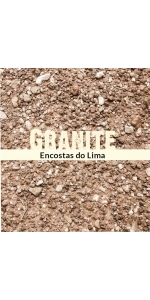
Lima Granite Vinho Verde is made from 100 percent Loureiro.
This special project from the Adega Ponte de Lima highlights the diverse soils of the Vinho Verde region. Made from 100% Loureiro grapes, both the Granite and Schist varieties boast a crisp acidity and expressive minerality.
Lima Vinho Verde Granite displays intense floral aromas with great freshness and more accentuated minerality.
Sushi, fish, seafood, cheeses and salads.
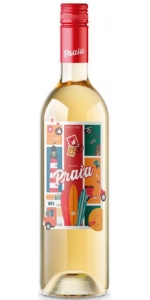
Praia Aveleda Vinho Verde NV is made from 40% Loureiro, 20% Trajadura, 20% Arinto, 20% Azal.
Praia, which means "beach" in Portuguese, is a smooth and fresh wine with delicate and lovely fruity flavors. Slightly spritzy, it is well balanced and very refreshing.
The region is typical for its unique wines that are fresh and light, combined with a very well balanced acidity. These characteristics result from the region's unique soil and climate, with a strong Atlantic influence that you will identify when you taste it.
The wine is ideal as an aperitif or throughout a meal, especially with fish, seafood, white meat and salads. Due to it freshness, it is particularly pleasant in a relaxed and informal ambiance.
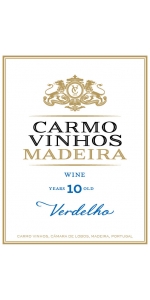
Carmo Vinhos Madeira Verdejo 10 Yr an amber medium dry wine with medium body and acidity. Rich aroma and flavor of dried fruits, nuts and caramel, showing a vibrant character, lengthy and well balanced. An excellent aperitif or as an accompaniment to pates.
Lima Vinho Verde 2010 contains grape varieties: 80% Loureiro and 20% Trajadura
All Vinho Verde (or green wines – meaning young, not green in flavor) are the best in the first 18 months. The wine is fresh, crisp, lively with a touch of spritz. With low alcohol, it is best as an aperitif or with seafood. Definitely a summer drink.
"Pale golden silver color. Bright floral aromas of peaches, raspberry and honeysuckle with a soft, dry-yet-fruity medium body and a crisp, tart citrus and talc accented finish. A delightful sipper that is sure to please."
- Beverage Testing Institute - 90pts BEST BUY
The Encostas do Lima Estate
Encostas do Lima is produced at Adega Cooperativa de Ponte de Lima, a beautiful small town with a Roman bridge and medieval towers.
The Encostas do Lima Vineyard
Vinho Verde country is located in northeastern Portugal and is the largest demarcated wine region in Portugal (61,750 acres in size). The six official sub-regions are: Moncão (Alvarinho country), Lima (our wine), Braza, Basto, Peñafiel and Amarante. The maximum yield is 5.45 tons/acre (80 hectoliters/hectare). Soils are poor with an underlying granite base. Grapes used in the production of Vinho Verde are: Alvarinho, Rabigato, Loureiro, Batoca, Trajadura, Avesso, Pederña, Azal.
Trefethen Family Vineyards Cabernet Sauvignon is made from 88% Cabernet Sauvignon, 6% Malbec, 6% Petit Verdot .
Dark fruit aromas of plum and black cherry are integrated with savory hints of cocoa, pepper and fragrant herbs. Bright on the palate, concentrated cherry flavors are layered with softer notes of vanilla and forest floor.
This wine pairs well with fatty dishes, which will highlight its fine-grained tannins and herbal notes. Winery Chef Chris Kennedy recommends fire roasted dishes and grilled or braised red meats.
Review:
“A melange of blackberry and cherry flavours imbued with simmering menthol and aromatic anise to amplify. Expansive and generous with spicy oak tannins and a lengthy finish.”
- 2024 Decanter World Wine Awards 95 Points

Palacio de Fefinanes Albarino "III Ano" is made from 100 percent Albarino
The III Año shows all the expressiveness of the Albariño grape, with full nose of mature fruit and a mineral character. Complex and meaty with firm structure in the mouth, it promises a splendid evolution which will favor a long life for this elegant wine with personality.
Aged for 3 years on the lees in stainless steel tanks.
Wine is aged for a total of 6 months: 4 months in French and American Oak barrels. No new oak, only 1, 2 and 3 year old barriques. During these 4 months, wine is aged on the fine lees with frequent Batonnage (stirring of the lees) in order to get the most expressive notes from the Albarino varietal. Then, it is transfered into a stainless steel tank, which allows the oak aromas to be assimilated and integrated.
1583 is the birth date of the Viscount of Fefinanes, Gonzalo Sarmiento Valladares, builder of the Castle of Fefinanes, in Cambados. They wanted to pay tribute to their ancestor with this wine that managed to reach a perfect harmony between the fruitiness of the Albarino grape and the complexity brought by the oak aging.
Excellent with shellfish, grilled or stewed fish, white meats, poultry



