
" We don't sell the wine without touching the vine "
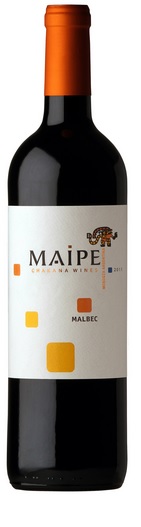
Maipe Malbec is made from 100 percent Malbec.
This Malbec has a deep purple color with violet tints, complex plum, fig, strawberry, spices and floral aromas; rounded and velvety tannins, excellent length with a distinguished character.
Excellent when paired with game, roasted red meats, pasta or pizza.
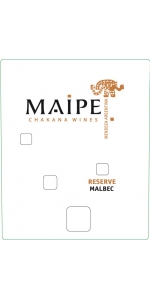
Maipe Malbec Reserve is made from 100 percent Malbec.
Maipe was the Lord of the Winds for the ancient Andean Indians. He is still called upon to clear the skies after heavy rain, or to temper the summer heat.
The nose reveals dried plum and dark fruits, exotic spices, with hints of violet and chocolate. Round and fleshy, with enticing crushed plum and boysenberry fruit enlivened by a liquorice snap note. Fresh acidity lies buried on the medium-weight, juicy finish.
The grapes are carefully chosen and fermented in small lots to preserve the vineyard identity. Alcoholic fermentation for 12 days with indigenous and selected yeasts, at temperatures of 26 and 30°C, combining, remontage, pigage and delestage in order to obtain the best quality of tannins and structure.
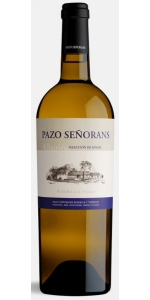
Pazo de Senorans Seleccion de Anada Albarino is made from 100 percent Albarino.
Straw yellow with greenish tints, vivid and brilliant. High intensity and very expressive. Profusion of aromas with traces of mineral. Great volume and ample body leaving a lasting impression from beginning to end.
Reviews:
The 2015 Albariño Selección de Añada is nothing short of phenomenal. For some reason, I hadn't tasted the young 2015 Albariño at the time it was released. It comes from the Los Bancales vineyard planted some 50 years ago and fermented with indigenous yeasts but without malolactic fermentation. It has a bright, almost fluorescent color and a complex, subtle and nuanced, elegant and expressive nose, with notes of sea shells and sea breeze, grass and white flowers. It's very clean, and the palate shows great balance and even feels a bit young. It has remarkable acidity and freshness (seven grams of tartaric acid) with good ripeness and 13% alcohol. This matured in tank with lees for over 30 months and was bottled in June 2024. It feels more serious and less exotic than earlier vintages. 18,000 bottles produced. This is the finest vintage that I can remember. Bravo!
-Wine Advocate 97 Points
Tech:
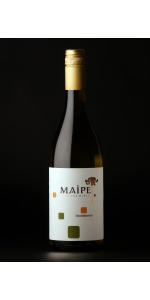
Maipe Chardonnay 2013 is made from 85% Chardonnay, 15% Viognier.
Manual harvest.
5 hour maceration on skins in temperature controlled steel vats; fermentation with selected yeasts at 14°-16°C; 30% malolactic fermentation.
30% was aged in French oak barrels.
Brilliant yellow golden color with green hints.
The wine is crisp and filled with white peach, pear, green apples flavors, toasty vanilla. Elegant and luscious wine, well balanced. Crisp and long finish.
Pairs well with creamy soups, pork, veal, vegetables.
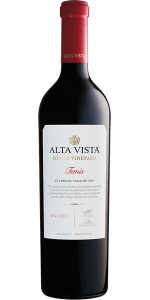
This vineyard is situated at over 3,000 feet in altitude in Valle de Uco, and the vines are over seventy years old. This light soil is sandy with some silt, is very permeable and has boulders and a broken layer of limestone at a depth of 2.5 feet. Traditional irrigation is fed by water from the Andes Mountains. Temis has the coldest climate of all Alta Vista’s terroirs. Nights are quite cool and days are warm and soft, with constant breezes that help to keep the vines and grapes healthy. The grapes have a slow, gradual cycle of ripeness that is balanced and ideal. Planted in 1942, the selection massale vines are characterized by small clusters with small, compact grapes.
Review:
There’s a touch of bark, grilled Mediterranean spice savoriness to the rich but fresh blackberries, salted black plums and graphite notes. Pretty saline and flavorful on the palate. The tannins are powerful yet fine-grained. A structured and characterful malbec from old vines in El Cepillo.
-James Suckling 94 Points
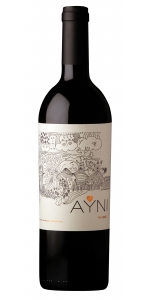
Ayni Malbec Paraje Altamira is made from 100 percent Malbec.
Ayni is the Quechua term for the principle of reciprocity, practiced for centuries by the Andean people - "in order to receive, you first have to give." Chakana's renowned Paraje Altamira vineyard, which sits 3,300 feet above sea level, bears the name Ayni & is the source of the Ayni wines.
Deep ruby-red in color with violet hints. Complex and intense bouquet, featuring blackberries, cherries and plums, with delicate floral notes and spices. Balanced and fresh; full-bodied with good length of spices.
Pairs well with grilled meats and stews.
Review:
"Chakana is an organic and biodynamic producer in Mendoza, that harvests from a vineyard in Paraje Altamira to produce this terroir-focused, minimal intervention Malbec. Aged in a mixture of casks and barrels for 12 months, this is a pure, energetic red in which fresh red fruit aromas combine with spice, herbs and mineral notes. In the mouth, it’s fluid with lively acidity and firm, chalky tannins. A potent, long-lasting wine. Drinking Window: 2023 - 2030"
- Decanter Magazine, 94 pts
Maipe Malbec 2015 is made from 100 percent Malbec.
This Malbec has a deep purple color with violet tints, complex plum, fig, strawberry, spices and floral aromas; rounded and velvety tannins, excellent length with a distinguished character.
Excellent when paired with game, roasted red meats, pasta or pizza.
The Chakana Estate
Looking for Chakana's other labels?
Click below:
Malbec, Bonarda Argentina, Cabernet Sauvignon
Elegant and mature wines with 12 months of oak aging, produced
only with grapes grown in our own estates.
Ayni is our icon wine. It is the result of our permanent quest
for the best Malbec terroirs that Mendoza can offer. This wine
comes from the gravely limestone soils of Altamira: powerful
but fresh and lively, this 100% Malbec has been aged in
French oak barrels for 18 months. It is presented in 6-bottle
wooden cases.
Chakana Estate Selection is a line of wines which represent the
best terroirs of each of our estates. Aged in French oak barrels
for 12 months these wines give pre-eminence to the expression
of terroir rather than oak. In every wine we try to craft a drinkable
and seductive style through the careful management of our
soils and grapes and in accordance with our consumers’ taste.
Chakana winery was founded by Juan Pelizzatti on May 2nd, 2002. Juan was driven to enter the wine industry first and foremost by his passion for wine, and also by the desire to invest his time and money on a product of agriculture. Although Juan did not know it at the time, the company was founded on the same day the Chakana was celebrated on the Andes highlands: on that same day, the Southern Cross (the Chakana for the Inca people) becomes vertical in the night Andean sky.
Juan's mission is to create an integral experience to introduce world consumers to the taste and culture of the Andes. His vision is to become one of the top 20 exporters of wine from Argentina, by consistently offering outstanding value for money.
"An incredible discovery for me, this winery was founded a decade ago and named after the Southern Cross ("Chakana" is the local Indian dialect for that constellation). It is located approximately 20 miles south of Mendoza in Agrelo. All three of these wines are highly recommended, and all are fabulous bargains in Malbec." - Robert Parker's Wine Advocate (June 2012)
Wine is currently produced in four different levels at Chakana, by winemaker Gabriel Bloise:
Entry Level: Maipe
Reserve Level: Maipe Reserve, Cueva de las Manos, Nuna
Estate Selection
Ayni
The Chakana Estate Vineyards
Our grapes are grown in our own estates located in diverse premium micro-regions of Mendoza.
Each of them contributes its character to the final blend of our top quality wines.
Our wines are made in a state-of-the-art 2 million liter facility located in our Agrelo estate.
The Three Chakana Vineyard Areas:
FINCA AGRELO
LOCATION: AGRELO, Lujan de Cuyo, Mendoza
Description: 120 ha. planted with different varieties between 2002 and 2010. Mainly Malbec,
Bonarda, Cabernet Franc, Viognier and Syrah.
Altitude: 960 meters above sea level.
TERROIR: Varied. Deep clay to loam. Gravel in some areas. Dry and cool climate with important
amplitude in temperature.
Wine Profile: Medium-bodied, elegant, fruity.
FINCA TERRADA
LOCATION: MAYOR DRUMMOND, Lujan de Cuyo, Mendoza.
Description: 21 ha. 100 year old Malbec.
Altitude: 919 metres above sea level.
TERROIR: Loam and clay with 70 cm deep gravel. Some limestone. Urban
influenced climate, relatively warm.
WINE PROFILE: Complex, ripe fruit.
FINCAS ALTAMIRA
LOCATION: ALTAMIRA, Valle de Uco, Mendoza
Altamira I |16 ha. Malbec. Altitude: 1,068 meters above sea level.
Altamira II |26 ha. Malbec, Pinot Noir, Chardonnay, planted in 2006. Altitude: 1,097 meters above sea
level.
TERROIR: Sandy-loam with gravel at 50 cm depth. Dominated by limestone. Temperate climate.
WINE PROFILE: Full-bodied and mineral.
They also source wines from contract suppliers in Ugarteche and Medrano, for entry level wines, and in Vista Flores, for Estate Selection & Ayni levels.
The Wine Making Team:
WINEMAKING CONSULTANT: ALBERTO ANTONINI. Alberto is an Italian winemaker with a pioneering role in
the discovery and development of high quality Malbec. Alberto has brought to us his profound knowledge of
the wine industry, his uncompromising commitment to authenticity and the belief that Argentina will become
one of the leading winegrowing regions of the world.
VITICULTURE CONSULTANT: ALAN YORK. Alan is one of the world’s leading consultants on biodynamic
viticulture. He is also a permanent source of inspiration and insight into the relationship between man, spirit
and nature.
WINEMAKER: GABRIEL BLOISE. Gabriel is one of the stars of the younger generation of Mendoza’s winemakers.
30 years old, he has already made 15 vintages in top estates in some of the most important winegrowing
areas in the world: Tuscany, Priorat, Australia, California, North Carolina, Salta and Mendoza. He is a tireless
explorer of the relationship between nature and its effect on the aromas in wine.
TERROIR CONSULTANT: PEDRO PARRA. Pedro's expertise helps us to understand how to identify and
manage the soil in each plot of our vineyards. His palate is fine-tuned to understanding the impact of soil
structure on the taste of wine. This has made him one of the 50 most influential people in wine according to
Decanter Magazine.
Rebuli Prosecco is a noble wine with a bright straw color, made from a selection of Prosecco grapes, which highlights the flavors and perfumes of the area. It is ideal for important occasions and as an aperitif. It is also excellent with risotto and noble meat.
"Pretty silvery straw color. Orange, juicy lemon, peach aromas with a crisp, lightly effervescent, fruity-yet-dry medium body and a long, tangy mineral, starfruit and spice accented finish. Exceptional flavorful, balanced and stylish. A perfect aperitif."
World Wine Championship Award: GOLD MEDAL
Beverage Testing Institute - May 9th 2011 - 91 points (Exceptional)
"Toasty, which makes this a little more champagnelike and perhaps more familiar to consumers. Nice balance; quite refreshing."
- Washington Post (Dec 08) - VERY GOOD
"This wine is so much fun that it seems vaguely illegal. Lightly floral in aroma, it shows fresh but restrained fruit flavors. The effervescence is abundant but soft, yet the wine remains structural and refreshing thanks to crisp acidity. Clearly the top pop for parties." - Washington Post (2006)
"Very pale straw. Very fine mousse. Nice elegant bead. Aromas of fresh bread dough, pear, touch of marzipan. Light attack. Semi-dry. Licorice note on palate. Soft, light. Simple, light pear flavors."
- International Wine Review (Dec 08)
This large Spumante estate with just over 100 acres of vines produces high-quality Prosecco. The non-vintage Rebuli Prosecco di Valdobbiadene Extra Dry is light-bodied and flowery with plenty of white peach, orange and pineapple notes in its exotic aromatics and flavors. It is off-dry, but most consumers would consider it to be a dry sparkling wine. Drink it over the next 12-18 months.-Robert Parker 90 Points
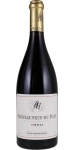
The aging is as Mounir ages his Burgundies: extremely long, never racked, no fining, no filtration. It would be easy to say that we expected the experience running one of Burgundy’s leading producers, Lucien Le Moine, would show in Mounir’s wines. But the actual results need to be tasted to be believed and understood: a wine with beguiling fruit and savory richness, yet extraordinary finesse and detail.
Mounir Saouma likes to describe Châteauneuf-du-Pape as a mosaic, with all the wild traditions and differences together making for very different interpretations. Omnia, Latin for “all,” is his attempt to encompass the entire region’s terroir and winemaking history (and perhaps future) in one glass. The fruit comes from 9 vineyard parcels across all 5 of the Châteauneuf communes, Châteauneuf-du-Pape, Courthezon, Sorgues, Bedarrides and Orange (in early vintages, when the Saoumas did not have all the vineyards they have today, they would purchase fruit; today, Rotem & Mounir Saouma is 100% Estate). The wine is then vinified and aged in foudres, cement and 500 liter barrels – a little bit of everything.
2019 was another warm and dry vintage in the southern Rhône, marked by insistent drought and repeated heat waves during the season. With little disease pressure or frost, the crop was close to normal size, but bunch and berry-size was reduced during the growing season by the lack of water. The grapes were thus concentrated and rich in sugar and acidity, although potential alcohol levels were often quite high. Vineyards at higher elevations – Châteauneuf du Pape and Gigondas in particular — handled the heat better, and the wines from those AOPs are rich yet also remarkably fresh and energetic. Despite the initial concerns about the growing season, 2019 looks to be a watershed vintage in the Southern Rhône, producing rich wines with exceptional concentration and aging potential
Inviting aromas of sliced strawberries, red cherries and rose. Full-bodied with vibrant acidity and succulent fruit. Fine, structured tannins are vertically aligned with the fruit. More dark-fruited than the nose lets on and entirely delicious. I love the subtle spice here.
-James Suckling 94 Points
Very refined, with silky and fine-grained structure carrying alluring bergamot, rooibos tea, incense, dried cherry and lightly mulled raspberry notes along. A long sanguine thread weaves through the finish. Hard to resist now with so much charm, but this will benefit from cellaring. Grenache, Syrah and Mourvèdre.
-Wine Spectator 94 Points
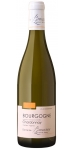
Boussey Bourgogne Blanc Cote d'Or Vieilles Vignes is made from 100 percent Chardonnay.
The grapes for Bourgogne Blanc Chardonnay Vieilles Vignes are grown on a parcel located within the city of Meursault.
The wine displays a refreshing nose of lime, citrus fruits, flint, honey and a touch of dried fruit. The palate is full of flavors, with honeysuckle, citrus and some salinity with an excellent balance between acidity and roundness.
Pair with cheese, seafood, nems, Spanish tapas and apple tart.



