
" We don't sell the wine without touching the vine "
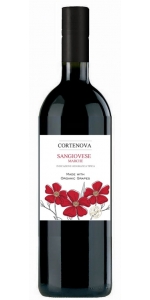
Cortenova Sangiovese Marche Organic is made from 100 percent 100% Sangiovese
Vineyards are located in the area of Ascoli Piceno, where the soil is calcareous and stony which is excellent for drainage. The moderating breezes from the sea which is 15 km from the estate allow for perfect ripening.
Color: Brilliant, dark ruby red with violet reflections
Bouquet: Vinous bouquet with a blend of black cherries, floral and spice
Taste: Full-bodied and velvety with great ripe fruit extraction and balance. Layers of flavor Lingering in the finish.
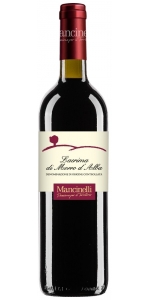
Mancinelli Lacrima di Morro d'Alba is 100% Lacrima di Morro d’Alba
Lacrima di Morro d’Alba takes its name from an unusual grape which was named for the town around which it is grown. Morro comes from “Mur” or “Muro” (wall) and not “Moro” (Moor) or black. The name Alba refers not to the town in Alba in Piedmont but to “Altura” which means “rise or high ground” . Il Muro in Alto or the wall on high which was how this walled Medieval walled Borgo (town) was referred to in Medieval times.
Deep dark ruby red with violet reflections. Intense bouquet full of roses, violets and red berries. Vinous and dry with soft fruit and a velvety body.
Pairs with salami, grilled and roasted meats, mushroom dishes, lasagne, gorgonzola and sharp cheeses.
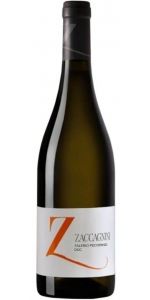
Zaccagnini Falerio Pecorino DOC 2024 is an italian white wine made from 100% Pecorino.
Straw yellow color, with golden to greenish reflections.
On the nose this wine is complex and intense, with floral, herbaceous and fruity notes.
Pairs well with any seafood, white meat and vegetables or soft cheese.
Zaccagnini Verdicchio dei Castelli di Jesi 100% Verdicchio.
Verdicchio is an historic wine that has been made since the 1400’s. There is an ancient bond between the Verdicchio vine and the region of Le Marche, a seaside province on the Adriatic sea, which stems from a cherished relationship with the Benedictine, and later the Camaldolese, Monks. The monks helped spread Verdicchio vines – which had been present for centuries – as well as viticultural-oenological techniques throughout the Marche region. The efforts of the monks, along with improvements in the quality of the vines & vinification methods, have allowed Verdicchio to thrive for centuries. At one time, Verdicchio measured 65,000 hectares (158,080 acres) of grapes throughout Italy.
Verdicchio means “little green one”, in reference to the grape and the color of the resulting wine. The Verdicchio grape – which also goes by Giallo and Turbiana (Lake Garda) – is grown across Italy, and it is closely related to Trebbiano and Greco. The grape is subject to mutations.
The wine is refreshing, exhibiting lemon citrus flavors, aromas of flowers and apples, with herbaceous qualities.
Zaccagnini Verdicchio dei Castelli di Jesi 100% Verdicchio.
Verdicchio is an historic wine that has been made since the 1400’s. There is an ancient bond between the Verdicchio vine and the region of Le Marche, a seaside province on the Adriatic sea, which stems from a cherished relationship with the Benedictine, and later the Camaldolese, Monks. The monks helped spread Verdicchio vines – which had been present for centuries – as well as viticultural-oenological techniques throughout the Marche region. The efforts of the monks, along with improvements in the quality of the vines & vinification methods, have allowed Verdicchio to thrive for centuries. At one time, Verdicchio measured 65,000 hectares (158,080 acres) of grapes throughout Italy.
Verdicchio means “little green one”, in reference to the grape and the color of the resulting wine. The Verdicchio grape – which also goes by Giallo and Turbiana (Lake Garda) – is grown across Italy, and it is closely related to Trebbiano and Greco. The grape is subject to mutations.
The wine is refreshing, exhibiting lemon citrus flavors, aromas of flowers and apples, with herbaceous qualities.
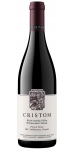
A fresh, wild, and savory expression with vibrant acidity and an elegant structure. Earth-laced fruit aromas of blackberry bramble, dark cherry, and huckleberry seamlessly intertwine with savory hints of curry leaves and lobster mushrooms, accented by subtle notes of dried orange peel and baking spices. Earthy and floral elements—forest floor, conifer needles, and rose hips—carry through to the palate, beautifully integrated with effusive raspberry and cherry notes, leading to a long, spicy finish.
This impressive Pinot is polished and detailed, offering dynamic flavors of raspberry and blueberry, with mineral and brown baking spice hints that build richness toward fine-grained tannins.
#11 Wine Spectator Top 100 of 2025
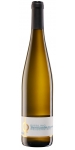
Bastgen Berncastel-Cueser Weisenstein Riesling Spatlese Trocken is made from 100 percent Riesling.
Bright, clean, fresh and zesty. Grapefruit like flavors. Fruity aromas and a nice minerality, typical of the Riesling grape grown on blue slate soil. Round, rich and a very long finish. The grapes for this wine are vigorously selected. Botrytis is not tolerated. At harvest the grapes are fully ripened, have a golden color, and a soft tartness. After a long spontaneous fermentation in a traditional 1000L barrel, the wine just reaches the dry stage. This gives the wine a creamy structure that interplays with ripe yellow and exotic fruit aromas.
They meticulously tend 4.5 ha (11.11 acres) of which 80% is Riesling. The soil is made of slate. Their vineyards are located in Kesten and Brauneberg, on a steep terrace, and planted to 50-year old vines. Fortunately for Bastgen, they own part of the famous Brauneberger Juffer Sonnenuhr. The vines produce very small, ripe berries that are very tasty.



