
" We don't sell the wine without touching the vine "

| Country: | France |
| Region: | Burgundy |
| Winery: | Maurice Ecard |
| Grape Type: | Pinot Noir |
| Organic: | Yes |
| Vintage: | 2011 |
| Bottle Size: | 750 ml |
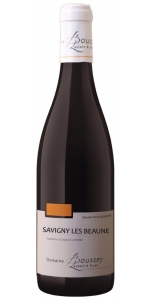
Boussey Savigny les Beaune is made from 100 percent Pinot Noir.
The grapes for this wine arecoming from 3 different parcels of Savigny les Beaune loctaed in these 3 different lieux-dits: Les Saucours, les Petits Liards and Les Fourches.
The wine shows aromas of Red fruits with floral notes. It is elegant with a very pleasant long finish.
Boussey Savigny les Beaune is made from 100 percent Pinot Noir.
The grapes for this wine arecoming from 3 different parcels of Savigny les Beaune loctaed in these 3 different lieux-dits: Les Saucours, les Petits Liards and Les Fourches.
The wine shows aromas of Red fruits with floral notes. It is elegant with a very pleasant long finish.
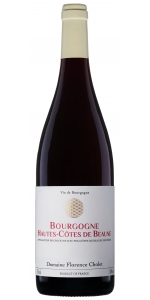
Florence Cholet Hautes Cotes de Beaune Rouge is 100% Pinot Noir.
The nose expresses small red and black fruits, blackcurrant, cherry, raspberry and violet. The mouth provides a rich, supple and elegant wine with a good structure.
Pairs well with Pork, Filet Mignon, Pike Perch, Tomme de Morvan Cheese
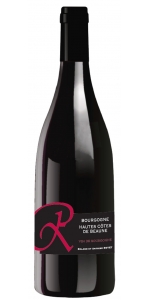
Royet Bourgogne Rouge Hautes Cotes de Beaune is made from 100 percent Pinot Noir.
Deep ruby color - notes of red berries and licorice - intense, structured palate with ripe fruit and a spicy finish.
Red meats grilled a la plancha, roast leg of wild boar, duck breast with pepper sauce
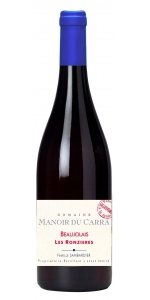
Carra Beaujolais Rouge Les Ronzieres is made from 100% Gamay.
From granitic and sandy soils, this Beaujolais Rouge exhibits a nice color, with hints of cherry and garnet, and reveals aromas of red fruit dominated by cassis and strawberry. This cuvée was specially made to enjoy young with an easy drinking mouthfeel perfect for charcuterie and cheeses.
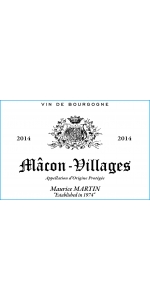
Maurice Martin Macon-Villages is made from 100 percent Chardonnay.
White gold color with silver or greenish reflections , shiny and soft. Aromas suggest broom, acacia, green apple, lemongrass, citruses. A fresh, dry and fruity, nervous with a good balance.
The grapes for this wine is coming from 3 famous part of the Maconnais' region: Chaintré, Pierreclos and Ozenay.
The wine went through malolactic fermentation. It has been gently filtered before bottling.
Very easy to associate with his very complete balance : grilled fish, creamy risottos, antipasti, salads, sushis, very pleasant at the aperitif.
Maurice Ecard Savigny Beaune Rouge 2011 is 100 persent Pinot Noir. Deep cherry colour with garnet highlights. Bouquet of small red and black fruits (blackcurrant, cherry, raspberry) and flowers (violet). The body is ample and discreetly tannic and the fruit remains present. Roundness, volume, power and balance are all here, and in just the right proportions.
about 4.5 Hectares of vineyards, 40 years old vines (on average), yields 35-40 HL/ha ; roughly 20,000 bottles produced every year.
The Maurice Ecard Estate
The Domaine dates back to before 1789 and produces some of the best Premiers Crus in Savigny. Owner Maurice Ecard, who is now retired, was considered by many experts to be the father of the appellation.
His wines are now produced by Vincent Sauvestere. Vincent's paternal family has been firmly established in Meursault since the 18th Century. His father and grandfather were both "Maitres de Chais" for one of the most prestigious Wine Houses in the heart of Meursault. Vincent's father, Roger, created his own company in the early fifties with the acquisition of a Wine Merchant founded in 1891. He also had his own vines, inherited from his mother. In 1988, Roger handed over the running of the company to Vincent. When Vincent, born in Nuits Saint Georges in 1961, took control of the Domaine, it consisted of only 6 hectares (14.81 acres) of vines. Today the Domaine covers 40 hectares (98.77 acres) from Chablis to Meursault. In addition, Vincent has acquired other viticultural Domaines in Chablis, the Côte Chalonnaise and recently in the Rhone Valley.
The Domaine is proud to possess two Grand Cru wines, Corton Charlemagne & Corton Marechaudes, as well as twelve Premiers Cru wines. Through his family's traditional winemaking skills, passed down from generation to generation, and his years of oenological studies, Vincent now advocates:
- Expression of the unique terroir characteristics from each individual vineyard by using traditional winemaking methods.
- Well structured and easy drinking Burgundies :
- Pleasing to the eye
- Soft and supple flavors
- Lingering aftertaste with excellent ageing attributes.
Vincent's constant aim is quality and respect for all wines.
The Maurice Ecard Vineyard
Th domaine is cultivated through organic methods and produces wines that purely and distinctly reflect the terroir. The Premiers Crus include: "Narbantons", "Jarrons", "Serpentieres", "Peuillets" and "Les Clous". The yields are never over 35 hl/ha. The vines are pruned and, when fully mature, harvested by manual selection. Vinification involves 75 to 100% destemming, a classic fermentation, pigeage, racking of the gross lees, 15-18 months in oak (15% new from Damy).
Johann Michel Cornas Cuvee Jana is 100% Syrah.
Black raspberry aromas, licorice, sizzled bacon and smoke. Elegant and pure with depth and well-integrated tannins.
Jana is the name of Johann and Emmanuelle's daughter.
Manual harvest, selection of the grapes from the "Chaillot" parcel, full clusters, fermentation in tanks for 3 weeks, daily remontage and pigeage. Malolactic fermentation in oak barrels and aging on the lees for 12-18 months in barrels (new old barrels) The average age of the vines is 11 years. Yield: 25 hl/ha
Review:
"Dark purple. Highly perfumed, oak-spiced black and blue fruits, incense, vanilla and potpourri on the hugely perfumed nose, along with hints of licorice, smoked meat and mocha. Stains the palate with concentrated, spice-laced blueberry, cassis, cherry-vanilla and espresso flavors that turn sweeter as the wine opens up. Broad, polished tannins add shape to a strikingly long, smoke- and spice-driven finish that strongly echoes the floral and blue fruit notes. - Josh Raynolds"
- Antonio Galloni's Vinous (December 2022), 97 pts
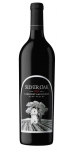
Silver Oak Cellars Napa Valley Cabernet Sauvignon is made from 81.6% Cabernet Sauvignon, 14.8% Merlot, 1.8% Petit Verdot, 1.4% Cabernet Franc, 0.4% Malbec.
Ruby in color, the 2020 Silver Oak Napa Valley Cabernet Sauvignon is a harmony of black and blue fruit notes that dance delicately on the palate. Plum and blueberry intertwine with whispers of baking spices, creating a tapestry of flavors that unfold in layers of complexity. On the palate, it is a study in elegance—smooth and effortlessly refined. Silky tannins provide structure without imposing, ensuring a seamless journey from the first sip to the last.
Review:
A super creamy, delicious and detailed red with oodles of red fruit, silky tannins and a full body. It tastes pure, fresh, almost delicate, offering raspberries, cherry cream, blueberries, cafe au lait and subtle oak toast on the palate. A gentle, layered, pretty wine that seems not at all affected by the wildfire smoke that year.
-James Suckling 95 Points



