
" We don't sell the wine without touching the vine "
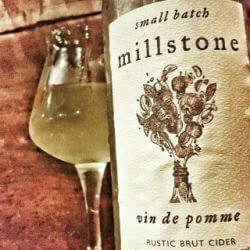
| Country: | United States |
| Region: | Maryland |
| Winery: | Millstone Cider |
| Grape Type: | Fruit Blend |
| Organic: | Yes |
| Vintage: | NV |
| Bottle Size: | 750 ml |
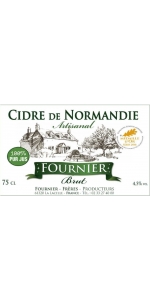
The Fournier Family cider story started in 1943. Located in South Normandy in the middle of Dukes of Alençon province, the landscape is offering a mix between green valley and strong hills. Apples and pear trees are growing up on the hills. It is in this typical and original environment that Fournier Cider is cultivating their orchard. The fruit variety selected is giving character, authenticity and quality. The Cidre Fournier Spirit is having under control quality in their growth over: love of the land, the orchards, qualitative fruits and product well made.
perfect with savory dishes like meat and buckwheat pancake. It can be mixed with fruit liquor for cocktail.
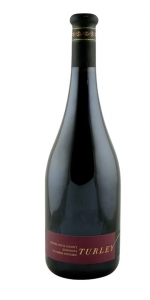
After working with the fruit for over a decade, Turkey is proud to present the first single-vineyard bottling for Turley from the Del Barba Vineyard. Contra Costa is a delta where the San Joaquin and Sacramento rivers meet, and these head-trained vines are planted in deep dehli blow sand, made up of decomposed granite coming down from the Sierra Mountains. The resulting wine embodies the best the delta has to offer: silken textures, ultra fine tannin, and dark saline fruits.
Review:
"The 2023 Zinfandel del Barba is ripe, boisterous and super-expressive. Floral overtones and bright acids run through a core of red/purplish fruit. Sandy soils confer lovely aromatic presence to this pure Zinfandel. This is an especially accessible offering from Turley."
-Vinous 91-93 Points
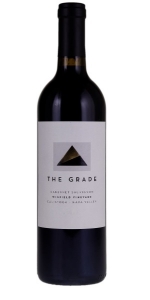
The Grade Napa Cabernet Sauvignon Winfield Vineyard is made from Napa Valley Cabernet Sauvignon.
“This wine expresses a focused balancing act of dark, rich black fruit, and a fine tannin structure, illuminated through the core with a laser-like acidity. The wine displays a deep purple-red hue with a cranberry halo. Aromas of cassis, cinnamon, citrus oil, roasted meat, and lilac swell from the glass.
“The palate is marked by a wave of jet-black brambly fruit up front, followed by an exotic spice mid-palate and a long, complex finish that lasts and lasts expressing notes of flowering jasmine, and oolong tea. The silky tannins hold everything together and will certainly allow this wine to evolve in the cellar for at least 7-10 years.” - Thomas River Brown
Review:
The 2018 Cabernet Sauvignon Winfield Vineyard is an absolutely gorgeous wine that conveys a striking interplay of richness, power and nuance. Silky and restrained for this site, the Winfield offers up a compelling melange of red fruit, iron, cedar, tobacco, rose petal and dried herbs, all in a mid-weight style that is incredibly appealing. The Winfield is a selection taken from Blocks 1, 4 and 5.
-Vinous 94 Points
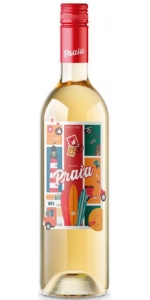
Praia Aveleda Vinho Verde NV is made from 40% Loureiro, 20% Trajadura, 20% Arinto, 20% Azal.
Praia, which means "beach" in Portuguese, is a smooth and fresh wine with delicate and lovely fruity flavors. Slightly spritzy, it is well balanced and very refreshing.
The region is typical for its unique wines that are fresh and light, combined with a very well balanced acidity. These characteristics result from the region's unique soil and climate, with a strong Atlantic influence that you will identify when you taste it.
The wine is ideal as an aperitif or throughout a meal, especially with fish, seafood, white meat and salads. Due to it freshness, it is particularly pleasant in a relaxed and informal ambiance.
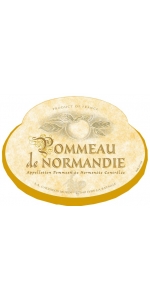
Pommeau de Normandie a mistel type of beverage. Same process as Floc de Gascogne, Pineau des Charentes and Ratafia de Champagne.
It is made with 2/3 Unfermented sweet fruit juice (apple and pear) with 1/3 distilled alcohol at 51% ABV (Calvados).
Excellent with desert, such as French crepes (very thin pancakes).
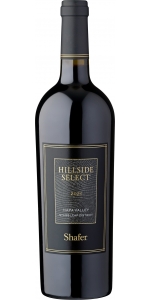
The 2021 Shafer Hillside Select is crafted exclusively from grapes grown on Shafer's rugged hillside vineyards, where steep, rocky soils push the vines to produce low yields of intensely concentrated fruit. The unique terroir, combined with Napa Valley's hallmark climate of warm, sunny days and cool nights, contributed to a vintage with exceptional structure, lush tannins, and deep, vibrant color. The 2021 growing season exemplified these conditions, allowing the grapes to mature beautifully by early September, resulting in a wine with refined, pure aromas and flavors that reflect the richness and elegance of the vineyard.
“Such a beautifully balanced wine with tremendous staying power and expressive Stags Leap ironstone minerality with heady sagebrush and conifer notes with white pepper and walnut husk. The wine has an impressive depth of red-toned fruit on the mid-palate framed by tannins that practically dance across the palate, exuding length, tension, and power. Huckleberry and black cherry fruits, black truffle, dried violets, graphite, and salted dark chocolate are all framed by racy acidity, which keeps everything fresh and lifted. The 2021 releases mark Elias Fernandez's 38th vintage as Shafer's winemaker. He was hired by John Shafer in 1984, two weeks out of UC Davis.”
-Decanter, 99 Points
“The 2021 Cabernet Sauvignon Hillside Select was tasted as a barrel sample. Deep garnet-purple in color, it charges out with powerful notes of creme de cassis, plum preserves, and juicy blueberries giving way to an undercurrent of tar, candied violets, and star anise. The full-bodied palate is concentrated and impactful, delivering a firm, grainy texture and well-knit freshness to support the generous black and blue fruits, finishing long with loads of mineral and exotic spices sparks. This is impressive!”
-The Wine Independent, 98-100 Points
“As always, the 2021 Cabernet Sauvignon Hillside Select is 100% Cabernet Sauvignon that will spend 28 months in new barrels. Its deep purple hue gives way to a behemoth of a wine that has incredible cassis, black raspberry, and even blue fruits to go with loads of camphor, minty herbs, graphite, and darker chocolate. It's full-bodied, concentrated, yet pure, flawlessly balanced, and has a great finish.”
-Jeb Dunnuck, 97-99 Points
A selection of our more aromatic and vinous cider apples produced Sur Lie (aged on the lees), method Battonage (stirring the lees), fermented and aged in oak casks. Bottle conditioned with a secondary fermentation using champagne wine yeast.
ABV: 8.0%
Millstone Cider:Date Founded: 2011Owner: Curt Sherrer and Kyle SherrerWinery Philosophy: Driven by our ethos of melding old world methods with new world ideas. Producing rustic libations without pasteurization, sulfites, and filtration for a more expressive natural cider true to its native upbringing.Millstone was founded out of an old 18th Century Grist Mill that was lovingly renovated over 10 years.
The Father went to UC Davis and got a degree in Viticulture and Winemaking. He worked in wineries in Maryland and Virginia during the 80's and 90's. After he worked at the patent office for alcoholic beverage patents.
The Son went to school for finance and runs the business and apprenticed under Curt.

All older vintage wines have been purchased from a single collectors cellar. Pictures can be requested before shipment.
Fragrant aromas of yellow peach and ripe melon are found on the nose, interspersed with bright citrus notes. These continue on the palate with notes of creamy vanilla and buttery nuances on the long finish. Rombauer's signature bright acidity is evident throughout each sip, balancing the softness of the midpalate.
Pairings for this wine include crab cakes, barley risotto, and strawberry shortcake.



