
" We don't sell the wine without touching the vine "
Proprietress Silvia Imparato indulged in wine as a hobby until she decided to rebuild her family’s vineyards in Montevetrano, in the oft-underestimated region of Campania. She employed the skills of highly regarded winemaker Riccardo Cotarella and they have created an outstanding icon wine they decided to name Montevetrano.
Location of Vineyard
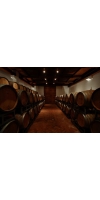
Montevetrano is a small zone in the hills near the commune of San Cipriano Picentino, not far from Salerno. Mountains surround the property, with the vineyards situated on gentle slopes facing south by southwest. The heart of the estate is a beautiful, ancient villa. In the first years of production the basement of the villa also served as the cellar. Now the wine is made and stored in a new modern cellar, built in 2000. Silvia and her friends use the old cellar for private vintages. Within a very short period of time her work with Cotarella has produced an absolute jewel in this location.
Winemaking Philosophy
Between the end of September and the start of October, Montevetrano first harvests the Merlot grape, followed by the Cabernet Sauvignon and finally the Aglianico. Fermentation initially occurs in steel vats for about 15 days, after which the wine is transferred to new barrels for 10-12 months. The process is traditional but also strictly controlled, guaranteeing proper refinement and a balanced maturation. The process also ensures the grapes retain the regional features typical of Montevetrano. Cotarella is particularly proud of this wine, being the very first icon wine he has made; he considers it the father of his reds.
No products found

All older vintage wines have been purchased from a single collectors cellar. Pictures can be requested before shipment.
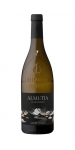
Xavier Vignon Almutia Clair-Obscur Châteauneuf-du-Pape Blanc is 40% Grenache Noir, 25% Mouvedre, 10% Roussane, 10% Grenache gris, 10% Grenache blanc & 5% Syrah.
Worn in the Middle Ages, an Aumuce was a purple cap that served as a cloak for clergymen as a way of concealing their whiteness, just as the black skin of the grape conceals its white juices. In Latin, this cape is called en Almutia. A blend of black and white grape varieties.
Almutia is the definition of vivacity, liveliness, expressed through the pulp of mainly black grape varieties. The multi-vintage approach has been choosen to bring complexity to the wine.
Pale yellow and translucent with tangy notes of apple and pear on the nose. The palate is lively and ample, revealing aromas of citrus and honeysuckle.
The grapes were harvested early, in mid-August, i.e. one month before the harvest intended for the production of red wines.
The grapes are then destemmed and crushed, then placed in vats for draining followed by settling for severals days to sediment the pigments.
Fermentation in stainless steel tanks
No ageing in wood and no stirring of the lees to maintain the perfect level of acidity.
Pairs best with scallop or lobter risotto, soft cheeses & truffle.



