
" We don't sell the wine without touching the vine "
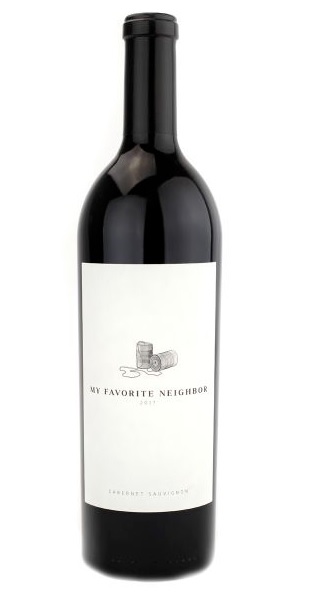
| Country: | United States |
| Regions: | California California (Paso Robles) |
| Winery: | Booker |
| Grape Type: | Cabernet Sauvignon |
| Vintage: | 2020 |
| Bottle Size: | 750 ml |
My Favorite Neighbor Cabernet Sauvignon is made from 79% Cabernet Sauvignon, 8% Malbec, 6% Syrah, 4% Petite Sirah, 3% Petit Verdot.
A homage to Stephan Asseo of L’Aventure Winery became an obsession. Sourced from exceptional vineyard sites around Paso Robles, San Luis Obispo and south to Edna Valley, this wine is cultivated meticulously by the farmers who have become My Favorite Neighbors. With their dedication to the land, we are able to craft a world class wine without any shortcuts or compromises. Welcome to our Neighborhood.
The 2022 My Favorite Neighbor is everything you’ve come to expect from our flagship Cabernet Sauvignon, sourced from our favorite Paso Robles growers who lend their neighborly spirit to the wine. Effusive aromas of raspberry and currant reveal notes of blue fruit and purple flower. On the palate, juicy red fruits are interwoven with hints of black cherry, cinnamon and toasted oak. Structured tannins carry into a long, chewy finish. Whether it’s a casual backyard barbecue or a fine celebratory meal, this versatile wine has you covered for summer and beyond.
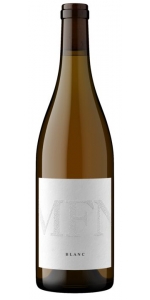
A deep and rich hue of golden straw gives the first clue that this is a serious Chardonnay. Aromas of pear, green apple, and lime peel jump out of the glass followed by more nuanced fragrances of orange blossom, ginger root, and brioche. The sensation on the palate casually demonstrates both broad depth and laser like focus. An assertive core of acid and saline minerality rests completely ensconced in rich flavors of pie crust, clotted cream, and burnt caramel. Drink now for fresh vibrance, or in ten years for wild complexity. This wine is a perfect white to be enjoyed year-round.
Review:
The 2021 MFN Blanc Chardonnay is very ripe in style with scents of banana chip, apple pie, jasmine, allspice and brown sugar. The full-bodied palate is packed with ripe, spicy fruits and plenty of refreshing acidity, and it finishes long with a satiny, mouth-coating texture. It's an old-school style reminiscent of Napa that fans of ripe, oaked Chardonnays will enjoy.
-Robert Parker 97 Points
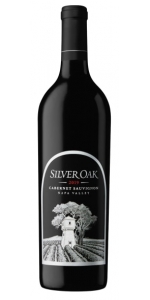
Silver Oak Cellars Napa Valley Cabernet Sauvignon is made from 81.6% Cabernet Sauvignon, 14.8% Merlot, 1.8% Petit Verdot, 1.4% Cabernet Franc, 0.4% Malbec.
Ruby in color, the 2020 Silver Oak Napa Valley Cabernet Sauvignon is a harmony of black and blue fruit notes that dance delicately on the palate. Plum and blueberry intertwine with whispers of baking spices, creating a tapestry of flavors that unfold in layers of complexity. On the palate, it is a study in elegance—smooth and effortlessly refined. Silky tannins provide structure without imposing, ensuring a seamless journey from the first sip to the last.
Review:
A super creamy, delicious and detailed red with oodles of red fruit, silky tannins and a full body. It tastes pure, fresh, almost delicate, offering raspberries, cherry cream, blueberries, cafe au lait and subtle oak toast on the palate. A gentle, layered, pretty wine that seems not at all affected by the wildfire smoke that year.
-James Suckling 95 Points
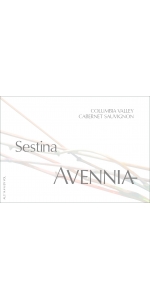
Avennia Sestina Red Blend is made from 77% Cabernet Sauvignon, 17% Merlot, 6% Cabernet Franc.
The Sestina is a poetic form from Medieval France. Just as a contemporary poet can use an old form like the Sestina to express modern ideas, we use the traditional Bordeaux blend to make modern wines that express Washington fruit. Sestina is our vision for an old vine blend where the focus is on structure, balance, and complexity. This wine is designed for the cellar, but is enjoyable now.
Sestina: This wine is a blockbuster, with black currant, black raspberry, saddle leather, freshly tilled earth, vanilla, and violet on the nose. Exceedingly rich and balanced on the palate, with great poise and structure for long aging. The finish echoes with fresh black fruits, minerally touches, and floral notes.
Review:
The 2020 Sestina showed beautifully, with lots of ripe black fruits, tobacco, and spring flower notes in a medium to full-bodied, fresh, focused, elegant style. It has fine tannins and a great finish and should drink nicely right out of the gate. The tannins here are terrific.
Jeb Dunnuck 94-96 Points
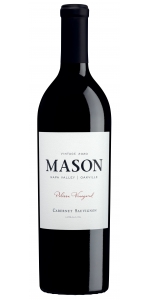
Mason Cellars Pelissa Vineyard Cabernet Sauvignon is made from 100 percent Cabernet Sauvignon.
The 2020 Mason Oakville Cabernet Sauvignon is quintessentially Oakville from nose to finish. Attractive fresh blackberry, red current and chocolate with a hint of sweet oak boast out of the glass. This wine showcases graphite, velvety tannins and concentrated, beautifully balanced flavors with a bit of spice and white pepper. These bold flavors typical of Oakville Cabernet are rounded out with velvety tannins, a weighty mid-palate and a long, juicy finish.
Production Notes:
The fruit was delicately hand-picked in the early morning hours and brought into the winery for processing. The grapes were crushed, about 60% whole berry, and cold soaked for three days before being inoculated for primary and malo-lactic fermentation. Once dry, the wine was put down to barrel for 20 months in medium toast French oak, 25% of which was new.
Vineyard Notes:
Grapes for our 2020 Mason Cabernet Sauvignon are sourced exclusively from the Pelissa Vineyard in Oakville. This vineyard spans 60 acres and is planted to Old BV Clone 7 Cabernet Sauvignon as well as Zinfandel. This vineyard is named for Andrew and Babe Pelissa, who after their marriage on August 30, 1930, made their home at the site of this vineyard which, at the time, was a dairy. Oakville is the core of Napa Valley’s famed Cabernet Sauvignon production, and this site is no exception with the flawless blending of climate and soil to create a remarkable wine.
Review:
“This firmly structured, well-balanced wine has the feel of a classic Bordeaux blend. Just-ripe red and black fruits blend with subtle toast, cedar and mint on a moderately tannic, slightly tangy texture. The wine is tasty enough to decant and drink soon with grilled lamb chops or roast chicken. Best from 2026–2036.” – Jim Gordon
-Wine Enthusiast 94 Points
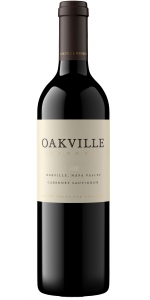
The 2020 Oakville Winery Cabernet Sauvignon exhibits aromas of cherry and raspberry with notes of fresh roses, vanilla, dust, and pencil shaving. The rhythmic structure between the granular tannings and the vibrant acidity allows the sensation of a long, refreshing finish. This Cabernet Sauvignon can be aged for a decade bringing all the earthy components of a classic Napa Cab.
A New York strip steak with butter, mushrooms, and herbs will melt when you pair it with this wine.
My Favorite Neighbor Cabernet Sauvignon is made from 77% Cabernet Sauvignon, 9% Petite Sirah, 8% Petit Verdot, 2% Malbec, 2% Cabernet Franc and 2% Syrah .
A homage to Stephan Asseo of L’Aventure Winery became an obsession. Sourced from exceptional vineyard sites around Paso Robles, San Luis Obispo and south to Edna Valley, this wine is cultivated meticulously by the farmers who have become My Favorite Neighbors. With their dedication to the land, we are able to craft a world class wine without any shortcuts or compromises. Welcome to our Neighborhood. 2020 abundant winter rain and a long, moderate growing season allowed for extended hang times and exceptional fruit quality.
The 2020 My Favorite Neighbor features a complex nose of red cherry, current and raspberry along with wild herbs, violets, and just a hint of toasted marshmallow. On the palate, generous flavors of black cherry, ripe plum, and fig compote is joined by notes of medium roast coffee and creme brulee. The extremely long and mineral finish is characterized by a hefty structure and luxurious, silky tannins.
Review:
Deep ruby-purple, the 2020 Cabernet Sauvignon has pretty tones of green bell pepper, dried herbs, thyme, lavender and cedar over a core of red and black currant. The full-bodied palate is ultra juicy and packed with alluringly herbal fruit, and it boasts integrated oak, a soft, approachable frame and a long, perfumed finish.
-Wine Advocate 95 Points
The name Booker comes from the two orphan brothers, Claude and Dick Booker, who had purchased the land in the late 1920’s. By the turn of the century the Booker brothers had acquired over 1,200 acres on Paso's Westside. The Booker brothers were Paso's favorite sons, dedicating their lives to being great farmers and humanitarians. Aside from lending their farming knowledge and manual labor to neighbors and those in need, they were the area's biggest philanthropists, leaving 100% of their estate to charity when they passed, Dick in 1990 and Claude in 2000.Eric and Lisa Jensen purchased 100 acres of the property in 2001 with the intent of growing the best fruit for some of the best wineries in the area. After making wine with Justin Smith (of Saxum) for five years and Stephan Asseo (of L'Aventure Wines) for two years the Jensens decided it was time to create their own expression with Booker Vineyard. The 2005 Vintage was Booker Vineyard's first release with the wines being made by owner Eric Jensen.
My Favorite Neighbor began as an homage to our original favorite neighbor, Stephan Asseo of L’Aventure, and has since grown to include a handful of others who surround us on Paso Robles’ west side. Stephan is a close friend and mentor to Eric. For the entire first year they were friends, each time Stephan called he would refer to himself as Eric’s “favorite neighbor”, as if there was any doubt about who would be calling with such a thick French accent! The title was a self-fulfilling prophecy and in 2006 Eric crafted Cabernet-based wine to honor his friend Stephan and his Bordeaux roots.
For many vintages, My Favorite Neighbor was made exclusively from our own estate grown fruit as a part of our Booker portfolio, limiting its production to extremely small quantities. Our team has a great passion for the wines we bottle and over time Eric’s desire grew to share them with wine-lovers everywhere. Our 2016 vintage of MFN was the first step towards that new goal. Today, My Favorite Neighbor is its own Cabernet-based brand producing a variety of wines. Some at a friendly price-point like Harvey and Harriet, an approachable blend named after Eric’s hard-working parents, and others still in limited production like our single vineyard designates offered to club members only.
A deep and rich hue of golden straw gives the first clue that this is a serious Chardonnay. Aromas of pear, green apple, and lime peel jump out of the glass followed by more nuanced fragrances of orange blossom, ginger root, and brioche. The sensation on the palate casually demonstrates both broad depth and laser like focus. An assertive core of acid and saline minerality rests completely ensconced in rich flavors of pie crust, clotted cream, and burnt caramel. Drink now for fresh vibrance, or in ten years for wild complexity. This wine is a perfect white to be enjoyed year-round.
Review:
The 2021 MFN Blanc Chardonnay is very ripe in style with scents of banana chip, apple pie, jasmine, allspice and brown sugar. The full-bodied palate is packed with ripe, spicy fruits and plenty of refreshing acidity, and it finishes long with a satiny, mouth-coating texture. It's an old-school style reminiscent of Napa that fans of ripe, oaked Chardonnays will enjoy.
-Robert Parker 97 Points
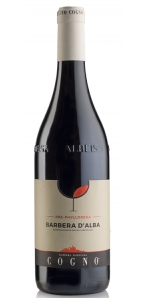
Elvio Cogno Pre-Phylloxera Barbera d'Alba is made from 100 percent Barbera.
Produced from one of the last archaic vines of the Langhe area, an open air museum of viticulture from a time gone by, the plants are over one hundred years old. The vines are not grafted but propagated through cuttings, thus maintaining, over the decades, the original Barbera characteristics.
The vineyard has an excellent exposure and sandy-chalky terrain, situated in Berri near La Morra, which guaranteed the vines a natural protection from Phylloxera and imparts unique and exclusive characteristics to the vines. The intriguing simplicity of the vines and their typical, traditional charm that derives from the microclimate and favorable altitude make a one of-a-kind wine.
The low production per hectare guarantees an intensely rare and rich organoleptic concentration. The wine is refined in oak casks that slowly develop the primary aromas. Pleasant and refined, complex even as a young wine but able to withstand bottle aging, it expresses its solid uniqueness even over the years.
A bright, rich ruby color with intense purplish highlights. The aroma is enveloping, aromatic and deep with noticeable spices on first impression and raspberry, strawberry and ripe cherry notes in background. Finish with pleasant harmonies of wild flowers. On the palate it is well structured, fresh and the acidity is excellently balanced, the tannins texture is embracing and flavors remind you of sour cherries, blackberries and prunes.
Review:
Planted in almost entirely sand, this own-rooted vineyard with some vines over 120 years old is a singular expression of Barbera. Elegant aromas of wild rose and fresh bay leaf mixed with cranberry, sour cherry and underbrush are just some of the notes you will discover in this complex wine. The palate is refined and well-balanced with fresh youthful red fruits, fresh flowers and fine tannins driving the wine home. Drink Now–2035.
-Wine Enthusiast 95 Points
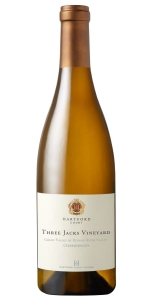
Hartford Court Three Jacks Chardonnay is made from 100 percent Chardonnay.
The Three Jacks Vineyard Chardonnay exhibits aromas of lemon curd, orange marmalade, and brioche, with juicy flavors of pear, candied citrus peel, chamomile, and a rich, mineral-driven texture. The wine is full-bodied, weighty, and rich yet remarkably agile on its feet because of firm underlying acidity.
The 2019 Chardonnay Three Jacks Vineyard, from vines planted in 1995, was barrel fermented and matured in 31% new French oak for 14 months. It's one of the best iterations I've tasted, combining expansive flavor and texture with precise, laser-like acidity. It offers delicate, pure scents of apricot, dried tarragon, white pepper and citrus blossoms with a stony undercurrent. The medium-bodied palate has dynamic energy from its oily texture and shimmery acidity, and it finishes with tense, mineral-driven flavors. It has much more to give as it unfurls in bottle and will be long lived in the cellar.
- Robert Parker's Wine Advocate 95 Points
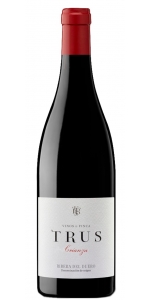
Trus Ribera del Duero Crianza is made from 100 percent Tempranillo.
Trus - an acronym for T-tierra (soil), R-roble (oak), U-uva (grape), S-sol (sun) - aims to reflect the uniqueness of each vintage, the aging potential of the wine in the bottle over the years.
Trus takes its roots in Palacios Vinos de Finca, the estate that was founded in 1999, then purchased by Javier Palacios who decided to focus on producing wines that express the purity and typicity of the Ribera terroirs.
The estate vineyards are located in Piñel de abajo, Pesquera de Duero, Quintanilla de Arriba. The winery also partners with winegrowers in Moradillo, Roa, Nava, Peñaranda or Baños de Valdearados. The clay-limestone soils of the high-altitude vineyards define the intense and complex personality of the wines. That is why Trus wines can be defined as classic, because an avant-garde look is the one that is directed towards the soil, preserving a typicity that is marked from its deepest roots.
Trus Crianza reveals a clean and bright cherry color with Burgundian tones at the rim. The nose is very intense and complex, offering ripe black fruits and liquorice aromas, toasty and vanilla nuances, spices and balsamic notes. The wine is tasty and unctuous on the palate, a perfect harmony between acidity and alcohol. Fresh and friendly mouthfeel, the ripe and soft tannins provide structure and great length. Long finish, ripe fruit aftertaste with a smoky and spicy finish.
Review:
"A plush and fabulous expression of variety and provenance with well-integrated alcohol, tannin and acidity. Will continue for several years and mellow. Be warned – one glass will be quickly followed by the next."
- Decanter World Wine Awards 2021, 96 points - GOLD MEDAL
Lovely salmon pink color. A very delicate nose of strawberry and redcurrant fruit with floral undertones. There is a silky richness on the palate full of red berries balanced with a subtle bready texture. Very accessible. Will also develop nicely over time.
Colmant Brut Rose NV is made from 75% Pinot Noir and 25% Chardonnay
This wine spends a minimum of 24 months on the lees at a consistent temperature of 14C before degorgement.15% of the base wine has been barrel fermented.
Pinot Noir 75%, Chardonnay 25% (Franschhoek, Robertson and Elgin).
15% of the blend is made of reserve wine from the previous vintages and 15% of the base wine is barrel fermented.
This wine spends a minimum of 24 months on the lees at a consistent temperature of 14°C before degorgement.
Perfect as a summer sundowner. A delicious complement to white meat, strawberry dessert and decadent dark chocolate.
Review:
"The Brut Rosé (disgorged March 2018) is a blend of 75% Pinot Noir and 25% Chardonnay with 15% base wine and 15% reserve wine, with the Pinot Noir macerated on its skins for color, matured on the lees for 24 months. Deep salmon in color, it has a fine mousse and attractive strawberry and cherry scents on the nose - no shy and retiring rosé here. The palate is well balanced with Braeburn apples, hints of strawberry and a touch of tart cherries fanning out toward the creamy-textured, satisfying finish. A sparkling rosé that’s proud to be pink!- Neal Martin"
- Vinous (August 28th 2018), 91 pts
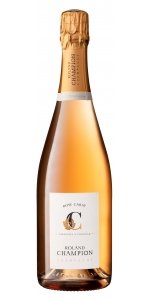
Roland Champion Champagne Brut Rose Grand Cru NV is the blend of 33% Chardonnay, 33% Pinot Meunier and 33% Pinot Noir.
The Champagne rose shows an orange salmon color coming from the red wine base. The pinot meunier brings red fruit aromas of strawberry and raspberry with hints of spices. The palate is juicy and harmonious with good depth and minerality. A delicate balance between Chardonnay, Pinot Meunier and Pinot Noir.
It is a blend of 93% White juice (made from 33% Chardonnay, 33% Pinot Meunier and 33% Pinot Noir) and 7% Pinot Noir red wine. The grapes used to produce the Coteaux Champenois red wine are coming from their vineyards near the Village of Verneuil.
-75x150.jpg "Roland Champion Champagne Non Vintage Brut Rose Carat NV(magnum)")
Roland Champion Champagne Non Vintage Brut Rose Carat (magnum) is made from 33% Chardonnay, 33% Pinot Meunier and 33% Pinot Noir
The Champagne rose shows an orange salmon color coming from the red wine base. The pinot meunier brings red fruit aromas of strawberry and raspberry with hints of spices. The palate is juicy and harmonious with good depth and minerality. A delicate balance between Chardonnay, Pinot Meunier and Pinot Noir.
It is a blend of 93% White juice (made from 33% Chardonnay, 33% Pinot Meunier and 33% Pinot Noir) and 7% Pinot Noir red wine. The grapes used to produce the Coteaux Champenois red wine are coming from their vineyards near the Village of Verneuil.
Review:
"Eye of the partridge color. With a bouquet that evokes leesy hints of red cherry and berry with a touch of stone fruit, this is a finely sculpted wine, beautifully balanced with rich flavors of cherry, shortbread,and a hint of honeyed apricot. A rosé Champagne that’s complex and dry with good palate depth and length. A blend of 20% Chardonnay, 40% Pinot Noir, and 40% Pinot Meunier; 7-85% of the juice is red wine (Pinot Noir) from 2013 vintage of Coteaux Champenois Rouge from the village of Verneuil. 3+ years on the lees." - I-WineReview (Champagne: Diversity and Change, January 2020), 92 pts
"A delicate, subtle Champagne, delivering aromatic notes of mulling spices and yeast that accent the flavors of kirsch, bread dough, candied lemon zest and rose petal. This is finely tuned, with lively acidity and a minerally finish. 330 cases made. –AN"
- Wine Spectator , 91 pts
"Bright orange. Aromas of blood orange, dried rose, allspice and minerals, with a subtle note of anise. Juicy and precise, with very good depth to its spicy red berry and citrus pith flavors. Finishes smooth and long, with excellent clarity and lingering spiciness."
- Stephen Tanzer's International Wine Cellar , 91 pts
"Champion is a small grower in Chouilly, in the Cotes des Blancs, an area known for fantastic chardonnay. This rosé — of which he makes only about 330 cases — includes 10 percent red wines (pinot noir, pinot meunier) to give it a pale, salmonlike color and a beguiling palate of cranberries, strawberries and currants. Wow. And yum."
- Washington Post, ***
Obsidian Vineyard Syrah is bathed in terroir. The vines experience severe stress, pushing the roots ever deeper through rock in search of water, producing miniature clusters of intense power. Given the wine’s natural propensity for tannin, we take extreme care in the cellar to chisel/whittle its rough edges and leave room for richness to flatter its distinctive scaffold. The mid-palate supports flavors of roasted coffee beans, sarsaparilla, and dark chocolate. The finish marches on long after most wines have tired.
Our estate vineyard — the six-acre Obsidian Vineyard in the Knights Valley AVA — has an incredibly complex soil structure. It takes its name from a layer of volcanic obsidian rock that was discovered when we drilled for water.
Chocolate ganache, black currants, fig, graphite, and an expansive mouthfeel.
Review:
"Joe Donelan believes his Obsidian Vineyard is one of the world’s greatest sites for Syrah. I’ve visited the site twice, and can say candidly it certainly sits among the most striking vineyards I've ever laid eyes on within the U.S. It sits like a rock on a promontory—two switchbacks to reach the top—and the stones under the top soil, quite literally, never stop emerging from the ground. The place has an ancient, almost sacred, temple-like feel. It is consistently swept by afternoon breezes. The vineyard was replanted in 2017 after fires ravaged it. Winemaker David Milner laid out the site at denser spacing than before, at 2,000 vines per acre to keep yields per vine low while still achieving sensible tonnage, averaging around three tonnes per acre. Viognier was planted for co-fermentations, alongside some Cabernet Sauvignon, for a single vineyard bottling of that grape. ‘God put on his viticultural hat when he designed this site,’ says Milner. The vineyard is planted with ENTA 174, 877, and Alban 1 clones, along with Donelan Heritage selections certified virus-free. The wine, the 2023 vintage release (the first from the new vines), was aged for 21 months in 36% new oak and co-fermented with 1.8% Viognier, using 32% whole clusters. And it is positively gorgeous: composed of nine different blocks, each fermented separately, then assembled through sequential blending, with no racking until bottling. From just five-year-old vines, this wine is utterly extraordinary—something oddly achievable from young vines on rare occasion. I tasted this wine from the same bottle over three days. While the high-toned espresso-bean and cedar accents are present at first pull of the cork, they mellow out a day later, and the fruit profile is so vibrant. This is the sign of an excellent wine. I first tasted wines from the Donelan’s Obsidian Vineyard years ago at Tasting Panel Magazine in the late, great Anthony Dias Blue’s office. Cushing Donelan showed the wines, and to this day, I recall the first moment I put my nose into a glass of Obsidian Syrah. In early January of 2026, as I nosed this brand new release of Obsidian Syrah, I was transported straight back to that tasting twelve years ago. What’s remarkable is that the aromatics are unmistakably the same, yet from these new, more densely planted vines, the aromas are more refined—precision-farmed wines from young vines delivering a level of detail and poise that feels beyond their years. So what’s in the glass? Pure red, black, and blue fruit nuances layered with tobacco, white truffle character, violet pastille, and an intoxicating perfume. White pepper notes emerge on the medium- to full-bodied palate, framed by velvety tannins. Iron-like and crushed slate minerality underpins dazzling black cherry and blackberry fruit, brown spices, and blood orange richness. There’s a velvety, iron-fist quality here that exudes polish, complexity, and undeniable quality. You want to drink it now—and you absolutely can—but it will also reward time in the cellar. Either way, you’ll be utterly wowed. And when you realise the price is under £100, the achievement becomes even more staggering. As these vines mature, what will become of them in subsequent vintages? I suspect that as the vines mature, they'll go in and out of phases, but so long as Mother Nature cooperates, I expect this wine to continue to dazzle each vintage. - Jonathan CRISTALDI"
Decanter (January 5th 2026), 100 points
This is the first vintage of the Obsidian Syrah after wildfires torched the vineyard in 2017, leading to significant redevelopment. Throughout all those years, the Donelans have exhibited remarkable patience and a clear sense of purpose. This is their reward: a truly magnificent, towering wine of the highest level.
Knights Valley is one of the most magical grape-growing districts in the United States, but it is not very well known because only a few estate wineries are located there.
The 2023 Syria Obsidian Estate is one of the most profound, moving wines I have tasted in Sonoma County. Blackberry, gravel, incense, chocolate, lavender, and dried herbs race out of the glass. Delicate yet powerful, the 2023 is spectacular. It is also very fairly priced in today’s market.
Vinous 100 Points



