
" We don't sell the wine without touching the vine "
When Silvio Nardi purchased the Casale del Bosco estate in 1950, Montalcino was a little, rural village, the powerful Consorzio del Vino Brunello wasn’t yet an idea, and Nardi was the first "foreigner" to invest in Montalcino (he was from Umbria). Today, Montalcino is a renowned wine community with many international investors, and the 36 vineyard plots of Tenute Silvio Nardi extend east and west of the town on three separate estates. Since 1990, Silvio Nardi’s youngest daughter, Emilia Nardi, has focused on vineyard development and produced wines of depth that are profound expressions of the land they come from.
Silvio Nardi's youngest daughter, Emilia Nardi, has focused on vineyard development and produced wines of depth that are profound expressions of the land they come from.
Silvio Nardi’s father, Francesco Nardi, was a pioneer in the manufacture of agricultural tools in Umbria. In 1950 Silvio Nardi purchased the Casale del Bosco estate in Montalcino, Tuscany, and in 1958 produced his first bottles of Brunello di Montalcino. The family's deep ties to agriculture and the optimistic atmosphere of Montalcino in the late postwar years focused Nardi’s determination to produce a natural product of tradition and excellence. In 1962, he purchased the esteemed Manachiara estate, and in 1972, the Castello di Bibbiano estate.
In 1966, Brunello di Montalcino was among the first eight Italian wine producing zones to be designated a Denominazione di Origine Controllata (DOC). In 1967, Nardi was among the first members of the Consorzio del Vino Brunello, a voluntary association of producers who were determined to sustain and improve the quality of the wines of their zone as they gained prestige. In 1980, Brunello di Montalcino became the first Italian wine to receive Denominazione di Origine Controllata e Garantita (DOCG) status. The producers' awareness of the importance of astute viticultural practices and improved fermentation and maturation techniques led to a revolution in the 80s, with the development of more sophisticated viticultural and winemaking concepts. Brunello began to express its full potential.
Silvio Nardi focused on his vineyards, taking advantage of wine growing and winemaking technology and pursuing his belief in the importance of specific terroir. The result was that in the 1980s, Casale del Bosco and its Brunello were among Montalcino's best. A new generation’s leadership began in 1991 when Silvio’s daughter Emilia Nardi took over winery management and spearhead new projects of clonal research and phenological ripeness. Like her father, Emilia is focused on highlighting terroir in the wines. The exceptional 1995 vintage was the introduction for Manachiara, a "cru" created from a specially-vinified selection of the finest grapes from the single vineyard of that name.
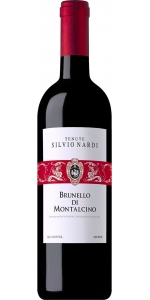
Tenute Silvio Nardi Brunello di Montalcino is made from 100 percent Sangiovese.
Quite intense ruby red color with garnet highlights. Intense and complex aromas at the nose, rich in ripe fruits, spices and toasted notes. Smooth and bodied at the palate, with great persistence, elegant and wide concentration. Tannins are dense and velvety.
Reviews:
Blackberry, black-truffle and black-cherry aromas follow through to a medium body with juicy fruit and a long, flavorful finish. Polished, pretty tannins here. Nicely crafted. Drink after 2026.
-James Suckling 94 Points
In the bottle with the burgundy-colored label, the Tenute Silvio Nardi 2019 Brunello di Montalcino is a layered and generous wine with black fruit, cherry, spice and a hint of Provençal mixed herbs on black olive. There are further hints of underbrush, crushed slate, petrichor from schistic soils, and toasted almond that adds some sweetness from French oak. The tannins are velvety and soft, but this wine is regularly balanced throughout. It's well made in an ample production of 150,000 bottles.
- Robert Parker's Wine Advocate 94 Points
A spicy version, whose black pepper and Szechuan peppercorn notes highlight the core cherry and strawberry flavors. Underbrush and iron accents also enter the mix, while this stays balanced and long as the tannins leave their grip on the finish.
-Wine Spectator 94 Points
.
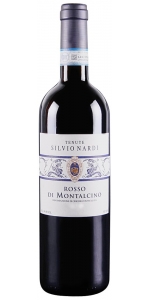
Intense ruby red color. Aromas characterized by hints of ripe red fruits, and hints of spices. On the palate it is warm, soft, and full with strong but velvety integrated tannins. Good persistence.
Pairs with meat, cheese, and game.
Sokol Blosser Big Tree Block Pinot Noir is made from 100 percent Pinot Noir.
1970 was winding down when our founders, Bill Blosser and Susan Sokol Blosser pulled their ’68 VW Camper up to an abandoned prune orchard some 30 miles southwest of Portland. These moonstruck kids had little farming experience and just a basic knowledge of winemaking. What they did have, in abundance, was a passion for growing the Pinot Noir grape and creating world-class wine. Soon after settling on this extraordinary land, they planted their first vines and cinched their place as pioneers in Oregon’s budding wine industry.
Review:
A very impressive wine for the striking sense of spice, white-pepper and briary, forest notes, across red cherries. The palate has sapid, focused style with such taut yet silky tannins holding long and true. Pure red cherries here. Drink or hold.
-James Suckling 94 Points
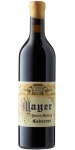
Wine Production: 100% whole bunches undergo a natural yeast fermentation. The wine is then left on lees for a year, with just one handling into the blending tank before bottling. A small amount of Sulphur is added at this point. Wines are bottled without fining or filtration.
Tasting Notes: Spicy and stalky, it has the customary black and red berry notes of Cabernet with a perfumed freshness and medium body. Fine-grained tannins are tempered by the influence of some carbonic maceration in the ferment.
“Cabernet from a north-facing slope on Hans and Anna Orth's vineyard in Coldstream. 100% whole bunches, matured in hogsheads (10% new). A bit darker and denser than last year's wine but equally elegant and perfumed with its scents of blackcurrant, cherry, blackberry leaf and violets. Medium bodied with balanced, mouthcoating yet fine tannins. A lovely wine, more reminiscent of great cabernet franc than sauvignon.”
- James Halliday 96 Points
“Superbly delineated aromas of dried sage, cassis, bay leaves, green beans and mossy forest scents. 100% whole bunch without an ounce of edginess or astringency. This is gorgeous, medium-bodied, perfumed and succulent. There’s a gentle raft of tannins rather than a chunky heaviness. Not dissimilar to the levity and élan of top Loire cabernet franc. Delicious.”
-James Suckling 95 Points



