
" We don't sell the wine without touching the vine "

| Country: | United States |
| Region: | Indiana |
| Winery: | Oliver Winery |
| Grape Type: | Fruit Blend |
| Vintage: | NV |
| Bottle Size: | 750 ml |
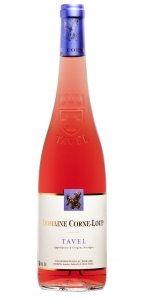
Corne Loup Tavel Rose is made from 60% Grenache, 15% Cinsault, 10% Syrah, 15% mix of Mourvèdre, Clairette & Carignan
Elegant, refreshing, food-friendly and versatile, this Tavel offers mouth-watering aromas of strawberry and berry pie.
Corne Loup Tavel represents the pinnacle of the rose pyramid quality wise that can be achieved in the Southern Rhone. The town of Tavel has been famous for its rose wine since the time of the Popes in Avignon (1300's). Tavel is about 2,300 acres in size and produces about 500,000 cases yearly of 9 liter cases, plus can age for 2-3 years, unlike many other roses. Produced from a blend of Grenache, Cinsualt, Syrah, Mourvedre, Cinsault and Carignan, the wine comes from a famous sub-parcel called the Plateau de Vallongue between Tavel and Lirac AOC's.
The 20 hectare-vineyards are located in the hamlets of Oliver, Campet, Vestides and Vallongue. The Tavel from this producer is a blend of all 3 soils types you can find in the AOC:
Dry and lively, it is an ideal wine for barbecues as it makes a wonderful sipper that's also capable of matching with a wide variety of summer foods, including grilled chicken, seafood and summer salads
Cortenova Prosecco Spumante NV is 100 percent Prosecco
This Prosecco comes from the highly esteemed area of Valdobbiadene. There are two recognized quality zones for Prosecco, Conegliano and Valdobbiadene. Of the two, Valdobbiaden has always been recognized a having the superior quality due to its naturally higher acidity and its more northern location.
The vineyards lie at 350 meters above sea level. The vines are an average of 25 years old.
The grapes are soft pressed and the free run juice is placed in stainless steel. There is a brief maceration period of 4 hours. Specially selected yeast are added and fermentation is controlled at 20° C. There is no malolactic fermentation and the wine is transferred to autoclaves and a second fermentation is induced following the Charmat tradition. When the desired atmospheric pressure is reached (usually 1 month) the wine is bottled.
Light straw colored with greenish reflections. The perlage is fine and continuous. Fragrant bouquet full of flowers and almonds. In the palate it is fresh and clean with a soft body and a pleasing sparkle. The fruit is subtle and reminiscent of apples and pears with a hint of almond in the background. The finish is inviting.
Can be drunk by itself as an aperitif or with seafood and fish, pastas with cream sauces, chicken and fresh cheeses.
Review:
"Pale straw color. Bright, attractive aromas and flavors of roasted lemons and kiwis, green nectarine, nougat, and grass with a soft, vibrant, spritzy, dry-yet-fruity medium body and a tingling, complex, medium-length spiced clementine and delicate herbal honey finish with silky, crunchy, fruit tannins and no oak. A delicious, nicely layered Prosecco with an elegant style." - Beverage Testing Institute (November 23rd 2015), 91 pts, Best Buy
Fullerton Three Otters Rose is made from 60% Pinot Noir, 40% Pinot Gris (7-50 years old)
This Willamee Valley blend hails mainly from three different vineyards in the north, east, and south of the Willamee Valley, with a smaering from five of our other sites. The soils of the vineyards represent the breadth and diversity of the Willamee Valley with both sedimentary- and volcanic-based soils.
Acid: TA 5.6 g/L
pH: 3.45
Aging: 100% stainless steel
Bottled Unfined
Clones: Pommard, Wadensville, Dijon 113, 114, 115, 667, and 777
Winemaker Alex Fullerton and his father and proprietor Eric Fullerton couldn’t decide on a house style for rosé, so they held a friendly competition. They each made a rosé to see whose would win over a crowd. Though the wines were destined to be boled separately, Alex got curious and tried blending the two. Voila! The sum was better than the parts, and a tradition was born. Alex now makes one rosé that is whole cluster pressed and tank fermented, yielding a very crisp and light colored wine, while Eric crafts his rosé from a more robust extraction, which yields a darker and fuller-bodied wine. The two lots are then blended to taste, delivering a crisp, fresh rosé with wonderful structure. The juice spent three weeks on the gross lees prior to fermentation to extract aroma precursers, and then six months on lees post-fermentation.
Pairs with soft cheeses, chicken/turkey.
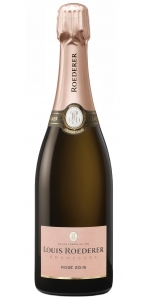
Salmon hue with bright red tints. Fine and energetic bubbles. A ripe, complex and youthful bouquet of slightly tangy red fruit (redcurrants, blackcurrants), ripe citrus (blood orange) and roasted cocoa beans. After some time in the glass, the wine reveals sappier, floral and sweet notes with a saline, almost briny, core. The first impression of the wine is of a generosity, softness and concentration. One has the sensation of biting into juicy, ripe fruit and blood orange, it is a fabulous aromatic explosion with luscious and slightly tangy overtones. The concentrated and dense body takes over and reinforces the impression of substance, of concentrated liqueur on the mid-palate. The finish stretches out, perfectly-honed, gradually revealing umami notes thanks to the precise and crisp mineral freshness.
Reviews:
The 2015 Brut Vintage Rosé is generous and demonstrative, bursting with aromas of peach, orange and pear mingled with hints of red berries, fresh bread and ginger. Full-bodied, layered and vinous, it's rich and enveloping, its textural attack segueing into an ample, fleshy core that's girdled by bright acids and enlivened by a pillowy mousse. Long and expansive, it's more generous and gourmand than its racier 2014 predecessor, but just as good.
-Wine Advocate 94 Points
This shows lots of cotton candy and peach, together with strawberries and cream. But not overpowering. Some cranberry, too. It’s medium-to full-bodied with fine bubbles and a lively finish. Dosage 8g/L. Drink now or hold.
-James Suckling 94 Points
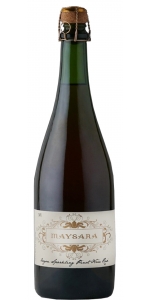
Maysara Sparkling Pinot Noir Rose is made from 100 percent Rose.
A stunning sparkling rosé made with 100% Pinot Noir grapes, that is balanced with high tension acidity and minerality. The fine bubbles keep the aromatics tight with a clean finish of dried cranberries, pomegranate, and wild strawberries.
Pair with soft cheeses, fried chicken, oysters, Mediterranean salads.
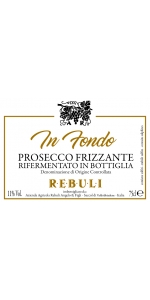
description: This is a Pét-Nat Prosecco.
Pét-Nat is short for Pétillant Naturel (French for Naturally Sparkling).
It is the same vinification method as "Methode Ancestrale" used in Bugey Cerdon.
The wine is bottled before the end of the first alcoholic fermentation. Unlike Champagne method (in which the base wine completes his first fermentation in tank and only the secondary fermentation takes place in the bottle adding sugar and yeast also known as liqueur de tirage, which will requires the wine to be disgorged), Pét-Nat method doesn't imply the wine will be filtered or disgorged upon fermentation.
This gives Pét-Nat its light and fizzy mouthfeel, generally with a little sweetness and low alcohol. Most of the times, bottles are slightly cloudy from the presence of lees.
The wine is vibrant with complex lemon citrus, pear and verbena. It finishes dry with delicate yeasty notes.
Alcohol 11,0% vol.
Acidity 5,1 g/l.
Residual sugar 0 g/l
PH 3.3
Pressure 2.4 atm
Area of origin: Vittorio Veneto
Soil: calcareous
Varietal: 95% Glera (known as Prosecco)
Harvest: Manual, with selection of the grapes.
Vinification: Soft pressing with bladder membrane press, settling of must, fermentation at controlled temperature
Fermentation: Processed according to the traditional method of fermentation in yeast bottles. Is normal his natural “bottom” deposit in the bottle, which is why it is brilliant or velvety straw yellow if shaken; the bubble development is brilliant.
Extremely digestible wine, suitable for casual moments or tasting the typical sausages of the local tradition such as the sopressa. Great with pizza daisy.
Review:
"Showing orchard fruit aromas, this wine offers exuberant fruit with light lemon and herbal notes. It offers bright acidity and finishes complete dry. One of the best Pet-Nats we’ve had this year. Made of 95% Glera, this is a sparkling wine made the ancestrale method where the wine is bottled before the end of fermentation, resulting in dissolved carbon dioxide that lends a light sparkling quality to the wine."
- International Wine Review (Champagnes & Sparkling Wines for the Holidays: The Best of 2018), 90 pts
Oliver Soft Rose is made from 100% Catawba, a native American grape variety since the 1800s.
Brilliant and beautiful color, bright and zesty with a complex bouquet of juicy grape aromas. Sweet with a very long finish. Pairs well with Asian or Mexican cuisine. Excellent with salads, light-flavored cheeses, fruits, pastries and pies.
The Oliver Estate
Oliver Winery started in the 1960's as a hobby in the basement of Indiana University law professor William Oliver. His enthusiasm for making wine led him to establish a vineyard north west of Bloomington. Soon the flourishing vines produced grapes far in excess of his needs as a hobby winemaker, and he began plans to open a commercial winery.
Professor Oliver was instrumental in passing legislation allowing for the creation of small wineries in Indiana . The Indiana Small Winery Act passed in 1971 and Oliver Winery opened to the public in 1972. Initially sales were modest, but grew quickly after we began making Camelot Mead, a light wine made from honey.
Professor Oliver's son, Bill, took charge of the winery in 1983. He focused on enhancing the visitor experience by increasing wine quality and variety, establishing our gardens, and providing great customer service. Sales grew steadily in the 80's reaching 25,000 cases by 1990.
In 1993 Kathleen Oliver joined the winery as General Manager. This allowed Bill to focus on winemaking and viticulture and Creekbend Vineyard was started in 1994. Retail sales continued to grow and allowed for the construction of a new tasting room in 1997. By 2000 sales had reached 60,000 cases.
While retail sales marked the greatest growth prior to 2000, the years after saw tremendous growth in wine sold through wholesale channels. Major facility expansions occurred in 2002 and 2007 making Oliver Winery one of the largest wineries in the eastern United States. In 2002, interstate expansion began as Kentucky became the first state outside of Indiana to offer Oliver wines. By 2008 we had distribution in 14 states. In 2008 total case sales exceeded 270,000 cases.
The Vineyard
They farm 35 acres of vineyard land called Creekbend Vineyard, located in Monroe County and sitting on a ridge top overlooking the Beanblossom Valley. The site, with moderately sloped, well-drained soil atop limestone bedrock, is part of the geographic region known as the Norman Uplands. The vineyards are a mix of vinifera (Cabernet Sauvignon and Cabernet Franc, as well as small experimental plantings of Merlot, Pinot Noir and Pinot Grigio), Native American varieties and interspecific hybrids (Chardonel, Marechal Foch, Chambourcin and Traminette).

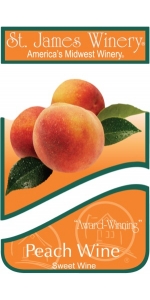
Made from peaches
9.5% Alcohol by Volume
13% Residual Sugar
Our Peach wine brings fresh from the orchard peach flavors and aromas to your glass. It’s the next best thing to biting into a perfectly ripe peach.
Serve chilled with spicy cheeses or your favorite dessert.
Select Wine Competition Awards:
2011 SILVER San Francisco Chronicle
2011 GOLD Florida State Fair International
2010 BRONZE Indiana
2010 SILVER Tasters Guild International
2010 BRONZE San Francisco Chronicle
Double Diamond by Schrader Oakville Cabernet Sauvignon is made from 100 percent Cabernet Sauvignon.
Barrels: 54% new French oak, 46% second-use Schrader Darnajou French Oak
The 2022 Cabernet Sauvignon offers concentration, lively acidity, and refined tannins that have become the hallmark of the 2022 vintage. The nose holds notes of black raspberry, toasted cedar, juicy plum, and pennyroyal mint—a Napa Valley Cabernet Sauvignon signature. The palate is mouthwatering with intricately woven layers of blackberry compote, dark chocolate shavings, oolong tea, and flint. The dynamic flavors carry across the mid-palate in vivid harmony into a long, floral finish. This wine is ready to drink upon release but will cellar well for years to come.
Double Diamond is sourced exclusively from a complement of prime vineyard estates. Sourced from the same famed vineyards as its beloved inspiration Schrader Cellars in Napa Valley’s world-renowned Oakville AVA, including our To Kalon Vineyard.
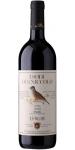
Castellare di Castellina 'I Sodi di San Niccolo' Toscana IGT is a blend of Sangioveto (85%-90%) and Malvasia nera (15-10%)
Intense ruby red in color and with a great olfactory concentration, thanks to the presence of a ripe red fruit that leads to notes of jam, but also spices, vanilla and licorice. In the mouth the wine is characterized by a dense and elegant texture, also supported by the important acidity of the Sangiovese, the tannins are absolutely sweet and the finish is long and of great persistence.
Excellent with cured meats and savory meats, with succulent dishes and mature cheeses. Much appreciated when paired with Tuscan Pecorino and Parmigiano.
The masterpiece of Castellare, I Sodi di San Niccolo, has twice placed in the top 100 of Wine Spectator, and has been awarded “Three Glasses” by Il Gambero Rosso.
I Sodi di San Niccolo is produced solely with native varieties: 85-90% of Sangioveto and 10-15% of Malvasia Nera, I Sodi comes from the two best crus of the farm.
The word "I Sodi" was used by the Tuscan farmers to describe those grounds which had to be processed by hand, being too hard (in fact firm) or too steep to allow for the employment of the horses, unlike the "fields" that make the grounds more easily cultivable.
Reviews:
Packed with ripe, juicy cherry, blackberry, pomegranate and floral aromas and flavors, this red is supple and beautifully integrated. Earth, iron and tobacco accents add detail as this winds down on the lazy, resonant aftertaste, showing terrific energy. Sangioveto and Malvasia Nera. Best from 2026 through 2043.
-Wine Spectator 97 Points
#35 Wine Spectator Top 100 of 2024
Vinous 97+ Points



