
" We don't sell the wine without touching the vine "
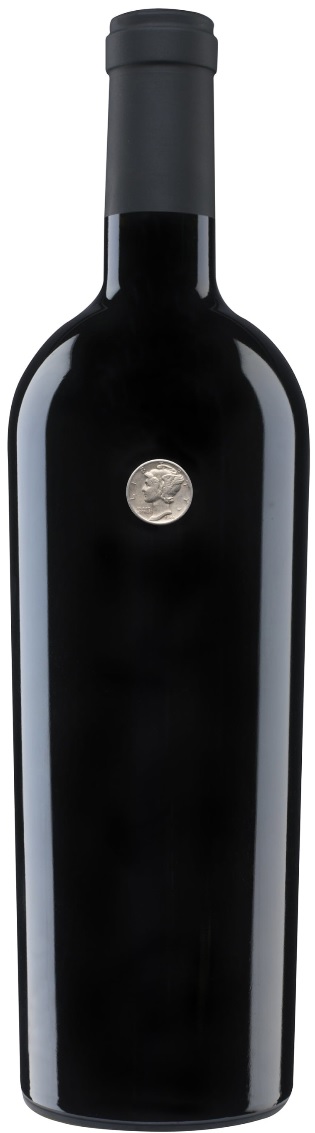
| Country: | United States |
| Regions: | California California (Napa) |
| Winery: | Orin Swift |
| Grape Type: | Cabernet Sauvignon |
| Organic: | Yes |
| Vintage: | 2017 |
| Bottle Size: | 750 ml |
Orin Swift 'Slander' Pinot Noir is made from 100 percent Pinot Noir.
Staying humble and letting the grapes do the talking is how we get better at winemaking every vintage. Pinot Noir requires even more humility, especially in the vineyards – when the grapes are ready, they’re ready. Requiring a gentler approach with punchdowns rather than pumpovers, Pinot Noir expresses itself when it is lead manipulated. Slander is the union of California Pinot Noir made in the Orin Swift signature style delivering a bold and expressive wine.
There are several fantastic growing regions in California bes t suited to Pinot Noir—from down in Santa Barbara County to up north in the Anderson Valley to everywhere in between. We’ve been fortunate to source Pinot Noir from across the state in many of these ideal locales for years . Finnick y, sensitive and with lots of personality, the varietal requires a long growing season and relatively mild weather to ripen and develop its beautiful flavors , all while retaining its brightness . Sourced from the Rancho Real, Annapolis, Del Rio, Laguna and a few other vineyards, this vintage of Slander is an example of the sum being greater than its parts. WINEMAKER’S NOT
The 2022 Slander delivers a medium ruby core with a lucid rim that-s almost translucent. Aromatically, Bing cherry, briar fruit and some raspberry give way to ripe strawberry and associated red fruits. Bright and enveloping on the entry, notes of fresh strawberry, watermelon, thyme and a hint of funk come through. Spicy on the finish, the wine closes with a flash of blue fruits and lift.
Mason Cellars Pelissa Vineyard Cabernet Sauvignon is made from 100 percent Cabernet Sauvignon.
The 2020 Mason Oakville Cabernet Sauvignon is quintessentially Oakville from nose to finish. Attractive fresh blackberry, red current and chocolate with a hint of sweet oak boast out of the glass. This wine showcases graphite, velvety tannins and concentrated, beautifully balanced flavors with a bit of spice and white pepper. These bold flavors typical of Oakville Cabernet are rounded out with velvety tannins, a weighty mid-palate and a long, juicy finish.
Production Notes:
The fruit was delicately hand-picked in the early morning hours and brought into the winery for processing. The grapes were crushed, about 60% whole berry, and cold soaked for three days before being inoculated for primary and malo-lactic fermentation. Once dry, the wine was put down to barrel for 20 months in medium toast French oak, 25% of which was new.
Vineyard Notes:
Grapes for our 2020 Mason Cabernet Sauvignon are sourced exclusively from the Pelissa Vineyard in Oakville. This vineyard spans 60 acres and is planted to Old BV Clone 7 Cabernet Sauvignon as well as Zinfandel. This vineyard is named for Andrew and Babe Pelissa, who after their marriage on August 30, 1930, made their home at the site of this vineyard which, at the time, was a dairy. Oakville is the core of Napa Valley’s famed Cabernet Sauvignon production, and this site is no exception with the flawless blending of climate and soil to create a remarkable wine.
Review:
“This firmly structured, well-balanced wine has the feel of a classic Bordeaux blend. Just-ripe red and black fruits blend with subtle toast, cedar and mint on a moderately tannic, slightly tangy texture. The wine is tasty enough to decant and drink soon with grilled lamb chops or roast chicken. Best from 2026–2036.” – Jim Gordon
-Wine Enthusiast 94 Points
Napa Cellars Cabernet Sauvignon is made from 100 percent Cabernet Sauvignon.
Napa Cellars Cabernet Sauvignon brims with ripe, concentrated aromas of black currant, loganberry and fig, underscored by threads of warm spice and mocha.
Review:
Aged 21 months in French and Hungarian oak, notes of toasty, spiced cocoa, cassis, and clove are the preamble for the palate’s introduction to this most approachable red. Deep and savory, with black tea, plum, and graphite. Tannins are supple and easy going, and acidity is bright, establishing an energetic finish. - The Tasting Panel, July/August 2025
-Tasting Panel/Somm Journal 92 Points
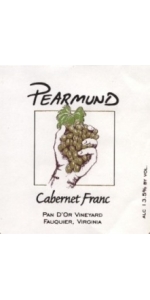
Vintage Notes: A cool summer and early fall allowed a longer ripening season, helping benefit this years Cabernet Franc, as its natural spice was allowed to mature and become better defined.
Pearmund Cellars Cabernet Franc is made from100% Cabernet Franc. Known primarily as a blending grape in Bordeaux’s left bank. Its ability to grow and mature in Virginia makes it one of the States finest varietals.
Tasting Notes: A nose of cherries, raspberries and fennel. Peppery spice continues on the palate with notes of cocoa and sweet cedar wood, allowing for easy drinking. A hint of pepper will linger on the finish.
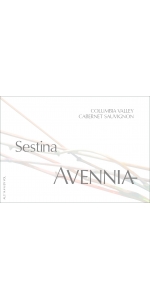
Avennia Sestina Cabernet Sauvignon is made from 77% Cabernet Sauvignon, 17% Merlot, 6% Cabernet Franc.
The story of this wine - The Sestina is an ancient form of poetry from Medieval France. Just as a modern poet can fill this form with new expressions, Avennia uses the traditional Bordeaux blend to express Washington. Sestina is their vision for an old vine, complex blend where all of the components complement each other. This wine is designed for the cellar, so the emphasis is on structure, balance, and complexity.
Winemaker Tasting Notes - “Good deep ruby/garnet color, with aromas of black cherry, fresh black currant, dark mocha, cigar box, and graphite. The palate is lively and dense with mountain berries, mocha, vanilla honey, damp earth, and wildflowers. The finish shows a distinct chalky minerality and beautiful tension. This is a classically balanced and ageworthy Sestina. Drink 2025-2040.” - Chris Peterson, Winemaker
Review:
"The Cabernet Sauvignon-dominated release from Peterson, the 2017 Sestina comes from the Red Willow, Bacchus, and Dionysus vineyards. Rocking levels of crème de cassis, sappy herbs, violets, and cedar pencil all flow to a full-bodied, incredibly pure, polished 2017 that offers flawless balance, ripe tannins, and a great, great finish. It's more approachable than normal yet is still going to evolve for 15 to 20 years. The blend is 77% Cabernet Sauvignon, 17% Merlot, and the rest Cabernet Franc, all raised 20 months in 50% new French oak."
- Jeb Dunnuck (April 2020), 95 pts
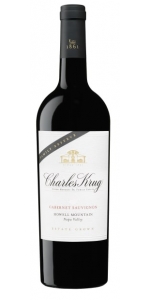
Charles Krug Family Reserve Howell Mountain Cabernet Sauvignon is made from 100 percent Napa Cabernet Sauvignon.
Rising 1,650 feet above the Napa Valley floor on the southwestside of Howell Mountain, the Family Reserve Howell MountainCabernet Sauvignon sits above the fog line. The distinctiveclimate, along with volcanic and iron-rich red soils, producefruit with great balance and intensity.
Review:
The 2017 Cabernet Sauvignon Limited Release Cold Springs is the most distinctive of the wines in this range of limited-release Cabernets from Charles Krug. Gravel, licorice, menthol and spice all develop in a Howell Mountain Cabernet endowed with tremendous class and nuance.
-Vinous 92 Points
A familiar nose of pedigree, the wine opens with aromatics of ripe raspberry, blackcurrant, cigar box and a hint of fresh sandalwood shavings and Herbs de Provence—mysteriously intriguing at first but evolving into a thoroughbred with time and air. Dense and layered on the palate, an immediate note of mixed berry strudel topped with fresh cream, fresh black raspberry and soft tannins akin to baking chocolate transition to a finish of both nuance and concentration. Still young, the wine will continue to evolve gracefully while retaining its luscious quality and classic Napa Valley Cabernet Sauvignon nature.
Review:
Alluring, featuring blackberry, blueberry and açaí berry aromas and flavors, laced with graphite and violet notes and backed by a hint of lavender. Very expressive, showing lovely range, as well as the stuffing and structure to cellar. Approachable, but a little time is warranted. Best from 2021 through 2030. Wine Spectator 93 Points
Deep garnet-purple colored, the 2017 Cabernet Sauvignon Mercury Head (aged for 15 months in oak, 51% new) delivers classic notes of warm cassis, plum preserves and mulberries with hints of cigar box, dried bay leaves, pencil lead and truffles. The full-bodied, densely packed, full-throttle palate has a solid structure of firm tannins and oodles for freshness supporting the muscular black fruits, finishing long and savory.
Wine Advocate 93+ Points
| The history of Orin Swift Cellars dates back to 1995 when on a lark, David Swift Phinney took a friend up on an offer and went to Florence, Italy to spend a semester “studying”. During that time, he was introduced to wine, how it was made, and got hooked. A few more years of university led to graduation and eventually a job at Robert Mondavi Winery in 1997 as a temporary harvest worker. Deciding that if he was going to work this hard, it would eventually have to be for himself, he founded Orin Swift Cellars in 1998; Orin is his father’s middle name and Swift is his mother’s maiden name. With two tons of zinfandel and not much else, he spent the next decade making wine for others as well as himself and grew the brand to what it is today. We welcome you to stop by and visit us at our tasting room located in downtown St. Helena. |
The Special Club concept started in 1971. A dozen wine growers from some old families of Champagne had an idea to familiarize people with the originality of the “Champagne de Vigneron” (Champagne of wine grower), thanks to prestigious vintages.
In the beginning, they created an association called the “Club des Viticulteurs Champenois” and chose a bottle with a special shape, created exclusively for them & used only by then. In 1988, they changed the bottle and the label. In 1999, the Club changed its name to “Club Trésor of Champagne.”
The Club Trésors comprises 28 artisan wine makers, selected from the finest areas of the Champagne region, each one recognized for the quality of their work. The Club Trésors is the only organization in Champagne to select its members according to a set of unrelenting quality standards:
Roland Champion's Special Club selection has rich and structured aromas. Very pleasant and generous roundness, nice length in mouth. Golden color with buttery and fruity aromas. All the expression of a magnificent terroir for your most pleasurable moments.
SALE
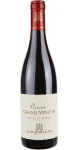
Grand Veneur Cotes du Rhone Rouge Reserve is made from 60% Grenache Noir, 35% Syrah and 5% Cinsault.
The colour is purple-tinged garnet.The aromatic range of the nose goes from fresh berries (wild raspberry, blackcurrant, blackberry) to spices.The palate is big and full-flavoured, with silky-smooth tannins and aromas of the fruit already mentioned. The finish introduces touches of liquorice and pepper. A Côtes du Rhône with great complexity for an every day drinking.
A classic Rhône to drink between 1 and 4 years.



