" We don't sell the wine without touching the vine "
| BUY MORE! SAVE MORE! | ||||||||||||||||||||
|
| Country: | Spain |
| Region: | Rueda |
| Winery: | Ossian Vides y Vinos |
| Grape Type: | Verdejo |
| Organic: | Yes |
| Vintage: | 2020 |
| Bottle Size: | 750 ml |
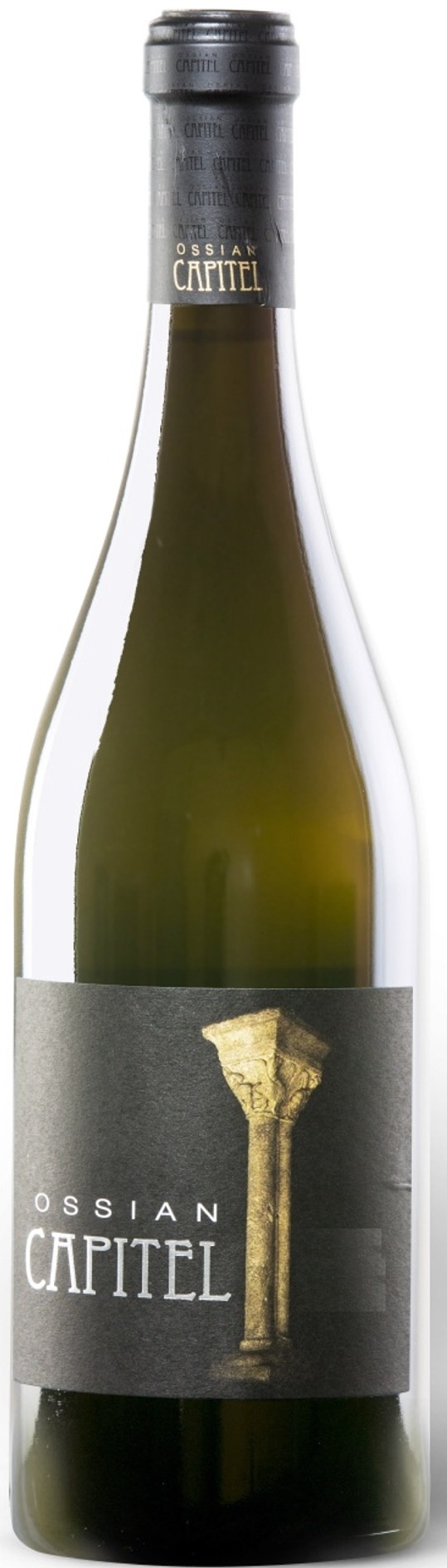
Ossian Capitel Verdejo is made from 100% Verdejo.
Ossian Capital represents a particular expression of very old Verdejo vines, taking its potential far finesse, elegance and longevity. It is made in selected years with a selection of extraordinary grapes.
Color: Old golden yellow color with greenish reflections.
Aromas: Surprisingly nuanced and profound.
Flavors: Fresh, full and very light.
Review:
"The 2020 Capitel is pure Verdejo from the oldest vines from the Peña Aguda vineyard in the village of Nieva on slate soils. This is the last vineyard to be bottled and has higher alcohol (14%) than the rest of the vineyards despite now harvesting earlier. The wine has a different aromatic profile but getting closer to the style of Ossian, less opulent than in the past, with more energy, quite fruit-driven with some exotic notes reminiscent of banana skin. The whole clusters were pressed and the juice put to ferment in barrel where the wine matured with the lees and, starting this year, without bâtonnage, because they feel the wines have enough volume and stirring the lees can bring more oxidation to the wine. 2,500 bottles produced. - Luis GUTIERREZ"
- Robert Parker's Wine Advocate (January 31st 2023), 93+ pts
Ossian Vides y Vinos Estate
With raw material of similar quality, Javier Zaccagnini and Ishmael Gozalo traveled to Burgundy in search of a good winemaker. There they found Pierre Millemann, which already had a strong reputation and long experience in developing large Burgundian whites. Pierre accepted the challenge and he is now in charge of the design and supervision of what this wine should be.
Under his guidance began the project with the 2005 harvest, were making two different cuvées, and fermenting the juice in Burgundian 228-liter barrels manufactured by four different coopers (all from Burgundy), with oak from three different forests, with 2 different roast. All this was intended to investigate what wood is best suited to the Verdejo grape, and endowed the wine more complexity.
The vineyards are located in the town of Nieva (Segovia). The cellar in which the project started is a small facility that is part of the old Monastery of El Parral, the twelfth century, opposite the Church, Mudejar Romanesque style, from the same era.
In short this is an old project 100% grape Verdejo 100%, 100% ungrafted, 100% organically grown, 100% fermented in oak barrels, 100% Burgundian philosophy.
The first vintage, 2005 Ossian, was bottled on October 25, 2006, yielding 12,000 bottles were put on the market in December of that year, after nine months of barrel aging and 2 months of bottle aging. Sold out in three weeks and they were awarded a 93 point score in the Penin Guide.
The project was founded on an absolutely exceptional vineyards: 9 hectares of venerable vineyards between 100 and 200 years old. This is a pre-phylloxera Verdejo since that escaped the plague because of its sandy soils.
Ossian Vides y Vinos Vineyard
The vineyards are located in the town of Nieva (Segovia province), the highest in altitude among of all the villages that are included in the D.O. Rueda, between 840 and 930 meters above sea level (150 meters in the area near the Duero River). This causes a specific climate, with higher thermal oscillations between day and night in the valley, delaying the harvest date and, finally, improving the quality of wine.
Moreover, Ossian has been certified Organic for more than seven years. The winery does not get a single chemical synthesis, or fertilizer, herbicides or fungicides of any kind. It is the oldest registered and certified organic vineyard in the D.O. Rueda.
Ossian Quintaluna Verdejo is made from 100% Verdejo
Quintaluna is a young wine that is made exclusively from Verdejo in the province of Segovia. 60% is very old grape: pre-phylloxera (ungrafted). 40% is made of very young grapes on trellises, grown certified organic, with low yields. The key to success for the Verdejo grape is held in the soil. Ideal soil has a high content of sand and pebbles of different sizes. Some have higher proportions of clay and others have significant proportions of clay and limestone. As the pebbles and sand allow for good drainage, the clay holds enough moisture to allow the vines to thrive.
The color is a straw yellow with greenish reflections. On the nose, you will find aromas of white flowers, stone fruit (peach), and citrus (lemon, mandarin). It also displays tropical fruit aromas. The palate is complex. Natural acidity is evident in the freshness and length on the palate. Almond and ripe fruit flavors are found in the mid-palate with fresh grass and citrus on the finish.
It pairs wells with all kinds of appetizers, entrees and salads.
Review:
"The 2020 Quintaluna is pure Verdejo from small plots on sandy soils in the province of Segovia, fermented in stainless steel with indigenous yeasts. They still use grapes from external suppliers but are working toward using 100% their own grapes (which they might achieve in 2023); therefore, the wine is not certified organic, because some of the vineyards from the growers are not certified. It has a balsamic nose reminiscent of bay leaf, dried yellow flowers, chamomile and pollen intermixed with pit fruit. It has a dry palate and a chalky texture, with balance and finesse, with moderate ripeness and 13.5% alcohol. 110,000 bottles. - Luis GUTIERREZ"
- Robert Parker's Wine Advocate (January 31st 2023), 92 pts
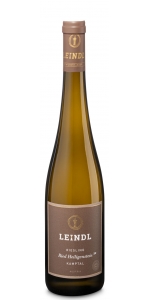
Leindl Riesling Zobinger Heiligenstein Kamptal is made from 100 percent Riesling.
Medium yellow green. Fine nuances of ripe apricot, a hint of yellow apple, delicate herbs and spices, mineral Touch, hints of candied orange zest. Juicy, elegant, fine stone fruit, touch of finesse acidity, salty minerality in the finish, remains long, already well to drink.
Cold Fermentation.
Aged on the lees for 12 months in Stainless Steel tank. No Oak.
No ML
Review:
"Aged on the lees for 12 months in stainless steel, this wine saw no oak. Its original name – Hellenstein -- referred to hell stone, as the vineyards are on a mountain where the “sun burns like hell.” It was later renamed Heiligenstein, which translates as holy rock, and is a geological island of desert sandstone, with volcanic matter. Its earthy slate character lends out scents and flavors of honeyed apricot, salty pears, and stone fruit pith."
-The Tasting Panel (May/June 2022), 94 pts
Ossian Capitel Verdejo is made from 100% Verdejo.
Ossian Capital represents a particular expression of very old Verdejo vines, taking its potential far finesse, elegance and longevity. It is made in selected years with a selection of extraordinary grapes.
Color: Old golden yellow color with greenish reflections.
Aromas: Surprisingly nuanced and profound.
Flavors: Fresh, full and very light.
Review:
Color: bright yellow. Aroma: ripe fruit, spicy, white fruit, citrus fruit. Flavour: balanced, fresh. Style: taut. Color: bright yellow. Aroma: powerful, creamy oak, ripe fruit, spicy. Flavour: rich, good structure, long, toasty, fine bitter notes.
-Guia Penin 96 Points
Ossian Quintaluna Verdejo is made from 100% Verdejo
Quintaluna is a young wine that is made exclusively from Verdejo in the province of Segovia. 60% is very old grape: pre-phylloxera (ungrafted). 40% is made of very young grapes on trellises, grown certified organic, with low yields. The key to success for the Verdejo grape is held in the soil. Ideal soil has a high content of sand and pebbles of different sizes. Some have higher proportions of clay and others have significant proportions of clay and limestone. As the pebbles and sand allow for good drainage, the clay holds enough moisture to allow the vines to thrive.
The color is a straw yellow with greenish reflections. On the nose, you will find aromas of white flowers, stone fruit (peach), and citrus (lemon, mandarin). It also displays tropical fruit aromas. The palate is complex. Natural acidity is evident in the freshness and length on the palate. Almond and ripe fruit flavors are found in the mid-palate with fresh grass and citrus on the finish.
It pairs wells with all kinds of appetizers, entrees and salads.
Review:
"The 2020 Quintaluna is pure Verdejo from small plots on sandy soils in the province of Segovia, fermented in stainless steel with indigenous yeasts. They still use grapes from external suppliers but are working toward using 100% their own grapes (which they might achieve in 2023); therefore, the wine is not certified organic, because some of the vineyards from the growers are not certified. It has a balsamic nose reminiscent of bay leaf, dried yellow flowers, chamomile and pollen intermixed with pit fruit. It has a dry palate and a chalky texture, with balance and finesse, with moderate ripeness and 13.5% alcohol. 110,000 bottles. - Luis GUTIERREZ"
- Robert Parker's Wine Advocate (January 31st 2023), 92 pts
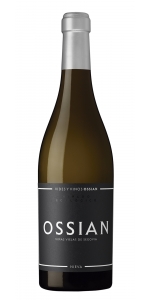
A barrel fermented, old vines Verdejo made in a style different from what we typically see in this white varietal. It has a remarkable complexity, resulting in the smoothness and depth of a high-end white. Very suitable for cellaring.
Golden yellow color with greenish reflections. Complex, toasty aromas of nuts & dried fruit. Large, creamy, spicy, balanced and voluminous.
Rice with fish, cooked seafood, grilled seafood, baked white fish.
"The eponymous 2020 Ossian was produced with Verdejo grapes from old, organically farmed vines around the village of Nieva (Segovia), a zone where phylloxera didn't reach. They consider 2020 their finest vintage to date, with a big change from 2018 and when they have achieved a much better understanding of their vineyards. It has notes of pit fruit and sweet spices, with good weight on the palate, moderate alcohol (13.5%) and ripeness and good freshness and balance. It's serious and with potential to develop in bottle. 80,000 bottles produced. - Luis GUTIERREZ"
- Robert Parker's Wine Advocate (January 31st 2023), 94 pts
Ossian Quintaluna Verdejo is made from 100% Verdejo
Quintaluna is a young wine that is made exclusively from Verdejo in the province of Segovia. 60% is very old grape: pre-phylloxera (ungrafted). 40% is made of very young grapes on trellises, grown certified organic, with low yields. The key to success for the Verdejo grape is held in the soil. Ideal soil has a high content of sand and pebbles of different sizes. Some have higher proportions of clay and others have significant proportions of clay and limestone. As the pebbles and sand allow for good drainage, the clay holds enough moisture to allow the vines to thrive.
The color is a straw yellow with greenish reflections. On the nose, you will find aromas of white flowers, stone fruit (peach), and citrus (lemon, mandarin). It also displays tropical fruit aromas. The palate is complex. Natural acidity is evident in the freshness and length on the palate. Almond and ripe fruit flavors are found in the mid-palate with fresh grass and citrus on the finish.
It pairs wells with all kinds of appetizers, entrees and salads.
Review:
"Light, bright straw. Fresh pear, orange pith and a suggestion of pungent flowers on the powerfully scented nose, along with a building mineral nuance. Juicy and incisive in the mouth, offering Meyer lemon, pear and quince flavors accented by a spicy ginger flourish. Silky and focused on the finish, which shows powerful floral lift, minerally cut and impressive persistence. - Josh Raynolds"
- Antonio Galloni's Vinous (February 2021), 92 pts
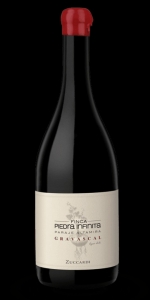
Familia Zuccardi 'Finca Piedra Infinita' Gravascal is made from 100 Malbec.
WINE DATA:
Grape Composition: 100% Malbec
Appellation: Finca Piedra Infinita, IG Paraje Altamira,Valle de Uco, Mendoze
Vinification: Manually selected grapes, filling of tanks by gravity. Fermentation with native yeasts in concrete vessels without epoxy. Aging in concrete vessels. The 2020 was a very particular vintage, characterized by limited yields and a high speed of maturity, which made it one of the fastest and most challenging on record.
In the search for the purest expression of the identity of Finca Piedra Infinita vineyard, we reached this small plot of 0.73 hectares. Located on its north-east side, it shows the typical facet of Paraje Altamira soil, with large gravels and granite stones covered with calcareous material at a depth of 50 cm.
Altitude: 3,609 feet above sea level
Soil Type: Short alluvial soil covered with calcareous materials
Alcohol: 14% Total Acidity: 5.6g/l
TASTING NOTES:
Color: Bright ruby color
Aroma: Dark berries, black olive tapenade, and iron
Flavor: Rich on the palate, with firm tanins
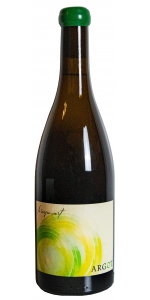
Argot Le Rayon Vert Chardonnay is made from 100 percent Chardonnay.
"Le Rayon Vert", the phenomenon which occurs as the sun dips below the horizon, and a brilliant green flash occurs when sunlight prisms through Earth's atmosphere. Jules Verne wrote "a green which no artist could ever obtain on his palette”, akin to the ethereal, green halo all truly pedigreed Chardonnays radiate from the glass.
Wafting from the glass like a freshly opened stick of Wrigley's gum. Both intense and vibrant, the full-bodied palate delivers Granny Smith apple and stone fruits; confections of custard and sticky vanilla bean; animated by bursts of spearmint and pine forest.
Review:
The 2020 Le Rayon-Vert comes bounding out of the glass with bold notions of lemon meringue pie, fresh apricots, and sea spray, giving way to nuances of struck flint, wet pebbles, and Marcona almonds, plus wafts of lime leaves and mandarin peel. The medium to full-bodied is simply electric, delivering super-intense citrus and mineral layers with a crisp backbone and a very long, chalky finish.
-The Wine Independent 96 Points
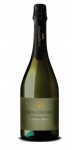
La Ronciere Selva Oscura Sparkling Extra Brut is made from 60% Pinot Noir, 40% Chardonnay.
Selva Oscura was born to further complement La Ronciere’s cold-climate wine program. Only early, thin-skinned varieties such as Chardonnay and Pinot Noir can ripen in the cold, rainy Araucanía Province. Grape maturity often comes with great difficulty, but the resulting wines reach the bottle with intense freshness and vibrant aromas. Planted in volcanic soils and surrounded by ancient forests, this is a place where vines have developed under adversity and grown to deliver unique wines, with inspiring character and personality.
Review:
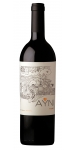
Ayni Malbec Paraje Altamira is made from 100 percent Malbec.
Ayni is the Quechua term for the principle of reciprocity, practiced for centuries by the Andean people - "in order to receive, you first have to give." Chakana's renowned Paraje Altamira vineyard, which sits 3,300 feet above sea level, bears the name Ayni & is the source of the Ayni wines.
Deep ruby-red in color with violet hints. Complex and intense bouquet, featuring blackberries, cherries and plums, with delicate floral notes and spices. Balanced and fresh; full-bodied with good length of spices.
Pairs well with grilled meats and stews.
Review:
"Chakana is an organic and biodynamic producer in Mendoza, that harvests from a vineyard in Paraje Altamira to produce this terroir-focused, minimal intervention Malbec. Aged in a mixture of casks and barrels for 12 months, this is a pure, energetic red in which fresh red fruit aromas combine with spice, herbs and mineral notes. In the mouth, it’s fluid with lively acidity and firm, chalky tannins. A potent, long-lasting wine. Drinking Window: 2023 - 2030"
- Decanter Magazine, 94 pts