
" We don't sell the wine without touching the vine "
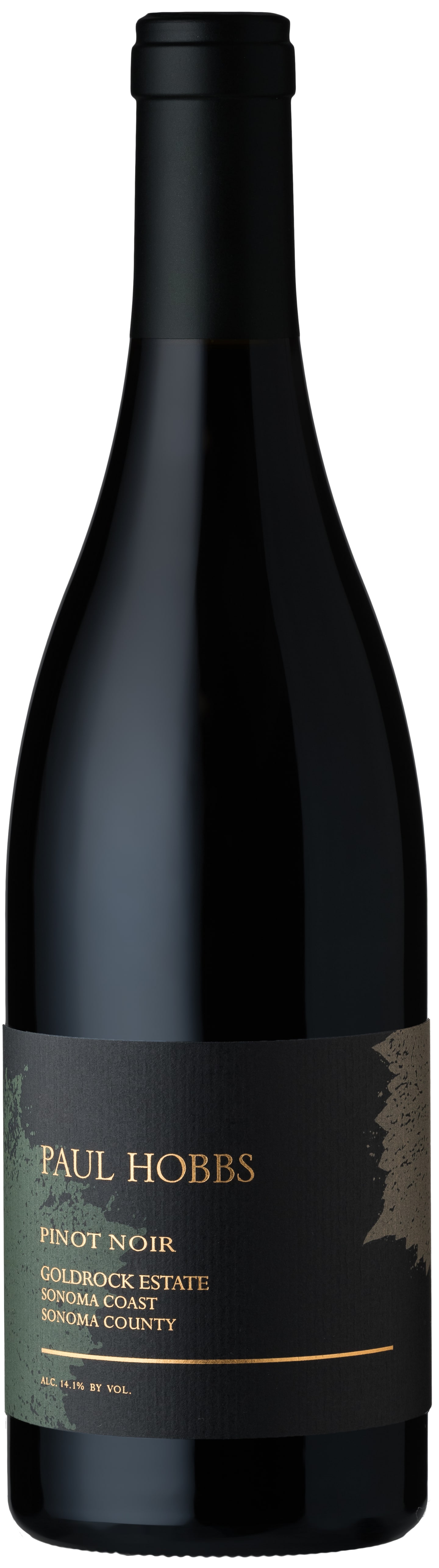
| Country: | United States |
| Regions: | California California (Sonoma County) |
| Winery: | Paul Hobbs |
| Grape Type: | Pinot Noir |
| Organic: | Yes |
| Vintage: | 2019 |
| Bottle Size: | 750 ml |
Paul Hobbs George Menini Estate Pinot Noir is made from 100 percent Pinot Noir.
Brilliant ruby red in the glass, the 2022 vintage follows the color with matching aromas of wild mountain strawberry, raspberry, and cherry infused with hints of black tea. On the palate, this wine has the texture of thick satin, evolving seamlessly with subtle energy and pleasant tension. Elegant, fine-grained tannins run through a lingering, juicy finish.
Review:
Wow, a super well-structured, vital wine with oodles of generous black fruit flavors on a firm frame that will help it age well and improve with time. Black cherries, blackberries, blueberries, forest floor nuances and a slight smoky, stemmy character from using mostly Calera-clone grapes, with 15% whole clusters and 30% new French oak. Great interplay between layered fruit and a fresh, crunchy texture. Drinkable now, but best from 2030.
-James Suckling 98 Points & #54 in Top 100
In the far northwest corner of the Sonoma Coast appellation, near the town of Annapolis, the vineyard sits just five miles from the Pacific Ocean, and provides a poignant setting for producing pinot noir with elegance, great precision, and intensity.
Review:
The 2021 Pinot Noir Goldrock Estate is deep, rich and explosive. Dark red cherry, pomegranate, blood orange, menthol, spice and rose petals are all amplified in this dramatic Sonoma Coast Pinot. The complexity and intensity here are simply unreal. Give this time, there's a lot of wine in the glass.
-Vinous 96 Points
Paul Hobbs Russian River Pinot Noir is made from 100 percent Pinot Noir.
Sourced predominately from the estates that are defined by their proximity to the coast and Russian River climate, the wine displays vivid crimson and aromas of violet, Morello cherry, and black tea. Velvet tannins on the palate ride along a juicy backbone of flavors such as cranberry, Blood orange, and Damson plum. The finish is long, powered behind a crisp acidity and appealing red clay-like minerality.
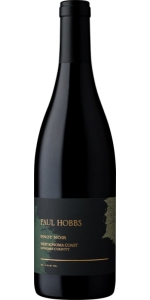
Paul Hobbs West Sonoma Coast Pinot Noir is made from 100 percent Pinot Noir.
Hailing from the newly established West Sonoma Coast AVA,.
Lovely ruby red shades catch the eye, while exotic notes of tart Morello cherry and pungent pine forest swirl with fresh raspberry. Bright, pure fruit carries through on the palate, layered with earthy hints of damp loam and rocky salinity, all backed by the elegant, fine-grained tannins and stylish grip that cool West Sonoma Coast offers at its best.
Review:
A rush of sugared beet, pomegranate, and vanilla-soaked raspberry mingles with a touch of salinity on entry, while a soil component reflects the super-cool climate of the appellation. Power and elegance coexist in this red, which finishes with graphite, peony, basil, and exotic incense.
-Tasting Panel 97 Points
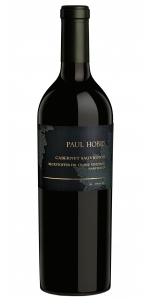
Paul Hobbs Beckstoffer Dr. Crane Vineyard Cabernet Sauvignon is made from 100 percent Cabernet Sauvignon.
Grown on the west side of St. Helena, this distinctive cabernet sauvignon clearly displays its origins with a rich garnet hue and sophisticated aromas of cacao bean, crème de cassis, and sweet tobacco on the nose. Layered, with a superb structure, the wine offers impressions of blueberry coulis, black raspberry, and savory herbs like Herbs de Provence. The weighty mid-palate unveils anise spice and a graphite mineral note that combines with a fresh acidity that extends the long finish.
Review:
Needing plenty of air to show at its best, the 2019 Cabernet Sauvignon Beckstoffer Dr. Crane Vineyard is a sensational, gorgeous Napa Valley Cabernet that delivers the goods like only this region can. Pure Cabernet magic on the nose, with deep blackcurrants, smoked tobacco, lead pencil, and a kiss of spring flowers as well as a beautiful Pessac-Leognan-like scorched earth character, it hits the palate with full-bodied richness, silky tannins, no hard edges, and a great, great finish. It's one of those wines that builds incrementally on the palate and it's only after the second or third sip that you realize how special this wine is. It also offers that rare mix of power and elegance that's the hallmark of all great wines. It needs a couple of hours in the decanter if drinking any time soon. Hats off to Paul Hobbs for an incredible Napa Valley Cabernet Sauvignon.
-Jeb Dunnuck 100 Points
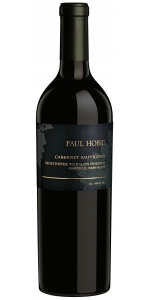
Paul Hobbs Beckstoffer To Kalon Vineyard Cabernet Sauvignon is made from 100 percent Cabernet Sauvignon.
Farmed with a unique precision to match the unparalleled terroir of this historic Oakville site, this vintage is ethereal, delicate, and nuanced. An attractive deep garnet in appearance, this wine expresses soft red cherry, strawberry, floral, and graphite. The palate is full and lively with flavors of blueberry, blackberry, sandalwood, and dried herbs, supported by a lovely grip of tannins and well-tensioned texture that leads to a long, refined finish.
Review:
More expressive and open-knit, the 2019 Cabernet Sauvignon Beckstoffer To Kalon Vineyard sports a similar ruby/purple to go with an incredible array of black raspberry, cassis, flowery incense, orange blossom, smoked tobacco, and exotic spice. As are all To Kolans, it's incredibly perfumed and complex aromatically, and it's one of those wines that changes every time you come back to the glass. Full-bodied on the palate, it offers beautiful richness and depth, a light, graceful mouthfeel, silky tannins, and a heavenly finish. It's another magical wine from this talented winemaker that readers will absolutely love.
-Jeb Dunnuck 99 Points
In the far northwest corner of the Sonoma Coast appellation, near the town of Annapolis, the vineyard sits just five miles from the Pacific Ocean, and provides a poignant setting for producing pinot noir with elegance, great precision, and intensity.
Review:
-James Suckling 97 Points
- Jeb Dunnuck 97 Points
“The true character of a site is only revealed through the work and determination of tending each vineyard with meticulous care and vinifying with minimalist winemaking techniques that fully express the terroir.” – Paul Hobbs
In 1991, pioneering winemaker Paul Hobbs established Paul Hobbs Winery. The Paul Hobbs Katherine Lindsay Estate in Sebastopol, California, purchased in 1998, would later be the site of his Howard Backen designed winery, completed in 2003. The winery exemplifies his vision and dedication to sustainability and his on-going quest to refine the art of winemaking with minimal intervention, yet meticulous care. Our vineyard designate and appellation wines are a pure expression of our interaction with nature and place, featuring Chardonnay (Russian River Valley, Sonoma Mountain), Pinot Noir (Russian River Valley, Sonoma Coast, Carneros) and Cabernet Sauvignon (Napa Valley).

All older vintage wines have been purchased from a single collectors cellar. Pictures can be requested before shipment.
Ferrata Ceneris Etna Bianco is made from 80% Carricante and 20% Catarratto.
Straw-yellow with greenish nuance. Hints of green apple,white peach and aromatic herbs. Pleasant flavor and freshness.
Ideal with shellfish, raw fish or preparations with more intense flavors, fresh and semi-aged cheeses.



