
" We don't sell the wine without touching the vine "
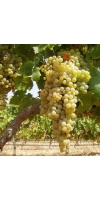
Pedro Ximénez is a white wine grape variety that is also known by the terms “Pedro Gimenez” or “PX.” This variety is cultivated in South America and is said to have been introduced in the Canary Islands before being transported to Germany. It is said that the variety was introduced to Jerez by a soldier names Pedro Ximenez, who served in the Navy of King Charles the Fifth. The “Pedro Gimenez” variety is the most planted grape in Argentina and is used to craft fortified wines in the region of Jerez. This variety however, is different from the variety grown in Spain. The grape type is grown in Australia for Apera wines and can be blended to craft dessert wines. It is also used in Chile, Spain and is grown sparsely in California. The Pedro Ximénez variety features small round berries that are thin-skinned. Pedro Ximenez in Argentina produces fruit earlier in the year and contains leaves with three lobes. Wine made from the Pedro Ximenez grape typically pairs well with sweet desserts, such as rice pudding, caramel, an ice cream sundae, or Asian black sticky rice. The wines crafted typically use a process of drying out the grapes until they are almost raisin-like, and then taking the juice through other fermentation and aging processes. The taste of Pedro Ximenez features figs, dried fruits, or toffee.
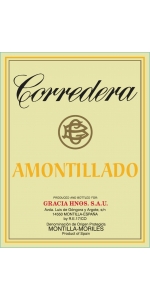
Wine produced from grapes coming from the best vineyards from Sierra de Montilla and Moriles Alto (top quality area)
Aged in American Oak for 8 years
Color: Amber color with some topaz reflections.
An intense and elegant expression from the oxidative ageing process, with some dry fruits characters. The aromas are reminiscent of its ancestor - Fino. Velvety, warm, round and well-structured on the palate with almond flavors. A well-balanced wine.
Wonderful as an aperitif and to accompany soups and consommés. Extremely good where its distinctive taste adds unique character to a wide range of dishes. Try also with marinated meats and selfish as aperitif.
Charles Heidsieck Vintage Brut is made from 57% Pinot Noir, 43% Chardonnay.
A beautiful golden robe offers glints of green accentuated by a delicate, dynamic effervescence. The initial nose introduces intense toasted and smoky notes along with ripe fruit. When swirled in the glass, the nose takes on a heartier dimension with touches of apricot and vineyard peaches. The aromatic concentration, due to a heat wave of several weeks, is reminiscent of the summer sun. The attack is taut and decisive. the creamy texture, the crisp fruitiness and spiced notes of cinnamon, licorice and pepper are the hallmark of the House style.
Review:
Aged for eight years on the lees before disgorgement, the Champagne is deliciously toasty with acidity and fine dryness.
-Wine Enthusiast 96 Points
Disgorged in January of 2023, the 2013 Champagne Millésime Brut was the last vintage from the cellar master for Heidsieck prior to Cyril Brun. The 2013 Champagne Millésime Brut is a bright straw yellow color and is based on the crus of Les Mesnil, Avize, Averney, and Aÿ. It’s fresh with aromas of wet stones, fresh quince, and fresh jasmine flowers. It has a chalky and focused texture, with ripeness to balance it out, and a long, graceful finish. At this stage, it feels more forward with 57% Pinot Noir and the rest Chardonnay. A more mineral-tinged expression, it has a lot of charm and the promise of longevity over the coming two decades. Drink 2024-2044. It will be interesting to see how the Pinot shows itself over time. 8 grams per liter dosage.
-Jeb Dunnuck 95 Points
'Belle Côte', French for “Beautiful Slope”, was named by Sir Peter after the famous ski run in Courchevel, France. The oldest of the four Knights Valley Estate Chardonnay vineyards, ‘Belle Côte’ consistently exemplifies the potential of crafting exceptionally high-quality Chardonnay from our mountain vineyards. Planted at 1,700 to 1,800 feet (518 to 549 meters), Belle Côte has a southeastern exposure and a western border of native trees, which shelter the vines from the hot afternoon sun. These unique attributes create a naturally cool microclimate that provides an extended growing period and slow-ripening fruit, resulting in a later picking schedule that often continues into October (two to three weeks longer than most Chardonnay vineyards in Napa and Sonoma Counties).
The combination of a wet winter with significant rains in December through March and cool weather delayed budbreak nearly a month. Flowering and fruit set were also pushed back and the weather during the later flowering was favorable resulting in decent fruit set and slightly above average yields for the Chardonnay vineyards—a marked improvement over the record-low yielding 2022 vintage. The growing season was temperate without major heat spikes allowing the berries to hold onto their acidity which carried through into the wines. Harvest was almost a month later than normal with the last Belle Côte block coming in on November 2nd.
As the oldest of the four Peter Michael Winery estate Chardonnay blocks, 'Belle Côte' exemplifies the consistent quality of Chardonnay these mountain vineyards produce. Due to the naturally cool climate of the site’s high elevation, and mitigated exposure to the hot afternoon sun by its southeastern exposure and a stand of trees on its western border, the vines are allowed to slowly ripen. The growing season for Belle Côte typically extends into October, two to three weeks longer than most Chardonnay vineyards in Napa and Sonoma Counties.
With highly expressive aromatics of orange blossom, jasmine, candied orange peel, and rose petal, the 2023 'Belle Côte' showcases its unique terroir and thirty-three-year-old vines with a rich, creamy entry, dense, broad, juicy mid-palate and a lengthy, refined finish. There is a seamless quality to this wine that matches power, gras, and intensity with structure and weightlessness. The 2023 'Belle Côte' can be enjoyed in its youth or after many years of cellaring.
Review:
This extraordinary estate-grown wine from a great vintage is super vibrant, energized and tangy, with vital acidity supporting luscious ripe pear and apple flavors on a silky texture. Can't think of anything it lacks. Seamless, layered, yet structured and fresh, boding well for longer-term aging. It has a melts-in-the-mouth quality and an extra long finish. Drinkable now and best from 2030.
-James Suckling 100 Points



