
" We don't sell the wine without touching the vine "
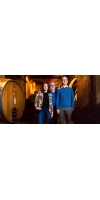
Pio Cesare has been producing wines for 135 years and through five generations in its ancient cellars in the center of the town of Alba.
The Pio Cesare winery was founded in 1881, by Cesare Pio. He was a very successful entrepreneur and was inspired to produce a small and select quantity of wines from the hills of Barolo and Barbaresco for himself, his family, friends, and customers. Cesare Pio was dedicated to the terroir of the Piedmont region and to producing wines of the highest quality.
Over the years, Cesare Pio built a thriving business.
His entrepreneurial spirit encouraged him to travel throughout Europe in the early 20th century to publicize and promote Pio Cesare’s wines. His passport, which is proudly displayed at the winery in Alba, bears the number 55.
His son, Giuseppe Pio, the second generation, found himself with a thriving winery at the turn of the century. He carried on his father’s passion and invested in expansion of the cellars and the trade, making Pio Cesare a benchmark brand for the wines of the region.
In 1940, Giuseppe Pio’s only child, Rosy, married Giuseppe Boffa, a young and well-known engineer from Alba, who managed a large company in Milan at the time.
Then Italy began to struggle during the Second World War,Giuseppe Boffa decided to leave his job in Milan to dedicate himself to the Pio Cesare winery.
Thanks to his efforts, the Pio Cesare brand gained fame and prominence both domestically and internationally, becoming one of the most respected names among Italian wine producers, with a special focus on its renowned Barolo.
Rosy and Giuseppe Boffa named their youngest son Pio, in honor of his great-grandfather’s surname. Pio Boffa, the fourth generation, leads and directs the company today.In the early 1990’s Pio Boffa asked his cousin Augusto to join him in the company.
His sister’s son, Cesare Benvenuto, has been active since 2000 as the fifth generation and recently Pio Boffa’s daughter, Federica Rosy, joined Pio Cesare, representing the future of the Family.
Today, the family members travel extensively to more than 50 countries around the world, echoing what Cesare Pio himself did at the beginning of our history—promoting the name and reputation of the Pio Cesare winery to restaurants, hotels, wine shops and wine lovers worldwide.
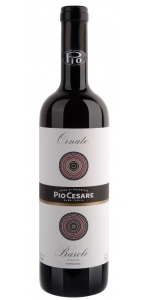
Pio Cesare Ornato Barolo is made from 100 percent Nebbiolo.
Vineyards
The very first Single Vineyard Barolo produced by the Pio Family, for the first time in 1985. Great structure, power, concentration, with a very long life. Produced in small quantities.
Vinification
In stainless steel tanks at high temperatures. Maceration for 30 days. Ageing In large oak “botti” for about 30 months; a small amount in French oak barriques for the first 12 months.
Review:
Complex on the nose, offering a blend of ripe red berries, nutty minerals, orange-peel and spice. Some savory, almost meaty notes, too. Full, compact and intense, yet there’s a graceful feel to the palate, thanks to the really fine web of tannin. Super polish and promise here. Classy. Needs some time.
-James Suckling 96 Points
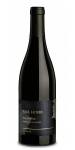
Paul Hobbs Russian River Pinot Noir is made from 100 percent Pinot Noir.
Sourced predominately from the estates that are defined by their proximity to the coast and Russian River climate, the wine displays vivid crimson and aromas of violet, Morello cherry, and black tea. Velvet tannins on the palate ride along a juicy backbone of flavors such as cranberry, Blood orange, and Damson plum. The finish is long, powered behind a crisp acidity and appealing red clay-like minerality.
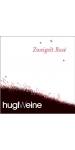
Despite its relative youth, Zweigelt is actually an Austrian classic. This variety was created in 1922, when Dr. Fritz Zweigelt crossed two grapes - St Laurent and Blaufränkisch. Originally, it was intended for the new variety to be called Rotburger, referring to the place where it was born, Klosterneuburg. But this name never took hold, and instead, Zweigelt was named after the man who was the key in its development.
Today, Zweigelt is the most widely planted red variety in Austria, growing in nearly 9% of this country's vineyards. It is a robust grape, highly resistant to dryness, frost and various diseases.
The wine boasts a pale rosé color, it has plenty of fruity aromas, with red cherry and wild strawberry flavors. It is medium-bodied, but it still have a nice long and pleasant finish with a light cinnamon type of spice to it.
Only the best grapes are harvested with a lot of experience and know-how and further processed. The grapes are fermented directly gently pressed and cooled. The fermentation takes place exclusively in stainless steel tanks.
Perfectly at home on any picnic, delicious with fried chicken, and tames the heat when paired with spicy dishes. There is also a slight watermelon note that makes it perfect for spring and summer. A great pairing with barbecued shrimp.



