
" We don't sell the wine without touching the vine "
I am a new customer.
By creating an account at Timeless Wines you will be able to shop faster, be up to date on an orders status, and keep track of the orders you have previously made.

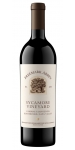
Freemark Abbey Sycamore Cabernet Sauvignon is made from
Wine Profile: Opaque dark ruby describes the color of this Rutherford wine. Black currant and Boysenberry notes dominate the aroma, with dark chocolate truffle, cocoa powder, Worcestershire sauce, cremini mushrooms and forest floor adding to the complexity. The oak adds the ideal amount of complexity with aromatic cedar, cinnamon and clove. The wine has great depth of black fruit flavor, with a strong expression of sweet black cherry. This full-bodied cabernet sauvignon has resolved tannins yet firm structure, with good acidity. Lovely long finish!
Primary Vineyard: Sycamore Vineyard—Rutherford (100%): Small 24-acre vineyard located about 1.2 miles south of Bosche, right up against the Mayacamas Range, this vineyard has a rich clay loam. Sycamore Vineyard produces small berries reminiscent of mountain fruit berries, with intense extract of color and flavor. The color is very dark early in the fermentation, with flavors of black currant and black berry with a forest floor complexity.
Review:
From a vineyard closer to the Mayacamas Mountains and first made in 1980, the 2016 Cabernet Sauvignon Sycamore Vineyards checks in as 88% Cabernet Sauvignon, 7% Merlot, and the rest Petit Verdot and Cabernet Franc. It spent 27 months in 66% new French. It offers more black fruits, earth, tobacco, cedar, and gravelly minerality as well as a touch more burly, masculine style on the palate. Nevertheless, it's still beautifully balanced, has considerable elegance, and a great finish.
-Jeb Dunnuck 95 Points
Deep garnet-purple colored, the 2016 Cabernet Sauvignon Sycamore Vineyards gives up powerful crème de cassis, dark chocolate-covered cherries, mulberries and baked plums scents with hints of lavender, camphor, pencil shavings and dusty soil. Medium to full-bodied, the palate is packed with rich, black fruits plus a beautiful perfumed undercurrent, framed by finely grained tannins and lovely freshness, finishing with a mineral lift. 1,989 cases were made.
-Wine Advocate 95 Points
Herbal, with characteristics of peppercorn, cedar and pencil shavings, this beautiful wine is also dusty and mineral-driven, with demure flavors of red and black currant. Full bodied and well structured, it shows an underlying softness that should continue to soften in the cellar. Enjoy best from 2026–2031.
-Wine Enthusiast 95 Points
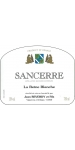
Jean Reverdy Sancerre Blanc is 100% Sauvignon Blanc
Single vineyard. Vinification: cold fermentation in stainless steel tank, no oak, no malolactic fermentation.
Sweet, fruity and clean. White flowers (acacia, jasmine) and citrus fruits aromas. Perfectly balanced.
A delicious wine, perfect with fish dishes, especially salmon, and a local goat cheese Crottin de Chavignol.



