
" We don't sell the wine without touching the vine "
I am a new customer.
By creating an account at Timeless Wines you will be able to shop faster, be up to date on an orders status, and keep track of the orders you have previously made.

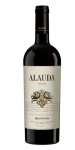
Ruffino Alauda Toscana IGT is made from 40% Cabernet Franc, 35% Merlot, 25% Colorino.
An elegant, full-bodied wine, Alauda is a harmonious sum of its parts. Rich with varietal flavors of plum and cherry from the Merlot and layered with ripe berry flavors from the Cabernet Franc, and unique balsamic and dark chocolate notes from the Colorino. The extended oak aging process integrates the blend while providing tertiary flavors of sweet spice and soft, elegant tannins for a lingering finish. This wine will age gracefully for decades.
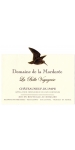
Mordoree Chateauneuf du Pape Rouge Dame Voyageuse Grenache 90 % Mourvèdre 4% Syrah 4 % Counoise 1% Vaccarese 1% .
La Dame Voyageuse - "the traveling lady" - is a more approachable version of the CDP La Reine des Bois. It is meant to be enjoyed early, compared to her sister cuvee which is made for the long run.
Dark ruby red, almost opaque. Aromas of red fruits (strawberry, cherry), violet and liquorice. Nice, fresh body; smooth tannins; long fruity finish.
Color : deep ruby red, opaque.
Aromas : red fruits, changing to touches of leather, black truffles and coffee.
Palate : fat, concentrated and full flavored with a very long liquoriced and fruity finish.
Ageing potential : 6 to 10 years.
Surface : 5 Ha.
Yield : 30 Hl./Ha.
Vineyard age: 60 Years
Terroir : Clay-siliceous on pebble stones
Harvest : by hand
Vinification : 100 % destemmed, long 30 days maceration with a maximum of 34° C temperature.
Estate bottled



