
" We don't sell the wine without touching the vine "
I am a new customer.
By creating an account at Timeless Wines you will be able to shop faster, be up to date on an orders status, and keep track of the orders you have previously made.

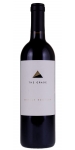
The Grade Cellar Kingly Project Cabernet Sauvignon is made from Napa Valley Cabernet Sauvignon.
"This is a noble expression of Cabernet Sauvignon" in full regalia, with decadent aromas and a mouthfeel viscous and sleek. "This vintage of the Kingly Project Cabernet Sauvignon enters the scene" -- Thomas Rivers Brown
Review:
The 2019 Cabernet Sauvignon Kingly Project is fabulous. A wine of vertical power and thrust, the 2019 soars out of the glass, showing magnificent intensity from start to finish. Black cherry, scorched earth, licorice, plum and chocolate give this substantial Cabernet tons of complexity. I would cellar the 2019 for at least a few years to allow the tannins to soften. -
- Antonio Galloni 97 Points
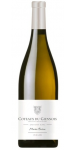
Marie Baron Coteaux du Giennois Blanc is made from 100 percent Sauvignon Blanc.
Coteaux du Giennois is an appellation in the upper Loire Valley, near Sancerre and Pouilly-Fumé. These hillside vineyards benefit from a continental climate with flint and limestone soils that give the wines their distinctive mineral character.
This wine presents a bright pale yellow color with aromas of citrus, white flowers, and flinty minerality. On the palate, it is crisp and vibrant with lively acidity, flavors of grapefruit and lemon, and a refreshing mineral finish.
Excellent with goat cheese, oysters, grilled fish, or fresh salads.



