
" We don't sell the wine without touching the vine "
I am a new customer.
By creating an account at Timeless Wines you will be able to shop faster, be up to date on an orders status, and keep track of the orders you have previously made.

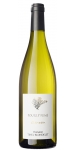
Tinel Blondelet Pouilly-Fume Genetin is made from 100 percent Sauvignon Blanc.
The soil is made of "caillottes" (limestone stones).
"Genetin" is a name given in homage to the original name for Sauvignon Blanc: Muscat Genetin. The Genetin bottling is normally reserved for the most powerful Cuvées in the winery. No oak.
Produced from 25 year-old vines coming from the Villiers limestone terroir, situated in Bouchot.
Traditional vinification in thermo-regulated stainless steel tanks. Following a gentle pressing the juice is then fermented at controlled temperatures before being left to mature on its fine lees to gain extra depth and concentration before bottling in the next spring.
Matured on fine lees bringing finesse to the wine and bottled late in order to let all its roundness evolve.
Yield: 55 hl/ha
A golden colored and mineral wine with elegance and finesse. Can be cellared for 2-3 years.
A mineral-laced smoky accent and citrus aromas. Elegant and powerful on the palate.
Food pairing: shellfish, goat cheese such as “Crottin de Chavignol”. Perfect also as an aperitif.
Review:
- Wine & Spirits (Regional Tasting Report, Spring 2022), 91 pts

Cortenova Pinot Grigio is 100 percent Pinot Grigio.
Brilliant straw color with emerald reflections.
Fresh and floral bouquet with a hint of pears, apricots and bananas. Fresh and inviting with bright fruit and an easy drinking style with a pleasing hint of almonds in the aftertaste.
Pairs well with seafood dishes, risottos with scampi, spaghetti with clams, sole in white wine Perfect also as an aperitif.



