
" We don't sell the wine without touching the vine "
I am a new customer.
By creating an account at Timeless Wines you will be able to shop faster, be up to date on an orders status, and keep track of the orders you have previously made.


Guillemot-Michel Vire-Clesse Charleston is made from 100 percent Chardonnay.
This cuvée is produced from hundred-year old vines that the great-grandfather planted after he returned from World War I. The family wanted to honor his memory and vinify these vines the same way he did, in old demi-muids.
Charleston is a deep and complex wine that gently express itself in the glass, offering juicy white fruit flavors and a lengthy finish.
Charleston is vinified and aged for one year in demi-muids of over 10 years old. During the following harvest, the wine is racked and placed in vats for another 6 months of aging before bottling.
Fish in white sauce, poultry in creamy sauce, hard cheeses.
Review:
The 2020 Viré-Clessé Charleston is the most structured, concentrated wine in the range, mingling notions of crisp orchard and stone fruit with scents of clear honey, white flowers, beeswax and mint in an inviting bouquet. Medium to full-bodied ample and satiny, it's layered and multidimensional, with impressive depth at the core, racy acids and chalky grip. Derived from the Guillemot family's oldest parcel of vines (dating back to 1918), it's built to age.
-Wine Advocate 94 Points
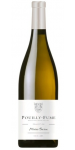
Marie Baron Pouilly Fume is made from 100 percent Sauvignon Blanc.
Pouilly-Fumé is one of the Loire Valley's most prestigious white wine appellations, located on the right bank of the Loire River across from Sancerre. The 'Fumé' in the name refers to the smoky, flinty character imparted by the Kimmeridgian clay and silex (flint) soils.
This wine displays a brilliant pale gold color with intense aromas of citrus, white peach, and the signature gunflint smokiness. On the palate, it is elegant and focused with mineral-driven acidity, flavors of green apple and grapefruit, and a long, precise finish.
Pairs beautifully with shellfish, sushi, grilled fish, or fresh goat cheese like Crottin de Chavignol.



