
" We don't sell the wine without touching the vine "
I am a new customer.
By creating an account at Timeless Wines you will be able to shop faster, be up to date on an orders status, and keep track of the orders you have previously made.

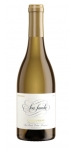
The grapes for this wine come from loamy, well-drained soils on our estate vineyard. Dijon and Wente clones are fermented in stainless steel and aged in French oak. This is an elegant chardonnay with a focused mid-palate and the refreshing cool climate acidity characteristic of Sea Smoke Vineyard.
Tasting Notes An elegant Chardonnay with aromas of lemon curd, star fruit, fresh cut peach and wet stone. Complemented by satsuma mandarins and a touch of hazelnut in the focused mid-palate and the refreshing cool climate acidity of our estate vineyard. Winemaking Our estate-grown Chardonnay fruit was picked and hand-sorted in the vineyard before spending the night in our cold room. Chilled grapes were softly pressed and the juice was gently pumped into a stainless steel tank and cold settled. Once the heavy solids were removed, the juice was racked to a stainless steel fermenter, then inoculated for primary fermentation. Following primary fermentation, the wine was racked to barrels, inoculated for malolactic fermentation, then periodically stirred to enhance depth and mouthfeel. The 2023 Sea Smoke Chardonnay was aged for a total of 10 months prior to bottling with no fining and no filtration.
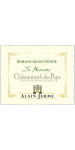
Grand Veneur Chateauneuf du Pape Blanc Le Miocene is made from 60% Clairette, 40% Roussanne
Pale yellow colour with hints of green, aromas of white flowers (may blossom, honeysuckle).
The palate is pleasantly balanced between liveliness and roundness, which brings out characteristics of dried apricot, honey and elderberry. A Châteauneuf du Pape white displaying a great finesse.
Best between 1 and 8 years.
Soil type Coming from the single vineyard named “La Fontaine”, the plot is facing north.It is made of clay-sand and limestone. Thanks to the northern orientation, it is always very well aired. This sector allow the Roussane and Clairette to mature in great conditions without losing freshness, which we believe is key point. Winemaking & ageing Whole-bunch pressing. Vinification in stainless-steel tanks. Fermentation temperature controlled at 15°C.



