
" We don't sell the wine without touching the vine "
I am a new customer.
By creating an account at Timeless Wines you will be able to shop faster, be up to date on an orders status, and keep track of the orders you have previously made.

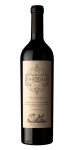
Enemigo El Enemigo Gran Enemigo is made from 100% Cabernet Franc.
In the spectrum of people who pay attention to detail, winemakers are often incredibly detail-oriented. This can sometimes spill over to become an internal battled, and, as Alejandro Vigil and Adrianna Catena state, "We are our own worst enemy." El Enemigo pays homage to this internal struggle.
The nose presents sweet aromas of black ripen fruits with hints of vanilla and chocolate, which appear after the oak ageing. The mouthfeel is sweet with structured, persistent tannins due to the natural acidity of this wine, leading into an excellent long finish.
Review:
The nose of the 2018 Gran Enemigo El Cepillo Single Vineyard, from a low-yielding and drier year, is full of curry, a note that was a constant across the three vintages I tasted together, but it tends to be stronger in low-yielding and dry years like this. It's also floral and comes through as aromatic and a little exotic, in a good way, with elegance, persistence and very pure flavors. It has fine-grained tannins, great acidity and balance. 7,200 bottles. All these single-vineyard bottlings mature in ancient 4,000-liter oak foudres for some 15 months.
-Wine Advocate 97 Points"Pretty and inviting on the nose with gorgeous aromas of floral violet, cassis and completed with a lifted, delicate liquorice note. The palate is graced with deep herb, pepper, crunchy red fruit and graceful, silky tannins."
-Decanter 97 Points
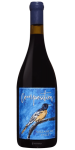
Composition is a remarkable collaboration between Bertrand de Villaine, co-owner of Domaine de la Romanée-Conti, and Katrina Rank, a talented Oregon-based winemaker. Together, they bring a uniquely Franco-Oregonian perspective to Pinot Noir, merging Burgundian philosophy with the vibrant expression of Willamette Valley terroir.
The fruit is sourced from carefully selected vineyards in Oregon's Willamette Valley, where the cool maritime climate and volcanic soils produce Pinot Noir of remarkable finesse and complexity. Aged 10 months in oak barrels with 30% new oak, the wine is crafted to highlight purity of fruit while allowing gentle structural support. 13% alcohol.
The Composition Pinot Noir delivers a light and perfumed style with layers of red cherry, wild strawberry, and subtle floral notes, supported by fine-grained tannins and bright, refreshing acidity. A wine of elegance and restraint that reflects the harmony between two great winemaking traditions.



