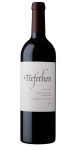
Klipsun Cabernet Sauvignon Red Mountain is made from 84% Cabernet Sauvignon, 4% Merlot, 4% Malbec and 8% Syrah.
The 2017 vintage started out with a cool, wet winter, with significantly above average snowfall in eastern Washington. Red Mountain had a 24% increase in rainfall in 2017 over the 10 year average. Going into spring, the cool trend continued. As a result, bud break at Klipsun was behind the historical average and significantly behind the most recent warm vintages of 2013 2016. Bloom was also slightly delayed. Because of the cool weather, set was lighter than usual which translated into significantly less fruit in 2017.
The early part of the summer saw average temperatures followed by above average temperatures in July and August. As a result, he at accumulation was a bit above average for the season, despite the cool start. And because of the smaller than normal yield, harvest began right on schedule, perhaps even a bit early for some of the whites. In the second half of September, when Klipsun traditionally harvests all the reds, the temperatures cooled considerably, which delayed ripening. This allowed for luxurious amounts of hang time without the threat of increased sugar accumulation, stretching harvest into the first week of October. A s a result, all fruit going into the 2017 Klipsun Cabernet Sauvignon could be picked at perfect sugars levels with great fruit maturity and flavors. Overall, the quality of t he 2017 harvest is as high as the 2016. However, the style is slightly different. The 2017 wine has a firmer structure, more spice & mocha in the nose and will take a few mo re years than the 2016 to reach a perfect balance between fruit and tannin.
Review:
The 2017 Cabernet Sauvignon Red Mountain is composed of 84% Cabernet Sauvignon, 4% Merlot, 4% Malbec and 8% Syrah, which immediately emanates with aromas of dark roasted espresso bean, toasted oak, dried tobacco and dusty black fruit tones of cassis, currant and blackberries covered in dark cocoa powder. Full-bodied, generous in complexity and still tight in the mouth, the wine unpacks layers of cedar and vanilla tones with dusty purple flowers and bitter dark chocolate across the mid-palate, giving way to fine-grained tannins that will loosen with time. As the wine sits on the palate, the 100% French oak regimen is on full display for all to see. The wine lingering long and continues to evolve in the mouth, ending with a drying finish that highlights the oak and terroir. It’s still a baby, and I would keep it in the cellar for another few years before popping the cork—this will effortlessly coast for more than a decade. The 2017 vintage marks the second release of this wine, with 6,300 bottles produced. It comes from its namesake vineyard, first planted in 1984 on Red Mountain. I’m keeping my eye on this producer. I’m impressed, and even though the oak may be a bit much at the moment, it's still delicious. - Wine Advocate 94+ Points
Crianza is the essential wine. Balance and integrity. It displays the fine manners of experience and the grace of plethoric vine. Juicy black fruit on the palate inviting you to eat well and feel good.
But there is more. Crianza maintains an invisible pact with the landscape. An imperceptible force that brings us closer to the truth of the place. And instantly turns extreme climate vineyards into the most welcoming place in the world.
Prepared with Tempranillo grapes (100%), this wine has a very bright, intense maraschino cherry colour that fades to a Cardinal red rim.
It has a very marked aroma with a good balance of fruit and wood, where tones of vanilla intermingle with well-ripened fruit, black berries and wild fruits. There are also noticeable hints of leather and liquorice, resulting from the mingling of the French oak and the aromas inherent in this variety of grape.
In the mouth, the wine has a smooth texture but fills the palate with balanced flavours, including fine tannins, which help extend the life of the wine. The finish and aftertaste are both long and elegant.
Vineyard:
Pago de los Capellanes, Pedrosa de Duero.
Variety composition:
100% Tempranillo.
Type of soil:
Clayey and chalky.
Aging:
12 months in barrel and remainder on rack.
Type of oak:
100% French oak, medium toast.
Serving:
Uncork and decant one hour before serving at a temperature of 16-18 ºC.
Selected harvest with yields limited to 5000 kg per hectare. The harvest begins in early October, starting with the most mature parcels. Once the grapes are brought into the winery, the tanks are seeded with indigenous yeast (start culture) and the alcoholic fermentation begins. During the barrelling period, which lasts 30 days, the wine is crushed and pumped over daily, all the while controlling the density, temperature and evolution of the yeast. At the end of this fermentation, the tanks are emptied and the wine taken for malolactic fermentation.
The malolactic fermentation begins without the addition of bacteria. The temperature is held steady at 20ºC for period of 22 days, during which we monitor the levels of malic and lactic acids. When the malic acid content is less than 0.1 grams per litre, the wine is decanted to separate the lees and is transferred directly to the barrels without undergoing any type of filtration, clarification or cold treatment.
The wine is aged for twelve months in new and semi-new French oak barrels (no more than three years old). At the end of this period, it is taken to the tank for homogenisation, where it undergoes light filtration through cartridges (open pore) and is then bottled.