
" We don't sell the wine without touching the vine "
I am a new customer.
By creating an account at Timeless Wines you will be able to shop faster, be up to date on an orders status, and keep track of the orders you have previously made.

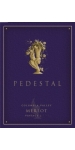
Michel Rolland, Pomerol vintner and consultant to many of the world's top wineries, teamed with Washington State wine visionary Allen Shoup to produce this limited release wine.
With its intense color and inviting aromas of dark berries, licorice, baking spice and a hint of smoke, the Pedestal is a bold wine that leaves a lasting impression. Dark fruit flavors integrated with sweetness from the barrel and richness from the tannins come together seamlessly, lingering across a structured mid-palate and lengthy finish.
Winemaking: Hand-harvested grapes were double-sorted to remove green material that might impart harsh tannins, then most of the lots were cold soaked to build richness and flavor before undergoing whole-berry fermentation in 55L upright French wood tanks. This, combined with gentle pump-overs throughout fermentation, enhanced the wine’s color, texture and mouthfeel. The finished wine was aged 22 months in 85% new French oak barrels.
Review:
"I loved the 2014 Pedestal Merlot and it’s 81% Merlot, 15% Cabernet Sauvignon, 2% Malbec and 2% Petit Verdot. It offers a downright voluptuous and incredibly sexy style in its ripe black currants, toasted spice, chocolate and licorice aromas and flavors. Broad, expansive, layered and pleasure bent, with ripe tannin, it's a knockout Merlot that's going to have 10-15 years of drinkability. - Jeb Dunnuck"
- Robert Parker's Wine Advocate (Issue #231, June 2017), 95 pts
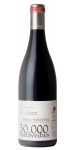
Maranones 30.000 Maravedies Vinos de Madrid Sierra Gredos is made from 90% Garnacha and 10% local grape varietals called Morenillo (Morate).
“The first of our red wines would be 30,000 maravedíes, which is our Comarca wine, a regional wine, village wine.
30,000 maravedíes is the coming together of all soils, orientations, dominantly Garnacha at 90 percent with a remaining 10 percent of local grapes.
The name also reflects the union between history, the winery, the structure and the place. Álvaro de Luna paid 30,000 maravedíes to buy the whole region from the monks who fostered the cultivation of the vine. It is a historical name. It refers to what was paid for the Valley and pays homage to the Valley. It also evokes what the monks had developed. This history is part of our heritage and we continue it.
This village wine wants to tell you the whole history of the Valley. At the end it delivers a structure tending towards the mineral, the floral, length, fruitiness and ease of drinking.”
30-70 year-old vines produce a vibrant, fresh wine that boasts juicy red berry, wild herb, flower and balsamic flavors with hints of sweet spice. Smooth tannins provide finesse and longevity.



