
" We don't sell the wine without touching the vine "
I am a new customer.
By creating an account at Timeless Wines you will be able to shop faster, be up to date on an orders status, and keep track of the orders you have previously made.

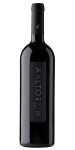
Aalto P.S. Pagos Seleccionados Tinto is made from 100 percent Tempranillo.
Climatic conditions
The farming year began with a mild autumn and little precipitation. A very dry winter started with -9ºC reaching at the end higher temperatures than normal for that time of the year. Spring and summer characterized by little rain, only some rain showers in July and late August avoided the hydric stress of the vines. The vegetative cycle of the vine developed with big variations of temperatures, alternating warm and atypical low temperatures of 4ºC for mid-June. The ripening of the grapes happened under very good conditions and the harvest started on 24th September 2019.
100% Tinto Fino (Tempranillo) primarily from very old vines – 60 to 90 years old – from selected plots in La Horra and La Aguilera. The harvest was done by hand, in small boxes of 15 kilos that are thoroughly inspected, bunch by bunch, on the selection table.
Tasting notes
Review:
Lots of depth here, with ripe blackberries and some nicely baked black cherries, roasted herbs, incense, dark spices, mussels and a balsamic tinge. An admirably fine dollop of tannins on the palate, which are immaculate and juicy, as they thoroughly dunk into the black fruit, melting into a persistent finish that lasts for over a minute. Very impressive. Drink or hold.
-James Suckling 96 Points
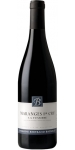
Bachelet Bertrand Maranges Rouge Premier Cru Fussiere is made from 100 percent Pinot Noir.
The Maranges appellation is the youngest of the Côte de Beaune family, making its debut in May 1989. It spans three villages, namely Dezize-lès-Maranges, Cheilly-les-Maranges and Sampigny-les-Maranges. Several hills and slopes make up this appellation, all south/south-east-facing.
'La Fussière' is one of the Premier Cru vineyards of the Maranges appellation, known for producing wines of great elegance and finesse.
The wine displays a beautiful ruby color with garnet hints. The nose offers aromas of red fruits, cherries, and subtle earthy notes. On the palate, the wine is elegant with fine-grained tannins and good length.
Excellent with grilled meats, duck, or mushroom-based dishes.



