
" We don't sell the wine without touching the vine "
I am a new customer.
By creating an account at Timeless Wines you will be able to shop faster, be up to date on an orders status, and keep track of the orders you have previously made.

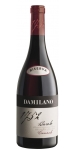
“1752” is the name of the Damilano Barolo Cannubi Riserva, in honor of the year in which the historic bottle was first marked “Cannubi”. It still exists today perfectly conserved by the Manzone family in Bra, close to Barolo. The bottle is clearly marked as being of “1752” vintage, indicating that Cannubi historically precedes Barolo.
About the Vineyard:
The Cannubi Cru is in found within one of the 6 core zones which comprise a UNESCO heritage site in Italy. A mixture of Tortonian and Helvetian calcareous marl gives the grapes intense aromas of cherry, plum and tobacco, rose and violet in sequence. Its low potassium and high calcium/magnesium content offer the wine a fine and polished touch. The vineyard is located at about 270 m. a.s.l. and has a south-east sun exposure. Barolo Riserva Cannubi 1752 It is a small plot of about 2 hectares of Nebbiolo vines, currently between 30 and 50 years of age.
Tasting Notes:
Garnet ruby red in color, the bouquet is intense and balanced, with notes of violet, red fruit, cherry and plum, spices, liquorice, cocoa, leather and tobacco. Dry, robust, full-bodied, very persistent, rich and velvety
Food Pairing:
This wine is excellent with typical piedmontes pasta (tajarin, ravioli); perfect with red meat, braised and roast meat, game and absolutely ideal with all types of cheeses.
Review:
The purity of this wine is pretty phenomenal with blackberries, strawberries, fresh flowers and licorice. Hints of tar. It’s full-bodied, yet composed and compact with ultra fine tannins and a long, flavorful finish. Very structured. Try after 2024.
-James Suckling 97 Points
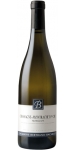
Bachelet Bertrand Chassagne Montrachet Blanc Premier Cru Morgeot is made from 100 percent Chardonnay.
The Chassagne-Montrachet appellation is located in the southern part of the Côte de Beaune and produces mainly white wines. 'Morgeot' is located in the south of the village, characterized by compact limestone soil containing iron oxide, which gives the soil its particular red-brown color.
The wine offers a golden color, a subtle nose of white flowers and honey notes. Full-bodied and well-structured on the palate.
The softness of the Chardonnay on the palate makes an interesting pairing with cooked foie gras; it also sits well with lobster, spiny lobster, or even morel mushroom dumplings or Bresse chicken in a cream sauce.



