
" We don't sell the wine without touching the vine "
I am a new customer.
By creating an account at Timeless Wines you will be able to shop faster, be up to date on an orders status, and keep track of the orders you have previously made.

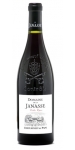
Domaine de la Janasse Chateauneuf-du-Pape Cuvee Vieilles Vignes is made from 65% Grenache, 20% Mourvèdre, 10% Syrah, 5% divers.
In contrast to Chaupin, which is made from old-vine Grenache on sandy soils, the cuvée Vieilles Vignes is from old vines of Grenache, Mourvedre, Syrah along with smaller percentages of other permitted varieties that are grown in these old vineyards. The wine is sourced from 4 terroirs: pebbly clay, sand, gravelly red clay and sandy limestone. Vieilles Vignes is always the most powerful and concentrated Châteauneuf-du-Pape cuvée made at Domaine de la Janasse.
Review:
The advantages of old vines are perhaps most evident in the more difficult vintages (whether hot and dry or cool and rainy). The 2021 Chateauneuf du Pape Vieilles Vignes is a strong effort, delivering supple, velvety waves of ripe black cherries and black raspberries. Medium to full-bodied, it's rich and concentrated without seeming at all heavy or unbalanced, finishing long and juicy. It's approximately 75% Grenache, 15% Mourvèdre, 5% Syrah and 5% other varieties, keeping in mind that up to 15% of the old Grenache vines are actually Clairette Rose.
-Wine Advocate 96 Points
Vinsacro Rioja Blanco is made from 60% Chardonnay, 40% Viura.
Aged 7 months in oak barrels of 225 liters
The grapes come from vineyards located in Grávalos, on the southern slopes side of Mount Yerga at the foothills of the “Cordillera Ibérica” at an altitude of between 700 and 800 meters. A very high located area where you obtain fresh wines with little graduation, with very fine and elegant aromas.
Bright straw yellow color, intense aromas and elegance with outstanding floral and fruity notes. After some time in glass balsamic and spicy aromas with toasty notes rise, due to aging in oak and bottle maturation. Very cool and structured with an unusual power for a white with a variety of flavors ranging from citrus to balsamic. A white wine that is full of surprises and capable of taking on many years in the cellar.
Vinsacro white has a long aging potential and presumably will have a positive development for 20 years.
The Chardonnay grape is harvested during the second or third week of October. The Viura grape in the first two weeks of October.
The collection of the grapes is done manually.
The selected must will go through the fermentation in American oak barrels of 225 liters with medium toast, remaining in the barrel with its lees for seven months before being removed with a daily battonage, daily at first and then more sparingly.
Pairs great with roast lamb, grilled vegetables.



