
" We don't sell the wine without touching the vine "
I am a new customer.
By creating an account at Timeless Wines you will be able to shop faster, be up to date on an orders status, and keep track of the orders you have previously made.

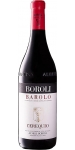
Boroli Cerequio is made from 100 percent Nebbiolo.
The Boroli family is a family of entrepreneurs, with roots in Piedmont dating back to 1831. The family started their winemaking business in1997, when Silvano and Elena Boroli felt an ardent desire to step away from the pressures of their publishing business and reconnect to nature. Silvano and Elena grew the company until their son, Achille, stepped in to run the wine-growing and production business in 2012.
With the 2012 grape harvest Achille decided to radically change the methods used in vineyards and wineries, aiming for the highest quality in Barolo and its crus. He cut production levels, updated the winemaking technology, and focused on low intervention methods to raise the quality of the Boroli wines be on par with the finest Barolo wines.
About the Vineyard
The Cerequio cru lies just across the valley from the Boroli winery in the commune of La Morra and is considered one of the most prestigious sites in the Barolo DOCG zone. It is known to produce Nebbiolo wine of enormous elegance and finesse.
Wine Production
Cerequio is distinguished by a careful selection of grapes, precise destemming, and a long maceration with submerged cap.
Tasting Notes
A clear bright ruby color with very light garnet red reflections; intense and persistent aroma of red fruit with notes of plum and cherry. A pleasant aroma of wood is noticeable after the fruity aroma, anticipating the full taste of a great wine suitable for long lasting life. A succulent, rich, full-bodied and pleasant taste emerges after the woody one, with the presence of slightly ripe red fruit.
Food Pairing
Thanks to its viscosity and body, Barolo is the ideal wine to pair with elaborate dishes and dishes like truffle dishes, meat dishes, pasta with porcini mushrooms, game, and aged cheeses. Cerequio is also perfect with dry pastries or chocolate.
Review:
Precise and essential, it displays notes of lavender, hibiscus, violet, white pepper, lime, jasmine flowers, and elderberry. Medium body, perfectly ripe, fine-grained tannins, and a juicy finish that displays smoothness and relaxation. Beautiful right away, it will only improve from 2024 onwards. One of the best Barolos tasted in the 2019 vintage.
-WineCritics.com 96 Points
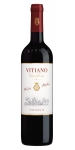
Famiglia Cotarella Falesco Vitiano Rosso Umbria is made from 34% Sangiovese, 33% Merlot, 33% Cabernet Sauvignon.
The wine has an intense red color with violet reflections. The aroma has fruity notes in great balance with the sweetness of the wood. The taste is strong, round, pleasant with a rich and harmonic finish.
Review:
James Suckling 90 Points



