
" We don't sell the wine without touching the vine "
I am a new customer.
By creating an account at Timeless Wines you will be able to shop faster, be up to date on an orders status, and keep track of the orders you have previously made.

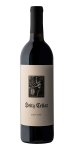
The origin of Lot C-91 began in the fall of 1969 when Joe Heitz created this one-off cuvée, which was very normal in those days, as a more premium version of his already iconic Napa Valley Cabernet Sauvignon bottling. Joe envisioned Lot C-91 as a greater step up in quality from the Napa Valley Cabernet Sauvignon, with a higher quality of fruit sourcing, coming exclusively from the sought-after single vineyards of Heitz Cellar.
Lot C-91 is the culmination of 50 years of tireless effort, trial and error, and the continual desire to make a unique expression of the heralded vineyards of Heitz Cellar.
Review:
Wow. Such a racy and exciting nose! This is quite agile and nimble, full of red and blue berries in the forefront, then complemented by spiced orange, earl grey, red plums, potpourri, savory plums and chocolate. Tense and elegant on the palate, which is all about succulent red berries, nuance and texture. Nothing redundant here. A great Napa cabernet sauvignon that has real definition. A beauty by all accounts!
-James Suckling 96 Points
In 1969, Heitz produced a one-off cuvée called Lot C-91. It was thought of as an elevated version of the Napa Valley Cabernet – a 'best of the best' blend from sites throughout Napa. After a bottle of the '69 turned up and turned heads at a Heitz wine dinner, the winemaking team decided to produce a modern iteration. It's comprised of vineyards in four AVAs: Rutherford (34%), Oakville (34%), Howell Mountain (17%) and St Helena (15%). The dazzling nose instantly shows off the component from Martha's Vineyard and on the palate it walks the line between succulent, powerful, herbal and floral, showing none of the heat of the 2017 vintage. As of June 2020, this was still a barrel sample, while many Napa 2017s are already on the market.
-Decanter 96 Points
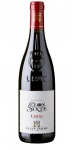
Alain Jaume Domaine du Clos de Sixte Lirac is made from 50% Grenache, 35% Syrah, 15% Mourvedre
An intense red garnet color. On the nose, aromas of red and black ripe fruit (kirsch and wild blackberry). The mouth is full, with aromas of blackcurrant liqueur and spice. Tannins are both harmonious and elegant thanks to the fleshiness of the wine. Hints of licorice and vanilla on the finish, which gives the wine length and complexity.
Soil type LIRAC vineyard is facing Chateauneuf du Pape, opposite side of the Rhône river. As showed by the picture and following geologist George Truc, soils are almost similar in both side. They are marked by the violence wrought by the Rhone river. It consists of a layer of marine molasses of the Miocene period covered by alpine alluvium. The presence of a great number of rounded stones known as "galets" in the earth is evidence of the time when the Rhone, then a torrent, tore fragments of rock from the Alps and deposited them on the plain. LIRAC is one of the up-coming best area from the southern Rhône valley, as it delivers outstanding wines. Winemaking & ageing Traditional wine-making in stainless still vats. Hand sorted bunches, crushed and destemmed grapes. Fermentation temperature : 30°C. 18 days of vatting with pigeages.



