
" We don't sell the wine without touching the vine "
I am a new customer.
By creating an account at Timeless Wines you will be able to shop faster, be up to date on an orders status, and keep track of the orders you have previously made.

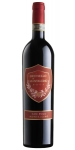
Poggio San Polo Podernovi Brunello di Montalcino is made from Sangiovese.
Intense ruby red in color with garnet hues, clear and glossy. The bouquet exhibits typical aromas of violets and small red berries. Subtle nuances of forest undergrowth, aromatic wood, a touch of vanilla and jammy mixed fruit then give way to subtle hints of coffee. This Brunello is intense, persistent, broad and heady. Full-bodied and warm on the palate, with a densely-woven texture and robust body, it has a persistent finish with well-rounded tannins. The particular features of the terroir at San Polo produce a Brunello with a capacity for lengthy aging, while patient cellaring enhances the wine during ageing in the bottle.
Review:
Lovely purity of fruit with ultra fine tannins and depth, finesse and complexity. Black cherries, cedar and some flowers. It’s full-bodied with very fine tannins that drive the finish. Give it a year or two to open more, but already so enticing. Drink or hold.
-James Suckling 96 Points
The San Polo 2015 Brunello di Montalcino Riserva (with 8,000 bottles produced) is a textured wine with hearty fruit and touches of smoked meat and spice. At its core, the wine offers dark fruit, blackberry and ripe plum. The rich fruitiness of the wine cedes to campfire ash, mahogany and furniture wax. These results are sultry and even a bit flashy, with distant background tones of teriyaki and plum sauce. The wine is fermented in cylindrical oak fermenters and aged in oak for three years. We'll see this bottle hitting the market sometime after February 2021.
-Wine Advocate 95 Points
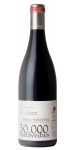
Maranones 30.000 Maravedies Vinos de Madrid Sierra Gredos is made from 90% Garnacha and 10% local grape varietals called Morenillo (Morate).
“The first of our red wines would be 30,000 maravedíes, which is our Comarca wine, a regional wine, village wine.
30,000 maravedíes is the coming together of all soils, orientations, dominantly Garnacha at 90 percent with a remaining 10 percent of local grapes.
The name also reflects the union between history, the winery, the structure and the place. Álvaro de Luna paid 30,000 maravedíes to buy the whole region from the monks who fostered the cultivation of the vine. It is a historical name. It refers to what was paid for the Valley and pays homage to the Valley. It also evokes what the monks had developed. This history is part of our heritage and we continue it.
This village wine wants to tell you the whole history of the Valley. At the end it delivers a structure tending towards the mineral, the floral, length, fruitiness and ease of drinking.”
30-70 year-old vines produce a vibrant, fresh wine that boasts juicy red berry, wild herb, flower and balsamic flavors with hints of sweet spice. Smooth tannins provide finesse and longevity.



