
" We don't sell the wine without touching the vine "
I am a new customer.
By creating an account at Timeless Wines you will be able to shop faster, be up to date on an orders status, and keep track of the orders you have previously made.

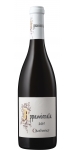
J. Christopher Appassionata Chardonnay is made from 100 percent Chardonnay.
Appassionata Chardonnay is the expressive summit of this classic Burgundian variety in the Willamette Valley. Fermented and matured in large (500-liter) oak casks, it rests on the full lees for two years before bottling. It then rests in our cellar for another year before its release, three years after vintage. The wine’s elegant texture, fine structure and extended maturation time ensure a long life for this vibrant Chardonnay.
Whole-cluster pressing; native yeast fermentation in 500-liter French oak barrels; natural malolactic fermentation; 21 months maturation on the lees.
Review:
Anyone questioning Chardonnay’s potential in the Willamette Valley should try this rich and sophisticated wine. A silky texture, is met with mouthfilling flavors of orange sorbet, pineapple and challah bread, as well as a hint of mint. The aromas of lemon curd and petrichor are equally delightful.
- Wine Enthusiast 94 Points
Only 0.27 acre (0.11 hectares) !
Color: light yellow with silvery reflection,
Nose: wine with fine citrus notes
Mouth: Roundness and a touch of liveliness gives it a nice finish
Classic vinification :
- Soft pressing of the grapes upon arrival (no skin contact maceration)
- Cold settling for 24 hours at low temperature (10°C - 50°F)
- Fermentation in Amphora
- Ageing on the fine lees
- Racking followed by a slight filtration
- Bottling.
Served at a temperature of 12°C (53°F), it will accompany your white meats, sea fish, shellfish and cheeses.



