
" We don't sell the wine without touching the vine "
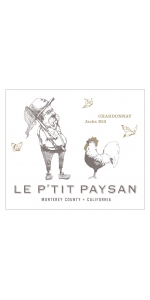
Ptit Paysan Chardonnay Jackss Hill is made from 100% Chardonnay
Oak: Combination of neutral oak (2% new French) and stainless tanks
This wine comes from a few vineyards at the base of Jack's Hill, planted on the distinct iron oxide granite that dominates the east side of Salinas Valley, directly east of Sleepy Hollow North.
Bright, crisp and clean with orchard fruit giving way to an intense minerality.
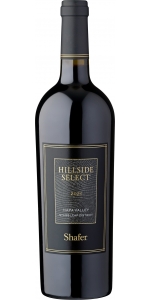
The 2021 Shafer Hillside Select is crafted exclusively from grapes grown on Shafer's rugged hillside vineyards, where steep, rocky soils push the vines to produce low yields of intensely concentrated fruit. The unique terroir, combined with Napa Valley's hallmark climate of warm, sunny days and cool nights, contributed to a vintage with exceptional structure, lush tannins, and deep, vibrant color. The 2021 growing season exemplified these conditions, allowing the grapes to mature beautifully by early September, resulting in a wine with refined, pure aromas and flavors that reflect the richness and elegance of the vineyard.
“Such a beautifully balanced wine with tremendous staying power and expressive Stags Leap ironstone minerality with heady sagebrush and conifer notes with white pepper and walnut husk. The wine has an impressive depth of red-toned fruit on the mid-palate framed by tannins that practically dance across the palate, exuding length, tension, and power. Huckleberry and black cherry fruits, black truffle, dried violets, graphite, and salted dark chocolate are all framed by racy acidity, which keeps everything fresh and lifted. The 2021 releases mark Elias Fernandez's 38th vintage as Shafer's winemaker. He was hired by John Shafer in 1984, two weeks out of UC Davis.”
-Decanter, 99 Points
“The 2021 Cabernet Sauvignon Hillside Select was tasted as a barrel sample. Deep garnet-purple in color, it charges out with powerful notes of creme de cassis, plum preserves, and juicy blueberries giving way to an undercurrent of tar, candied violets, and star anise. The full-bodied palate is concentrated and impactful, delivering a firm, grainy texture and well-knit freshness to support the generous black and blue fruits, finishing long with loads of mineral and exotic spices sparks. This is impressive!”
-The Wine Independent, 98-100 Points
“As always, the 2021 Cabernet Sauvignon Hillside Select is 100% Cabernet Sauvignon that will spend 28 months in new barrels. Its deep purple hue gives way to a behemoth of a wine that has incredible cassis, black raspberry, and even blue fruits to go with loads of camphor, minty herbs, graphite, and darker chocolate. It's full-bodied, concentrated, yet pure, flawlessly balanced, and has a great finish.”
-Jeb Dunnuck, 97-99 Points
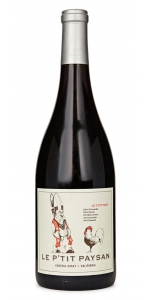
Le P'tit Paysan Le Ptit Pape is made from 62% Grenache, 19% Syrah, 14% Mourvedre, 3% Counoise, 2% Cinsault
Oak: Mixture of one and twice used barrels for 11 months and puncheons
Playful interpretaion of a domestic, baby, Chateauneuf-du-Pape.
Cherry blossoms, dusty road, red plums, herb de Provence. Rosewater and red cherry on the palate, nimble with medium body. Grippy finish with firm Grenache tannins and hints of olive and sagebrush.
Fermented in several lots ranging from 0-50% whole cluster. Fermeted to dryness on skins.
Aged in neutral barrels for 11 months. From limestone rich soils
Argot Simpatico Ranch Chardonnay is made from 100 percent Chardonnay.
Powerful aromas of key-lime, white flowers, orange blossoms and a fierce, flinty, sauvage note define a wildly complex nose. Once in the mouth, gracefully pronounced textures coat the palate delivering an exotic interpretation of cool-climate Chardonnay character — lime peel, orange blossom, ginger and clove —lingerings deep into a vibrant finish.
Planted 1978. Shallow volcanic soils on the gently-sloped, south-facing foothills of Bennett Peak on Bennett Valley’s floor. One of California’s coolest Chardonnay vineyards. In the final year of 3-year draught cycle, Simpatico Ranch saw its earliest ever harvest and smallest crop, exposing a reserve of exoticism and minerality previously untapped. A watershed vintage for both the vineyard, and appellation. Night harvested by hand on 9/16, whole-cluster pressed direct to barrel; no settling to ensure maximum lees contact. Barrel fermented on heavy lees. Malolactic fermentation. 16 months in French oak, 50% new. Finished 2 months in steel tank, low Sulphur during barrel elevage.
Review:
The 2021 Chardonnay Simpatico Ranch needs a lot of swirling before it shoots from the glass with notes of lemon tart, orange blossoms, candied ginger, and fresh nectarines with hints of crushed rocks, struck flint, and nutmeg. The medium to full-bodied palate delivers amazing tension, with tight-knit citrus and spice layers and a fantastically well woven satiny texture, finishing long and layered. "We only get about 1.5 tons per acre here," said owner/winemaker Justin Harmon. "This comes from old vines on AXR rootstock."
-Wine Independent 97 Points
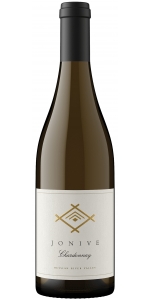
Jonive Chardonnay Russian River Valley is made from 100 percent Chardonnay.
2021 Jonive Russian River Estate Chardonnay: Harvested the night of September 20th with the two clones kept separate. The clone 95 was pressed into tank where it was chilled, settled and racked, then allowed to ferment naturally for 12 days when it then went to barrel. The primary and secondary fermentations lasted in barrel until April 20th, some seven months. The wine remained on its original lees until just prior to bottling. The clone 17/Robert Young chardonnay was pressed into tank and allowed to brown naturally before a natural fermentation occurred. This lasted for 15 days before going to barrel where it finished the last 12 days of primary fermentation and six weeks of secondary fermentation and it too rested on its original lees until just prior to bottling.
The wine has a typical straw color and complex aromas of lemongrass, nutmeg, Meyer lemon and a touch of passionfruit. It has an enveloping mouthfeel that is at once tart and linear as well as rich and expansive, a very unusual and beguiling combination of textures and mouthfeel. The browning of the clone 17 enables the wine to be rich, but at a lower alcohol (13.3%) and the clone 95 contributes beautifully fresh acidity. The pallet shows jasmine, honeydew melon, tarragon and lemongrass with a nice kiss of high-quality French oak. The extended lees contact gives the wine amazing length, energy and vitality.
353 cases produced
Harvested September 20th
14-month barrel aging in 67% new French oak barrels, 20% once used and 13% neutral
61% clone 17/Robert Young and 39% clone 95
13.3% alcohol
Bottled December 14th
Reviews:
A wildly elegant aromatic profile announces this Chardonnay from Jonive's estate vineyards, a combination of two separately fermented clones, 95 and clone 17, also known as Robert Young. The blend is beautiful and effusively aromatic. Lemon cream and white flowers mark the aromatic profile, and the palate, crafted with plenty of lees contact, shows a creamy texture of lemon and orange oils. Savoury notes of sorrel and lemongrass mark the lengthy finish. The new French oak kisses this wine just a touch with a note of Madagascar vanilla on the finish.
-Decanter 94 Points
This seamless, smooth and mouthfilling wine is packed with ripe fruit flavors and deftly accented with oak notes like vanilla, hazelnut and toast. It's rich in texture yet relatively light in body, encouraging flavors that mingle with a subtlety that asks for more sipping.
-Wine Enthusiast 94 Points
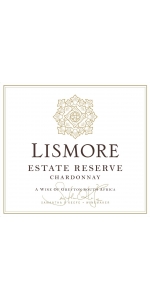
Lismore Chardonnay Reserve made from 100 percent Chardonnay.
A careful selection of the best of the vintage that exemplifies the extraordinary terroir of Lismore. This Reserve Chardonnay shows intense citrus, stone fruit, jasmine and walnut layered with honey and vanilla carried by a distinct minerality and crisp acidity with a lingering citrus finish.
Wine Made in the Soil
The vineyards are planted in decomposed shale over clay at 300 meters in the foothills of the Sonderend Mountain Range. A low mean February temperature lends to an extended ripening period that can put harvest 3-4 weeks later than traditional wine growing regions in South Africa. The intense citrus notes and the lingering finish are consistent trademarks of Lismore's specific terroir. The restrained minerality of the Chardonnay is a clear indication of the cool climate in which it is grown.
Wine of Origin "Greyton" has been designated by SAWIS recognizing the special terroir of this region.
Delightful with warm curries which lift the aromatics or a traditional pairing of smoked salmon highlighting the fresh acidity.
Review:
100% Chardonnay matured in Burgundian oak (33% new) for 11 months. This Reserve Chardonnay shows intense citrus, stone fruit, jasmine and walnut layered with honey and vanilla carried by a distinct minerality and crisp acidity with a lingering citrus finish.
-Karen McNeil 95 points
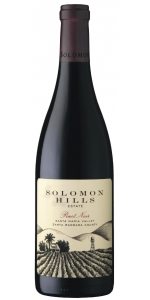
Solomon Hills Estate Pinot Noir is made from 100 percent Pinot Noir.
Solomon Hills Pinot Noir is always distinctive and singular in its ability to harness the Coastal influence of Santa Maria Valley. Earth tones alongside briar bush and blueberries contrast aromas of forest floor and fired red clay. The noticeable savory elements of cracked black pepper and teriyaki beef nicely balance ripe cherries and blackberries on the palate.
Review:
I loved the bouquet of the 2021 Pinot Noir Solomon Hills, a light ruby-hued effort with perfumed darker cherry, mulberry, leafy herb, and smoked earth nuances. It's medium-bodied, has a layered, seamless texture, integrated tannins, and a gorgeous finish. It's absolutely brilliant. Enjoy bottles over the coming decade or more.
-Jeb Dunnuck 96 Points
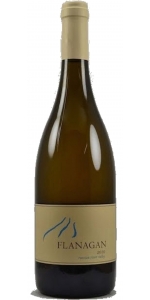
Flanagan Russian River Chardonnay is made from 100 percent Chardonnay.
Grapes for this wine are sourced from several top Russian River Chardonnay sites including Platt Vineyard, Ritchie Vineyard and Bacigalupi Vineyard.
A typical day in Russian River begins with cool fog that fades by mid-morning as the warm sun transforms the vineyard into a warm, welcoming place buzzing with bees. In the late afternoon the ocean air sweeps in from the west cooling the vineyard down. Soils of clay and volcanic rock, carved into rolling hills by the Russian River, are the bass line to the melody played by the sun, wind and fog.
Flanagan Chardonnay RRV has an expressive nose that is typical of the Wente Clone of Chardonnay. The palate has an elegant mélange of stone fruit and ripe citrus flavors supported by understated barrel notes. The key to the wine is the bright acidity that ties everything together. This is a great example of what top Russian River Chardonnay sites can produce when wine making is focused on balance.
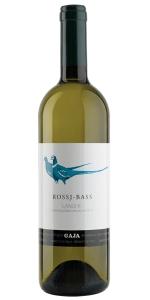
2021 Rossj-Bass displays the main features of the vintage well, with intense fruit concentration and floral notes. The nose shows ripe citrus notes of lemon peel and orange evolving into tropical fruits. The richness of the nose and the same notes are reflected on the palate, where remarkable acidity balances the fruit concentration. The wine is rich, full-bodied and creamy, with a long finish.
Review:
The 2021 Gaja Rossj-Bass starts off with very, crisp, green fruit and much more Sauvignon Blanc dominant aromas of grassy, bright, fragrant green apple and green pepper - all very bright and cheerful. Then Chardonnay seems to take over in the medium-full bodied and pleasing creamy texture of the wine. This is balanced again by the tangy, juicy acidity of Sauvignon. This is very elegant blend of Sauvignon Blanc aromas and zestiness and the textural comfort of Chardonnay. The name Rossj is a nickname of Angelo Gaja’s second daughter, Rossanna.
-Wine Independent 94 Points
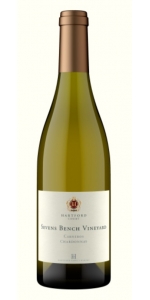
2018 Hartford Family Winery Hartford Court Sevens Bench Vineyard Chardonnay is made from 100 percent Chardonnay.
True to its Carneros roots, the 2021 Sevens Bench Chardonnay carries the hallmark of the region – fruit intensity balanced by good acidity. The aromas are driven by classic lemon drop, Meyer lemon, and lemongrass. That fruit style follows in the flavors, with the citrus focus carrying through with candied lemon drop balanced by the mineral and flint characteristics inherent to the region and the clonal selections. Barrel fermentation notes in the background add even more complexity to this elegant wine.
Review:
"A more opulent style with a richer golden hue, the 2021 Chardonnay Sevens Bench Vineyard takes on more tropical ripe fruits in its notes of golden pineapple, baking spice, and orange zest. Full-bodied, with a rich yet clean, viscous texture, ripe peach, honeysuckle, and citrus oil, it's long on the palate and has nice balance. Drink it now or over the next 6-8 years. —Audrey Frick, jebdunnuck.com, July 2023 94 Points
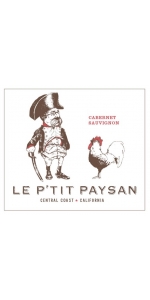
Ptit Paysan Cabernet Sauvignon is made from 91% Cabernet Sauvignon, 6% Petite Verdot, 3% Cabernet Pfeffer.
Oak: 11 months on lees in neutral barrels
The Cabernet Sauvignon is sourced from a vineyard at the foot of the Santa Cruz Mountains west of Morgan Hill, which grows in a mix of granitic and volcanic soils, and a 25-year-old vineyard east of Gilroy, which grows in deep, extremely sandy soils against the foothills of the Diablo Range. The Petite Verdot is sourced from the Paicines AVA and grows in rocky alluvial deposits above the Tres Piños Arroyo. All three vineyards experience the warm days and cold nights typical of the Central Coast, allowing these late ripening Bordeaux varieties to be picked at high acidity and moderate sugars.
Le P'tit Paysan offers intense blackberry, dark cherry aromas, chocolate, herbaceous and toasty notes on the palate. Medium-bodied, well-balanced with moderate and integrated tannins that give structure and liveliness to the wine.
Pairs well with steak, duck, game, hearty stews, ribs, and dark, rich sauces.
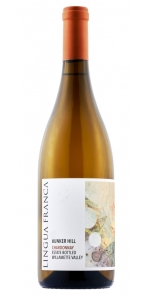
Lingua Franca Bunker Hill is made from 100 percent Chardonnay.
Pale yellow-green color with a predominantly mineral aroma of flint, river stone, green apples, and green olives, later fresh herbs, lemon zest and yellow flowers emerge. On the palate it is precise and taught, with wet stone and saline notes, crisp green apples and thyme. The finish is persistent and firm, with a mouthwatering mineral quality. This is a vintage with finely chiseled features at Bunker Hill. Our Bunker Hill Estate Vineyard in the South Salem Hills and is the oldest source of fruit for any of our wines, having been planted in 1995 to CH76. It is among the earliest of the Dijon-clone plantings in Oregon, situated on the remnant of a pioneer farm.
Review:
Estate bottled, the 2022 Chardonnay Bunker Hill is the counterpart to the Chardonnay Estate. It pours a bright pale yellow with a tinge of green and has a lovely incense of delicate toast lifting from the glass, followed by notes of white flowers, fresh green pear, and pleasing reduction. This wine comes from a site where the grapes get thicker skins from the wind, leading to firmer structure, and on the palate, this wine is medium to full-bodied, with a pithy, chalky texture. Drink 2024-2034.
-Jeb Dunnuck 94 Points
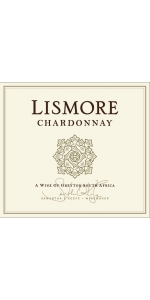
Lismore Chardonnay made from 100 percent Chardonnay.
This very special Chardonnay was made in the style of a traditional Burgundian Chablis. It shows intense citrus and soft fruit layered with brioche, honey and walnut carried by a distinct minerality and crisp acidity with a lingering citrus finish.
Wine Made in the Soil
The vineyards are planted in decomposed shale over clay at 300 meters in the foothills of the Sonderend Mountain Range. A low mean February temperature lends to an extended ripening period that can put harvest 3-4 weeks later than traditional wine growing regions in South Africa. The intense citrus notes and the lingering finish are consistent trademarks of Lismore's specific terroir. The restrained minerality of the Chardonnay is a clear indication of the cool climate in which it is grown.
Wine of Origin "Greyton" has been designated by SAWIS recognizing the special terrior of this region.
Delightful with warm curries which lift the aromatics or a traditional pairing of smoked salmon highlighting the fresh acidity.
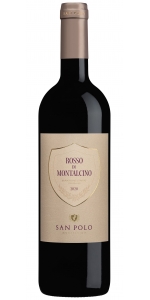
Bright and glossy ruby red in color. On the nose it reveals aromas of small fresh berries and a trace of sour cherry, melded with hints of blackberries and black cherries, followed by a hint of vanilla. A fragrant wine with satisfying intensity. On the palate it is warm, smooth and a medium-bodied with finely-balanced tannins. Dry and sinewy yet fresh with a persistent, aromatic finish.
It naturally accompanies dishes that are typical of Tuscan cuisine with its bold, authentic flavors, such as pasta and risottos made with mushrooms or truffles, pork, grilled meats and medium-matured cheeses.
Review:
Notes of ripe cherries, dried flowers and walnuts with hints of anisette and licorice. Medium- to full-bodied, compact and dense with creamy tannins and steady acidity. Weighty and structured. Drink or hold.
-James Suckling 91 Points
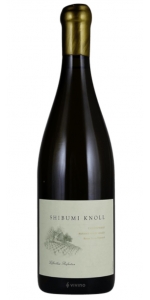
100% Chardonnay aged 14 months in 30% new French oak.
Review:
“Stone fruits, buttered citrus, white flowers, and a subtle hint of green almonds all emerge from the 2021 Chardonnay Buena Tierra Vineyard, a medium to full-bodied, ripe, yet elegant Chardonnay. I love its overall balance, and it brings an impressive mix of richness and elegance.”
Jeb Dunnuck, 96 points

Shibumi Knoll Chardonnay Corazon del Rio is made from 100% Chardonnay aged 14 months in 20% new French oak.
Review:
“The 2021 Chardonnay Corazon Del Rio Vineyard is another brilliant Chardonnay (these are all made by Thomas Rivers Brown) from the Russian River Valley. Bright citrus, honeyed flowers, and subtle toasty oak notes define the aromatics, and it's medium-bodied, has a fresh, focused mouthfeel, terrific balance, and a great finish. I'd be thrilled with bottles in the cellar.”
-Jeb Dunnuck, 95 points
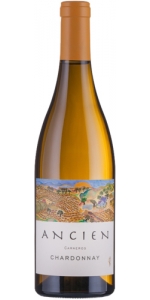
Ancien Chardonnay Carneros is made from 100 percent Chardonnay.
Chardonnay Carneros owes its style, depth, and structure to intensely flavored, low yielding, heirloom clones growing in two Carneros vineyards: on the Napa side, the Toyon Farm and on the Sonoma side, the Sangiacomo Vella Ranch. Ancien Wines hand-selected the cuttings themselves, from older vineyards in the Carneros area. These cuttings are reputed to have origins tracing to Paul Masson who imported them from Burgundy in the early 1940’s, from Louis Latour's renowned Corton Charlemagne vineyard. These selections are often referred to as “Old Wente”or “Robert Young,”denoting the sourced mother blocks in the 1960s.
Notes of ripe apple and honeydew melon greet and are delicately perfumed by notes of freesia and citrus blossom. Brighter notes of lime and Meyer lemon match the refreshing acidity of this wine, balanced by a creamy palate and leading to a finish that will continue to lengthen in the coming months. A wonderfully textured and vibrant Chardonnay displaying the best of Carneros.
Chardonnay Carneros is guided toward a layered, complex, and expressive style that develops gracefully in the bottle and shows enticing minerality, vivacious fruit, length and structure. The watchword is balance. Grapes were pressed as whole clusters, settled and fermented entirely in French oak from four different coopers, chosen for their unique synergism and support of the fruit on the palate. One third of the barrels were new. A variety of yeasts were used, including native strains, and fermentation proceeded evenly and slowly, averaging a cool 55°F. The wine was aged on its yeast lees, which were stirred weekly through the spring.
Argot Simpatico Ranch Chardonnay is made from 100 percent Chardonnay.
Powerful aromas of key-lime, white flowers, orange blossoms and a fierce, flinty, sauvage note define a wildly complex nose. Once in the mouth, gracefully pronounced textures coat the palate delivering an exotic interpretation of cool-climate Chardonnay character — lime peel, orange blossom, ginger and clove —lingerings deep into a vibrant finish.
Planted 1978. Shallow volcanic soils on the gently-sloped, south-facing foothills of Bennett Peak on Bennett Valley’s floor. One of California’s coolest Chardonnay vineyards. In the final year of 3-year draught cycle, Simpatico Ranch saw its earliest ever harvest and smallest crop, exposing a reserve of exoticism and minerality previously untapped. A watershed vintage for both the vineyard, and appellation. Night harvested by hand on 9/16, whole-cluster pressed direct to barrel; no settling to ensure maximum lees contact. Barrel fermented on heavy lees. Malolactic fermentation. 16 months in French oak, 50% new. Finished 2 months in steel tank, low Sulphur during barrel elevage.
Review:
There are 225 cases of the 2019 Chardonnay Simpatico Ranch, which is from a cooler, higher elevation site in Sonoma. Lots of peach, tangerine, honeyed minerality, and toasted hazelnuts all emerge from the glass, and while I don't think it matches the 2018, it's a brilliant Chardonnay offering medium to full-bodied richness, nicely integrated acidity, and a great finish. It's beautifully balanced and is going to keep for at least 5-7 years."
- Jeb Dunnuck (September 2021), 94 pts
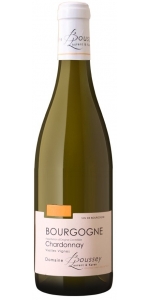
Boussey Bourgogne Blanc Chardonnay Vieilles Vignes is made from 100 percent Chardonnay.
The grapes for Bourgogne Blanc Chardonnay Vieilles Vignes are grown on a parcel located within the city of Meursault.
The wine displays a refreshing nose of lime, citrus fruits, flint, honey and a touch of dried fruit. The palate is full of flavors, with honeysuckle, citrus and some salinity with an excellent balance between acidity and roundness.
Pair with cheese, seafood, nems, Spanish tapas and apple tart.
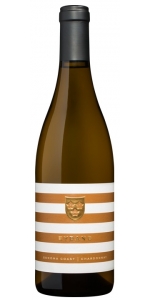
Bydand Chardonnay Sonoma Coast is made from 100% Chardonnay
This Chardonnay is sourced from one of the crown jewels of the esteemed Sangiacomo winegrowing family: Roberts Road Vineyard in the Petaluma Gap AVA. Marked by coastal winds, foggy mornings, and well-draining gravel soils, this site enjoys a long, slow, and even growing season. Dijon clone 95 Chardonnay vines planted in 1998 impart minerality and vibrancy to a full-bodied wine with impressive purity of flavor. Silky, expressive, and seamless.
Vineyard: Sangiacomo - Roberts Road Vineyard
Aged for 16 months in 20% new French oak
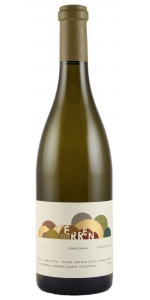
Ferren Chardonnay Sonoma Coast is made from 100 percent Chardonnay.
The Sonoma Coast bottling is a blend of barrels from Ferren's single vineyard offerings; Lancel Creek, Silver Eagle, Volpert, and Frei Road Vineyards. The wine is always somewhat more approachable early in its life as less new oak is used in the blend. Pure and translucent fruit is the hallmark of this cuvée. Citrus, quince, sea spray, and minerals are buoyed by refreshing acidity and a seamless finish.
Review:
"Love the salted butter, sliced cooked apple and oyster shell character. Hints of uncooked pie crust. Medium- to full-bodied. So much subtle and intense flavor with some nuttiness. Drink now or hold.”
- - James Suckling (February 17th 2024), 97 pts
This wine is floral, exuberant, with lengthy smooth tannins, and metallic notes.
This cuvée takes its name from a small parcel of the Adrianna Vineyard that is completely covered with oval white stones and was the site of an ancient riverbed. The abundant stones provide optimal drainage and extreme temperatures. They absorb heat and moderate the nights, but also function like ice cubes after a very cold night. Stony soil Malbecs tend to be extremely aromatic, rich and luxurious, just like the River Malbec from Adrianna. This wine can be enjoyed young or aged for decades.
Pair with grilled meats.
Review:
There is an usual stony austerity in the 2021 Adrianna Vineyard River, cropped from a cold year when the full clusters fermented in concrete with a slightly shorter maceration and an élevage in a 2,000-liter oak foudre and the rest in stainless steel. It has a moderate 13.4% alcohol with very high acidity (8.2!) and a low pH (3.37), incredible parameters of freshness. The wine was closed and took time to take off in the glass, revealing a very elegant and subtle personality, with the silky texture of the very fine tannins, pristine aromas and flavors and a sense of harmony that was moving. It's powerful but extremely elegant in that rare combination of clout and energy, a wine of light, aerial, with some ethereal qualities, delicate and refined. This combines the cool place and high altitude, the cool year and the stony soils, to deliver a stunning Malbec that goes well beyond the variety. Bravo!
-Wine Advocate 100 Points
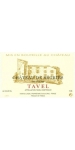
Segries Tavel Rose is made from 50% Grenache, 30% Cinsault, 15% Clairette, 5% Syrah.
The age of the vines is 30 years. Traditional vinification at low temperature, "vin de saignée" with a maceration during one night in cement vat.
This is large for a Rose...structured and focused, with the color of dark ruby. The nose is loaded up with fresh fruit. Strawberry, blackcurrant, and raspberry beam from the glass. On the palate, the mouth-feel is ripe and succulent. It has strength, but maintains its fresh and crisp expression. The finish is filled with Asian spice and slight hints of smoke. Drink this juice now or over the next year or two.



