
" We don't sell the wine without touching the vine "
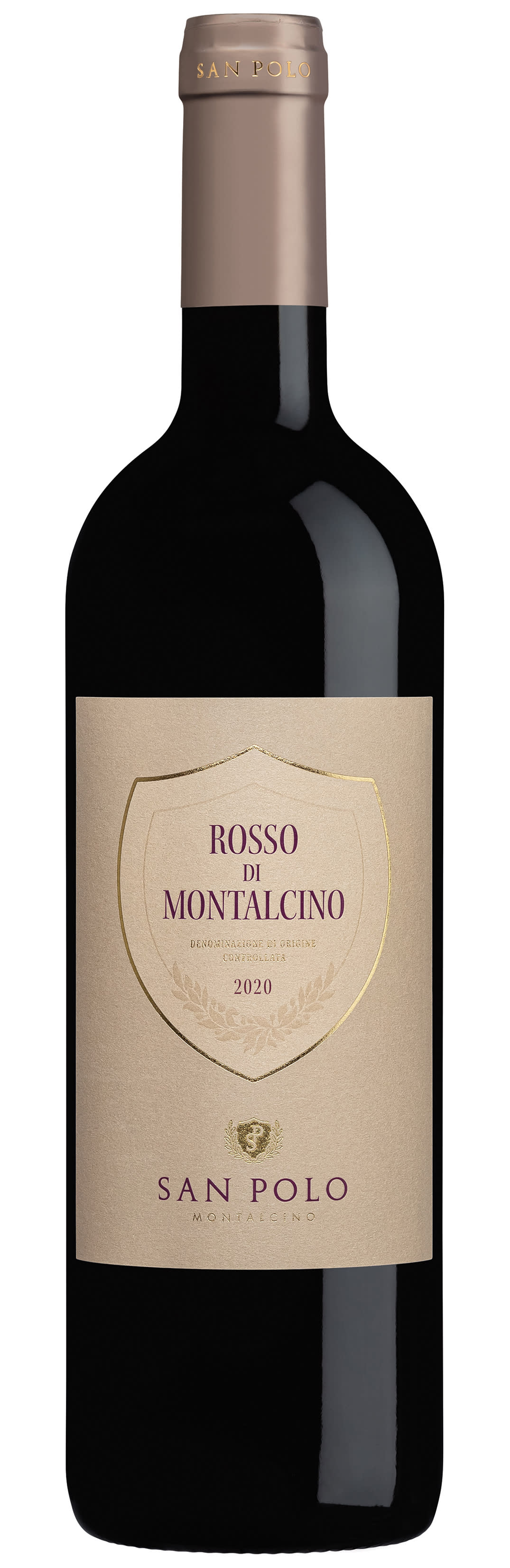
| BUY MORE! SAVE MORE! | ||||||||||||||||||||
|
| Country: | Italy |
| Region: | Tuscany |
| Winery: | San Polo |
| Grape Type: | Sangiovese |
| Organic: | Yes |
| Vintage: | 2021 |
| Bottle Size: | 750 ml |
Bright and glossy ruby red in color. On the nose it reveals aromas of small fresh berries and a trace of sour cherry, melded with hints of blackberries and black cherries, followed by a hint of vanilla. A fragrant wine with satisfying intensity. On the palate it is warm, smooth and a medium-bodied with finely-balanced tannins. Dry and sinewy yet fresh with a persistent, aromatic finish.
It naturally accompanies dishes that are typical of Tuscan cuisine with its bold, authentic flavors, such as pasta and risottos made with mushrooms or truffles, pork, grilled meats and medium-matured cheeses.
Review:
Notes of ripe cherries, dried flowers and walnuts with hints of anisette and licorice. Medium- to full-bodied, compact and dense with creamy tannins and steady acidity. Weighty and structured. Drink or hold.
-James Suckling 91 Points
There are wine cellars constructed to tell stories of the men and women who have been carrying out their work with determination and resilience for years. Wine cellars that speak to us about blessed vintages and others that were less productive. Then there is San Polo’s wine cellar which is all of this and much more. A wine cellar created with the desire to keep the passion that has been handed down for generations, but with an eye always looking towards the future. Inspired entirely by the principles of eco-sustainability and sustainable architecture, it completely blends in with the surrounding landscape.

Fragrant aromas of yellow peach and ripe melon are found on the nose, interspersed with bright citrus notes. These continue on the palate with notes of creamy vanilla and buttery nuances on the long finish. Rombauer's signature bright acidity is evident throughout each sip, balancing the softness of the midpalate.
Pairings for this wine include crab cakes, barley risotto, and strawberry shortcake.

Poggio Nardone Brunello di Montalcino is made from 100 percent Sangiovese Grosso.
The rich nose displays scents of spices combined with aromas of small red ripe fruits, blackberry and blueberry.
Well structured, determined and elegant, with round and silky tannins. Very nice finish.
Alcoholic fermentation was done in tank, malolactic fermentation in oak barrels. Wine was then aged for 3 years in French oak barrels.
Review:
Powerful and classic, it alternates in the best way the floral features of magnolias, gardenias and hawthorn with fruity notes reminiscent of plums, pressed blueberries and lemon juice. Medium-full body, smooth and relaxed in the sip, it closes harmonious and balanced. How beautiful! Better from 2024.
Raffaele Vecchione - WinesCritic.com 94 Points

Alain de la Treille Pinot Noir is beautifully balanced with an elegant ruby robe. The mouth is velvety with black cherry aromas.
Average age of the vines: 25 years.
Classic red vinification and Maturation in stainless steel vats.
Malolactic fermentation.
Wine is filtered before bottling.
It delights those who prefer drinking red wine with fish and is an ideal partner with charcuterie, white meats and mild cheeses.

Visual aspect: Straw yellow color with persistent mousse.
Aromas: Fruity notes of delicious Golden apple and Kaiser pear with a pleasant citrus background.
Mouthfeel: The wine is well balanced with a nice acidity and minerality, combined with freshness and complexity.
The finish is long and very pleasant.
Area of origin: Valdobbiadene, Conegliano, Vittorio Veneto.
Soil: calcareous clayey
Varietal: Glera (known as Prosecco)
Harvest: manual harvest with grape selection
Winemaking: off skins by gentle pressing.
Primary fermentation with controlled temperature by selected yeats.
Refinement :Stainless Steel tanks
Foaming: secondary fermentation in "autoclave" (cuve close) at a controlled temperature with selected fermentation as long as a 5 bar pressure is reached.
Fining: 60 days
Training system: autochthonous called "capuccina modificata"
Bottling: isobaric bottling after sterile filtration.
It is ideal for important occasions and as an aperitif. It is also excellent with risotto and noble meat.

Livia Fontana Barbera d'Alba Superiore is made from 100 percent Barbera.
Organoleptic characteristics: intense ruby red color. Fresh and intense aromas with currants and berries notes. Warm, full, rich and persistent taste, full body. Suitable for long aging.
Excellent accompaniment to warm appetizers, rich first courses, red meat and the medium-seasoned cheeses.
Livia Fontana Barbera d'Alba Superiore is made from 100 percent Barbera.
Organoleptic characteristics: intense ruby red color. Fresh and intense aromas with currants and berries notes. Warm, full, rich and persistent taste, full body. Suitable for long aging.
Excellent accompaniment to warm appetizers, rich first courses, red meat and the medium-seasoned cheeses.

Poggio San Polo Podernovi Brunello di Montalcino is made from Sangiovese.
Intense ruby red in color with garnet hues, clear and glossy. The bouquet exhibits typical aromas of violets and small red berries. Subtle nuances of forest undergrowth, aromatic wood, a touch of vanilla and jammy mixed fruit then give way to subtle hints of coffee. This Brunello is intense, persistent, broad and heady. Full-bodied and warm on the palate, with a densely-woven texture and robust body, it has a persistent finish with well-rounded tannins. The particular features of the terroir at San Polo produce a Brunello with a capacity for lengthy aging, while patient cellaring enhances the wine during ageing in the bottle.
Review:
Lovely purity of fruit with ultra fine tannins and depth, finesse and complexity. Black cherries, cedar and some flowers. It’s full-bodied with very fine tannins that drive the finish. Give it a year or two to open more, but already so enticing. Drink or hold.
-James Suckling 96 Points
The San Polo 2015 Brunello di Montalcino Riserva (with 8,000 bottles produced) is a textured wine with hearty fruit and touches of smoked meat and spice. At its core, the wine offers dark fruit, blackberry and ripe plum. The rich fruitiness of the wine cedes to campfire ash, mahogany and furniture wax. These results are sultry and even a bit flashy, with distant background tones of teriyaki and plum sauce. The wine is fermented in cylindrical oak fermenters and aged in oak for three years. We'll see this bottle hitting the market sometime after February 2021.
-Wine Advocate 95 Points

Poggio Nardone Rosso di Montalcino is 100 percent Sangiovese Grosso.
Intense ruby red color with garnet tints.
Intense and delicate aromas of fresh fruits with notes of cherry.
Dry red wine with a good strength and freshness, along with a nice aromatic persistence.
The 5 hectares of specialized vineyards in Montalcino are at an altitude of 350 meters above sea level and are surrounded by woodlands of ilex, oak and arbutus which are characteristic of Montalcino’s hillside habitat. The soil is predominantly composed of marl and limestone which renders this terrain particularly rich in mineral salts.
Pairs well with pasta prepared with meat sauces, mushrooms or truffles; complex rice, main courses of pork or veal with sauces.
Review:
"Aromas of red fruit, rosemary and white smoke. Medium-bodied with bright acidity. Pleasant, savory herbs on the palate. Wet-stone finish. Drink now."
- James Suckling (September 2021), 90 points
Poggio Nardone Brunello di Montalcino is made from 100 percent Sangiovese Grosso.
The rich nose displays scents of spices combined with aromas of small red ripe fruits, blackberry and blueberry.
Well structured, determined and elegant, with round and silky tannins. Very nice finish.
Alcoholic fermentation was done in tank, malolactic fermentation in oak barrels. Wine was then aged for 3 years in French oak barrels.
Review:
Powerful and classic, it alternates in the best way the floral features of magnolias, gardenias and hawthorn with fruity notes reminiscent of plums, pressed blueberries and lemon juice. Medium-full body, smooth and relaxed in the sip, it closes harmonious and balanced. How beautiful! Better from 2024.
Raffaele Vecchione - WinesCritic.com 94 Points

San Giorgio Ugolforte presents a dark core of red and black berry fruit layered with earth, leather, smoke, and herbs. Complex and elegant, the wine is full on the palate and firm in tannin structure. Refreshing acidity frames a graceful finish. Classic Brunello di Montalcino.
This red is marked by cherry, plum, thyme, sage and loam aromas and flavors. Lively and firmly structured, featuring a saline undercurrent. An open-knit version, with nice equilibrium, fine energy and a long, resonant finish.
-Jeb Dunnuck 94 Points
-Wine Spectator 94 Points

Collemattoni Rosso di Montalcino is 100% Sangiovese.
Color: intense ruby red.
Bouquet:violet flowers, black cherry and wild black fruits.
Taste: warm, dry and with good balance.
Coming from a parcel with 8-13 year old vines planted in sandy clay and marl soils.
Harvest is 100% destemmed with a soft pressing, fermentation in stainless steel tanks at controlled temperature of 28-30°C, pumping over for the first week of maceration followed by skin-contact maceration for 20-25 days with rack and return technique (delestage).
Malolactic fermentation completed.
Wine is slightly filtered before bottling.
Pairs with steak, pheasants and strong cheese.

On the nose, it opens with mineral hints of flint, followed by sweet spices such as nutmeg. Citrusy notes of bergamot then emerge, together with delicate floral nuances and hints of rosehip. On the palate, it shows a sweet and juicy entry, with a medium to full body. It is warm and spicy, with a slightly piquant edge. Freshness balances the structure nicely, while the fruity finish, recalling ripe plums, is savory and persistent. It displays good softness and an overall sense of balance and harmony
Review:
-James Suckling 96 Points

Viejo Isaias Juana Cabernet Franc is made from 100 percent Cabernet Franc.
Cabernet Franc has an intense bright velvety red color. In the nose this wine reveals a complex expression marked by fresh berries followed by hints of floral aromas. It also displays some smoke and vanilla from the oak barrels. It is rich and balanced in the mouth with an elegant tannic structure and long fresh fruit end.
Vineyard information:
Location: Perdriel, Luján de Cuyo, on the highest area of the Mendoza river - Mendoza.
Altitude: 950m above sea level.
Soil: Stony, from Alluvial origins
Coming from our estate vineyards in Perdriel and Lujan de Cuyo.
Aged in 50% French and 50% American Oak barrels for 12 months. First and second use only.
Wine was slightly filtered before bottling.
Excellent when paired with red meats, pasta with spicy sauces, matured cheeses.
Review:
"Hints of plums and dark berries with some dried flowers, following through to a medium body with round tannins and a juicy finish. Bigger in nature. Drink or hold."
- James Suckling (March 2022), 92 pts

Marie Baron Sancerre Blanc is made from 100 percent Sauvignon Blanc.
Sancerre is one of the most iconic white wine appellations in the world, located in the eastern Loire Valley on steep hillsides overlooking the Loire River. The appellation's Kimmeridgian marl, limestone, and flint soils produce Sauvignon Blanc of exceptional minerality and elegance.
This wine shows a bright, pale straw color with aromas of gooseberry, citrus, and white flowers, underscored by a characteristic chalky minerality. On the palate, it is vibrant and refreshing with crisp acidity, flavors of lime and green apple, and a clean, lingering finish.
Classic pairing with fresh goat cheese (especially Crottin de Chavignol), oysters, grilled fish, or asparagus.



