
" We don't sell the wine without touching the vine "
| Country: | Spain |
| Region: | Rioja |
| Winery: | Valsacro |
| Grape Types: | Grenache Tempranillo |
| Vintage: | 2010 |
| Bottle Size: | 750 ml |
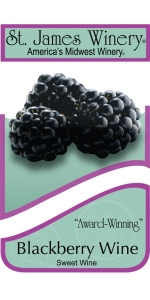
St. James Winery Blackberry - NV is made from blackberries
10.4% Alcohol by Volume
12.7% Residual Sugar
Is it fresh picked blackberries in a bottle or St. James Winery Blackberry wine? Tough call.
Sweet and delicious served chilled with your favorite dessert or for no reason at all, except to enjoy.
Select Wine Competition Awards:
2011 GOLD San Francisco Chronicle
2010 SILVER San Francisco Chronicle
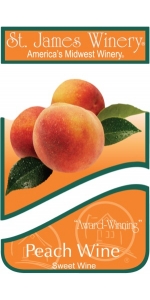
Made from peaches
9.5% Alcohol by Volume
13% Residual Sugar
Our Peach wine brings fresh from the orchard peach flavors and aromas to your glass. It’s the next best thing to biting into a perfectly ripe peach.
Serve chilled with spicy cheeses or your favorite dessert.
Select Wine Competition Awards:
2011 SILVER San Francisco Chronicle
2011 GOLD Florida State Fair International
2010 BRONZE Indiana
2010 SILVER Tasters Guild International
2010 BRONZE San Francisco Chronicle
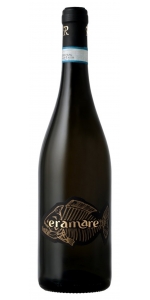
Rinaldi Eramare Piemonte Cortese is made from 90% Cortese and 10% Sauvignon Blanc.
The Cortese grapes are coming from the Estate's vineyard located at the best exposures between Ricaldone and Maranzana at about 220 meters above sea level.
A salty and tasty white wine (90% cortese 10% sauvignon) fresh simple and juicy.
After the alcoholic fermentation the wine refines on his yeast for 4 months just to have a better color and taste.
A lot of minerality and note of grapefruit.
Ideal for an aperitif, or with seafood appetizers, fish first courses, grilled fish, vegetable pies, mixed Piedmontese appetizers, omelettes.
Rinaldi Eramare Piemonte Cortese is made from 80% Barbera and 20% Bonarda.
The Cortese grapes are coming from the Estate's vineyard located at the best exposures between Ricaldone and Maranzana at about 220 meters above sea level.
A salty and tasty white wine (90% cortese 10% sauvignon) fresh simple and juicy.
After the alcoholic fermentation the wine refines on his yeast for 4 months just to have a better color and taste.
A lot of minerality and note of grapefruit.
Ideal for an aperitif, or with seafood appetizers, fish first courses, grilled fish, vegetable pies, mixed Piedmontese appetizers, omelettes.
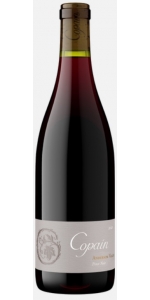
Copain Wines Pinot Noir Anderson Valley is made from 100 percent Pinot Noir.
Les Voisins, or "the neighbors" is sourced from some of the best vineyards in Anderson Valley to create a wine that displays the region's unique terroir. A myriad of fresh fruits beam from the glass including blueberry compote, kirsch, blackberry and red cherry. Underlying notes of graphite, conifer, fresh flowers, orange peel and wet sandstone add to its complexity. Bright and fresh, this Pinot Noir will take you on an adventure to one of California's most remote winemaking regions.
Review:
Taking on a touch of darker fruit, the 2021 Pinot Noir Anderson Valley brings forward aromas of black raspberry, red cherry, cinnamon, and candied flowers. Medium-bodied, with supple texture and a touch more plushness on the palate, it reveals ripe berries, fresh pine, and turned soil. Its ripe tannins come through on the finish cleanly, offering a lot of charm. Drink over the next 5-6 years.
-Jeb Dunnuck 93 Points
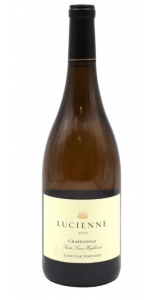
Hahn Estate Lucienne Chardonnay Lone Oak Vineyard is made from 100 percent Chardonnay.
Reviews:
Lemon blossom, grapefruit rind, pastry flake and a hint of ash show on the nose of this single-vineyard expression from the Hahn family. It's suave and broad on the palate at first, then it chisels down to pinpoint acidity, delivering flavors of apricot, lime zest and chalk before the slightly nutty finish. Matt Kettmann
-Wine Enthusiast 94 Points
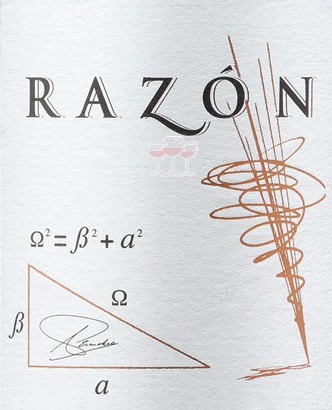
Razon Table Wine 2010 is made from 70% Tempranillo and 30% Garnacha.
Made from old vines Garnacha grapes (70+ years old), grown just outside the official Rioja denomination. The extra-ripe grapes were left on the vines after the main harvest, and then harvested by hand after they were partially dehydrated. The carefully selected grapes were then fermented on the skins for about three/four weeks, after which time they were racked into a mix of American and French oak for 6 months ageing before being bottled.
Great wine and a superb value.
Razon is a balanced wine that shows a bright ruby red in the glass and is dominated by fruity, but also strong, reminiscent of wood, earth and leather flavors. This harmony between fruity freshness and meaty body continues on the palate.
The Valsacro Estate
The Escudero family has been making wine and growing grapes for generations in the rugged, semi-desert foothills around Grávalos in the southwestern corner of the Rioja Baja region. Over the last 15 years or so, the Escudero brothers led by Bordeaux-trained winemaker Amador have transformed the small family "bodega" into a major Rioja wine producer. The changes have come gradually and in addition to the new winery at Pradejón (near Calahorra) they have greatly extended vineyard acreage, a very successful "cava" sparkling wine venture (one of the few non-Catalonian cava makers), and extensive Chardonnay plantings (disallowed in Rioja, but OK for cava). Amador, now in his mid-forties, is not one to shy away from taking risks to make things happen. The Valsacro project is an excellent case in point.
"One of the most adventuresome of "new Rioja" producers; amazing Dioro selection has explosive fruit; new project in Navarra called Logos bears watching."
- Anthony Dias Blue's pocket guide to wine 2006
The Valsacro Vineyards
Operating from the small Grávalos facility, Amador realized that some of his vineyards offered the potential to do something better (and different). These old vineyards, some over 100 years planted in the old fashioned "vidau" style offered the kind of raw material needed to make a modern-style premium wine - a Rioja with a difference. ["Vidau" is a mixed variety vineyard - a field blend ready to pick.] The vineyards include Tempranillo, Mazuelo, Graciano & Garnacha. A typical Valsacro is about 40% "vidau" (majority is Garnacha with Tempranillo & Garnacha), 50% Tempranillo from 28 year old vines and 10% Mazuela (Carignan) from 25 year old vines.
In 1992 the Hill-Smith family counted themselves amongst those fortunate enough to own a vineyard upon the famous Coonawarra terra rossa soil over limestone. Experimentation, innovation, minimalist intervention and small batch winemaking has resulted in The Menzies’ reputation as a wine of longevity, elegance and structure.
Situated in the heart of Coonawarra’s terra rossa strip, The Menzies Estate vineyard lies on a flat plain, approximately 70km from the coast. Given the terrain and influence of the cooling Bonney upwelling, Coonawarra is an ideal location to grow premium Cabernet Sauvignon. Our soil is red sandy loam over limestone, which is classic Cabernet Sauvignon country. The grapes for The Menzies 2017 are from vines planted in 1994 and 1996. Bunches are usually small with small berries, giving concentration via an ideal skin to juice ratio favouring the making of fullbodied reds.
Experimentation, innovation, minimalist intervention, and small batch winemaking has resulted in The Menzies' reputation as a wine of longevity, elegance, and structure.
Aromas of fresh rosemary, mulberry, violets and exotic spices. Take a sip and you will feel the poise and tension for which great Cabernet is renowned. A wine of great complexity with flavors of blackcurrant, bitter chocolate, and mulberries, wrapped in divine tannins and a lovely sweet, dark fruit finish. With decanting in its youth, it is enjoyable as an elegant full-bodied red wine.
Review:
The 2017 The Menzies Cabernet Sauvignon is looking good next to the 2016 tasted beside it. It is fresh and vibrant, with layers of complexing dark earth characters, with cigar box, black olive brine, cassis, bramble, milk chocolate and cracked black pepper. This is very good, and it has what I am coming to recognize as a "Yalumba red character": dried herbs, particularly oregano. The juicy splay of fruit through the finish is a highlight.
-Wine Advocate 95 Points
Hansen Lauer Sekt Riesling Brut is made from 100 percent Riesling grown on Devonian slate.
A very fine bubbles along with a very nice fruit (apple, pear, citrus) and minerality coming from the stony (slate) vineyards.
Production techniques: the Sekt is bottle fermented, stayed on the lees for 12 months, thus giving it very fine bubbles along with a very nice fruit and minerality.
The vineyard sites are Bernkasteler Graben, Bernkasteler Badstube, Bernkasteler Bratenhöfchen, Graacher Himmelreich. The vineyards are situated at the beginning of a long stretch of approx. 2 million vines.
Enjoy on its own as an aperitif or with delicate food, such as pike, lobster and scalops.



