
" We don't sell the wine without touching the vine "
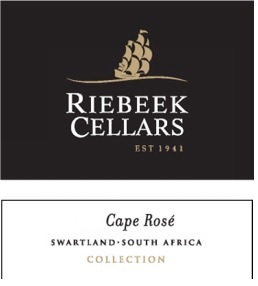
| Country: | South Africa |
| Region: | Riebeek Kasteel |
| Winery: | Riebeek Cellars |
| Grape Type: | Pinotage |
| Vintage: | 2013 |
| Bottle Size: | 750 ml |
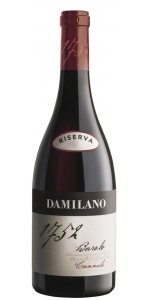
“1752” is the name of the Damilano Barolo Cannubi Riserva, in honor of the year in which the historic bottle was first marked “Cannubi”. It still exists today perfectly conserved by the Manzone family in Bra, close to Barolo. The bottle is clearly marked as being of “1752” vintage, indicating that Cannubi historically precedes Barolo.
About the Vineyard:
The Cannubi Cru is in found within one of the 6 core zones which comprise a UNESCO heritage site in Italy. A mixture of Tortonian and Helvetian calcareous marl gives the grapes intense aromas of cherry, plum and tobacco, rose and violet in sequence. Its low potassium and high calcium/magnesium content offer the wine a fine and polished touch. The vineyard is located at about 270 m. a.s.l. and has a south-east sun exposure. Barolo Riserva Cannubi 1752 It is a small plot of about 2 hectares of Nebbiolo vines, currently between 30 and 50 years of age.
Tasting Notes:
Garnet ruby red in color, the bouquet is intense and balanced, with notes of violet, red fruit, cherry and plum, spices, liquorice, cocoa, leather and tobacco. Dry, robust, full-bodied, very persistent, rich and velvety
Food Pairing:
This wine is excellent with typical piedmontes pasta (tajarin, ravioli); perfect with red meat, braised and roast meat, game and absolutely ideal with all types of cheeses.
Review:
The purity of this wine is pretty phenomenal with blackberries, strawberries, fresh flowers and licorice. Hints of tar. It’s full-bodied, yet composed and compact with ultra fine tannins and a long, flavorful finish. Very structured. Try after 2024.
-James Suckling 97 Points
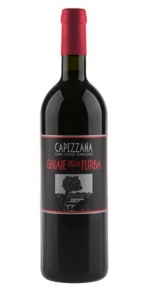
Capezzana Ghiaie Della Furbia Toscana IGT is made from Cabernet Sauvignon 40%, Syrah 35%, Merlot 25%.
In 1979 Ugo Conti Bonacossi created Ghiaie della Furba from vineyards planted among the pebble (Ghiaie) rich soils of the Furba stream. Originally planted with clippings from the famed Chateau Lafite estate in Bordeaux, the wine was made from Cabernet Sauvignon, Cabernet Franc and Merlot until the blend was changed in 1998 with the addition of Syrah. The inclusion of Cabernet Franc was slowly discontinued and today the blend includes Cabernet Sauvignon, Merlot and Syrah and is made only in the best vintages
Review:
This wine starts with pine needles and crunchy red fruit on the nose, with wet slate, cedar and tobacco leaf slowly emerging. The palate turns richer, with cherries, blackberries, dark chocolate, a little tar, coffee and sambuca. Tannins are very firm and the acid vibrant through a long finish.
-Wine Enthusiast 93 Points
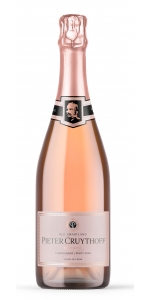
While Pieter Cuythoff humbly named the valley after his patron, Jan van Riebeeck, Riebeek Cellars feels it is only fitting that this wine, which expresses the best of its valley, should carry the name of its founder. So, in honor of Mr. Cruythoff, this range of fine wine bears his name.
Bright red berry notes and a hint of spice is balanced by a luxurious texture & an elegant, lingering, dry finish.
The Chardonnay & Pinot Noir grapes are crushed together. To ensure an array of layered fruit flavors and to capture freshness, we use only free run juice from the crushed grapes. The juice is cold fermented with selected Champagne yeast, blend with a touch of ‘spicy’ Shiraz and then left on the gross lees for 6 months where it undergoes malolactic fermentation and develops the distinct sparkling wine flavors. After the wine is stabilized and filtered it is bottled with CO2 for a Charmat style sparkling wine.
Perfect with a variety of dishes including rich chocolate desserts.
THE LEGEND
Dispatched by Jan van Riebeek in search of the perfect place to grow provisions for the Dutch East India Company, Pieter Cruythoff stumbled upon a beautiful valley. But it was more than just the scenic beauty of this valley that had caught his eye; situated in the lee of the majestic Kasteelberg, the winters were mild, the summers were hot and the soil was uncommonly fertile. What's more, ships spotted from the lookout point on Kasteelberg were just a day away from Cape Town, and so were the wagons that went to meet them, laden with the treasures of the Riebeek Valley.
TIMELESS JEWELS
While he humbly named the valley after his patron, Jan van Riebeek, we feel it is only fitting that our valley's most coveted treasure should carry the name of its founder. So, in honour of Pieter Cruythoff, this range of fine wine bears his name.
From the vibrant whites to the seductive reds, each one is a gem gently coaxed from the fertile soil of that same magical valley. Ironically, much of the valley's bounty still finds its way to Europe, and in particular to the Netherlands, the land of Cruythoff's birth.
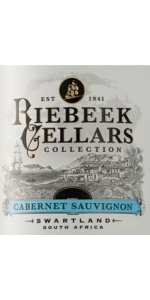
Riebeek Cabernet Sauvignon is made from 85% Cabernet Sauvignon,15 % Shiraz.
An exciting new world style wine with upfront blackcurrant flavors. The black fruit is well-balanced with subtle French oak for a complex nose and an elegant and lingering follow-through. An exceptional example of a lighter style Cabernet Sauvignon that can be enjoyed young. Excellent with red meat dishes or veal.
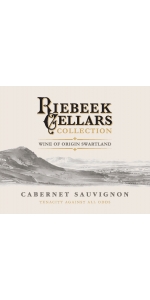
Riebeek Cabernet Sauvignon is made from 100% Cabernet Sauvignon.
An exciting new world style wine with upfront blackcurrant flavors. The black fruit is well-balanced with subtle French oak for a complex nose and an elegant and lingering follow-through. An exceptional example of a lighter style Cabernet Sauvignon that can be enjoyed young. Excellent with red meat dishes or veal.
Cold soaked overnight. Inoculated with selected yeast. Fermentation temperature was between 24 -26 degrees Celsius. Regular pump-overs were given to enhance colour and flavour extraction. Different batches of wine matured with French oak staves and 2nd and 3rd fill barrels were all blended together to perfection.
Served at room temperature, this Cabernet Sauvignon pairs perfectly with red meat dishes, especially classic recipes like roasted leg of lam, grilled lamb chops and beef kebabs.
Riebeek Cabernet Sauvignon is made from 100% Cabernet Sauvignon.
An exciting new world style wine with upfront blackcurrant flavors. The black fruit is well-balanced with subtle French oak for a complex nose and an elegant and lingering follow-through. An exceptional example of a lighter style Cabernet Sauvignon that can be enjoyed young. Excellent with red meat dishes or veal.
Cold soaked overnight. Inoculated with selected yeast. Fermentation temperature was between 24 -26 degrees Celsius. Regular pump-overs were given to enhance colour and flavour extraction. Different batches of wine matured with French oak staves and 2nd and 3rd fill barrels were all blended together to perfection.
Served at room temperature, this Cabernet Sauvignon pairs perfectly with red meat dishes, especially classic recipes like roasted leg of lam, grilled lamb chops and beef kebabs.
Riebeek Cape Rose 2013 is made from 100% Pinotage.
Abundant and distinctive flavors of fresh strawberries and ripe cherries with a crisp dryness on the palate will be charming at many occasion. Excellent on its own or paired with seafood and light meals with smoky flavors.
Alcohol: 13.04%
Residual Sugar: 4.9
Total Acidity: 5.9
pH: 3.46
The Riebeek Cellars Estate
Riebeek Cellars was established in 1941 and is situated in Riebeek Kasteel at the foot of Bothma's Kloof Pass. This medium-sized winery on the western coast of the Cape Province of South Africa sources its grapes from the fertile Riebeek Valley and the slopes of the mountain where the climate is very similar to the Mediterranean. Through the years as vineyard practices developed, cultivars were planted in soil and at slopes best suited to them. These well-tended vineyards enable the production of high quality wines which makes Riebeek Cellars the choice of wine buyers internationally. Well-known both in South Africa and abroad, Riebeek Cellars manages a variety of brands for various countries.
Heritage
Corporal Pieter Cruythoff, a scout of Jan van Riebeeck, founded the Riebeek Valley in 1661. Impressed by the single standing mountain, he called it Kasteelberg (“Castle Mountain”) commemorating the Castle of Good Hope in Cape Town, the fortress of Commander Jan van Riebeeck. The twin towns, Riebeek Kasteel and Riebeek West, established at the foot of Kasteelberg, are therefore also suitably named after Van Riebeeck.
The Riebeek Valley is a mecca of wonderful wines, exceptional food and exquisite art where tourists and locals alike are forever tempted into spending more time than allowed. The serene valley falls in the bigger Swartland region which is called the 'bread basket' of South Africa for its grain production, while it is further internationally acclaimed for its high quality olive products. With various hotels and fine-dining restaurants as well as true country hospitality, the Riebeek Valley has become a very popular tourist destination. The ultimate charm of Riebeek is however in its people and their commitment and passion for wine.
"Located in the Western Cape region of South Africa, this winery was established in 1941, which makes it relatively old compared to all the new wineries that have sprung up in this area. Among the first Pinotages I can recommend, it’s also a good value. Pinotage, which is, of course, ubiquitous in South Africa, was first made in 1941, when the Cinsault grape (primarily grown in southern France and the Rhone Valley) was crossed with Pinot Noir." - Robert Parker's Wine Advocate (Issue 201, June 2012).
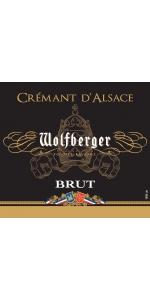
Wolfberger Cremant d Alsace Brut NV is made with 90 % Pinot Blanc, 10% Pinot Auxerrois.
The production of sparkling wine was already known in Alsace in the early 1900's. The Appellation d’Origine Contrôlée (A.O.C.) Crémant d’Alsace began with an official decree in August 1976.
Pale golden color. Fine, persistent bubbles. Floral nose with a hint of spiciness, gentle fruitiness (peach, apricot), and lovely balance. Fruity and lively in the palate, it has a clean and crisp finish. This wine will suit any special occasion.
Review:
""Straw color. Bright, fruity, creamy aromas of green apple pastry, peaches in cream, and lemon chiffon with a supple, tangy, finely carbonated, dry-yet-fruity medium body and an effortless, amusing, medium-long white nuts, lime-pineapple sorbet, and minerals finish with no oak. A refreshing, tangy sparkling wine that will shine at the table."
-Beverage Testing Institute, 94 pts (Exceptional)
When we set out to produce Pinot Noir at Donelan Family Wines, we wanted to make a wine that embraces our favorite aspects of great Pinot from Sonoma County. The journey has taken us to the Two Brothers Pinot Noir where we believe terroir and technique have met at a beautiful crossroads. The composition of the Two Brothers wine is rooted heavily in Bennett Valley and Russian River Valley lending spice and earth to the nose, while the Sonoma Coast fruit gives an aromatic lift to the wine and brings length to the palate.
Named after siblings Tripp and Cushing Donelan, the Two Brothers Pinot Noir has become a fan favorite of our customers. It’s an extremely versatile wine. For one, it’s ready to drink upon release, but will also age beautifully for years if you throw a few bottles in your cellar. Our preferred food pairing with the Two Bros is always a game bird. Turkey, wings, quail, dove, or duck recipes are all super complimentary with this Pinot Noir’s dark fruit, spice, and freshness. We tend to recommend this wine for Thanksgiving every year.
Aromas recall a bouquet of rose petals and gingersnaps. A full, fleshy mouth-feel on the mid-palate with a beautiful fruit composition of plum sauce, cranberries, and fresh flowers.
Review:
Always a super-expressive wine, and in 2023 it truly delivers, showing pure, vibrant red fruit laced with brown baking spices and smoky clove. The palate is beautifully deep and penetrating, carrying impressive flavour intensity through to a long, mineral-driven, medium-bodied finish. Apple-skin tannins and savoury brown spice notes linger effortlessly, giving the wine both grip and persistence. Two Brothers is sourced from prime vineyard sites across Sonoma County, including Mardikian, Devoto, Bucher and Klopp in the Russian River Valley, along with Henry David Vineyard in Bennett Valley. The wine undergoes native fermentation, with 39% new French oak, and is aged for 17 months, incorporating approximately 16% whole clusters. - Jonathan CRISTALDI"
Decanter (January 5th 2026), 95 points
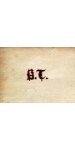
Argot Bastard Tongue Pinot Noir is made from 100 percent Sonoma Pinot Noir.
Inheriting an unbroken string of success, the "Bastard Tongue" arrives fully-formed and ready to impress. Always a blend from multiple Pinot Noir vineyards, this iteration of "BT" was selected from three distinct sites, each making their own unique contribution of Sonoma County terroir to the wine's character.
Exploding forth on a tidal wave of high-toned, intense red and black fruits, this is a Pinot Noir that no stemware can contain. The palate's profound depth is balanced by an inherent freshness, allowing the wine to crackle with brambly energy, while sustained by bass notes of underbrush, black tea, pie spice and baker's chocolate. A formidable rendition of "Bastard Tongue", and a deserving successor to its line.
Night harvested by hand throughout September, cluster and berry sorted by hand, de-stemmed, no crushing. 7-day cold soaks, followed by native fermentation in open-top bins. Average time on the skins, 14 days. Aging 22 months in French oak barriques (95% new). Never racked prior to bottling. Bottled unfined, unfiltered.
Very versatile for pairing. Goes well with grilled meat, vegetable, fish, poultry and cheese.
Review:
"The 2023 'Bastard Tongue' is an utterly delicious Pinot Noir from Argot. It is both vibrant and expressive, with lifted aromas of raspberries, dark cherries and sweet cranberries woven together with notes of lavender, dried violets, baking spices, tea leaf, and mossy notes that remain persistent throughout. On the palate, it reveals a mouthwatering core of juicy red/dark fruit wrapped in supple tannins, with a gorgeous silky texture that speaks to its finesse. What sets this wine apart is its freshness—bright acidity energizes the layers of flavor, giving the wine a lively structure and a clean, extended finish. It's a Pinot Noir that balances depth and elegance with remarkable complexity." - 97 Points, International Wine Report
"Explosive red fruits, cool pine forest, loamy underbrush, five-spice and bakers chocolate. This wine marches down the palate with red-fleshed strawberries, Luxardo cherries and a hint of blood orange. As the finish spins into infinity, the fruit profile evolves from red to black, crescendoing on the palate's persistent lift of sweet and floral spice notes. Magnificent." - 96 Points, Jeb Dunnuck