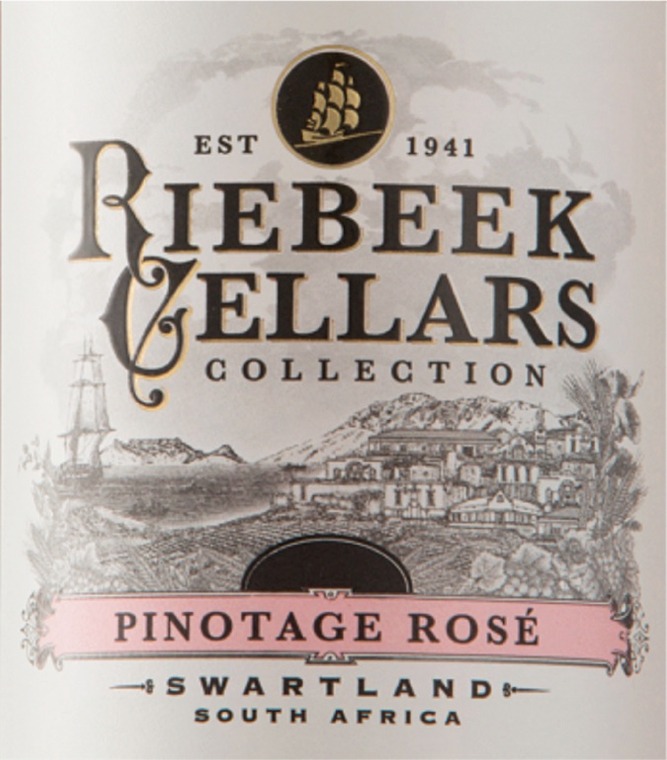
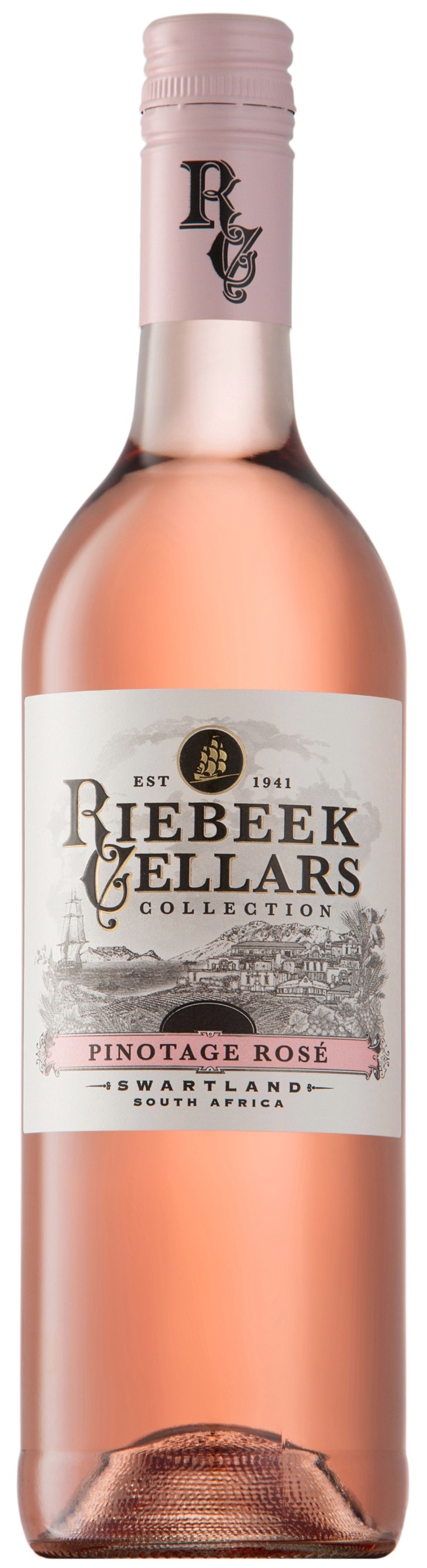
" We don't sell the wine without touching the vine "
| Country: | South Africa |
| Region: | Riebeek Kasteel |
| Winery: | Riebeek Cellars |
| Grape Type: | Pinotage |
| Vintage: | 2014 |
| Bottle Size: | 750 ml |
Pazo de Senorans Seleccion de Anada Albarino is made from 100 percent Albarino.
Straw yellow with greenish tints, vivid and brilliant. High intensity and very expressive. Profusion of aromas with traces of mineral. Great volume and ample body leaving a lasting impression from beginning to end.
Reviews:
I think the 2014 Albariño Selección de Añada could be the finest vintage of this characterful long-aging Albariño, from a year with a more moderate 13% alcohol and very high acidity (and low pH) that make the wine fresher and more vibrant. It is developing very slowly and showing quite young after it spent over 30 months with lees in 1,500- and 3,000-liter stainless steel tanks. It has a pale color and an elegant nose with notes of freshly cut grass, white flowers and wet granite. The palate is vibrant with effervescent acidity, and it has a long, dry and tasty finish with an austere sensation, far away from the tropical notes of some past vintages. This is superb and should continue developing nicely in bottle. Bravo! It wasn't bottled until April 2023, and 14,000 bottles were produced.
-Wine Advocate 96 Points
Tech:
Capezzana Ghiaie Della Furbia Toscana IGT is made from Cabernet Sauvignon 40%, Syrah 35%, Merlot 25%.
In 1979 Ugo Conti Bonacossi created Ghiaie della Furba from vineyards planted among the pebble (Ghiaie) rich soils of the Furba stream. Originally planted with clippings from the famed Chateau Lafite estate in Bordeaux, the wine was made from Cabernet Sauvignon, Cabernet Franc and Merlot until the blend was changed in 1998 with the addition of Syrah. The inclusion of Cabernet Franc was slowly discontinued and today the blend includes Cabernet Sauvignon, Merlot and Syrah and is made only in the best vintages
Review:
This wine starts with pine needles and crunchy red fruit on the nose, with wet slate, cedar and tobacco leaf slowly emerging. The palate turns richer, with cherries, blackberries, dark chocolate, a little tar, coffee and sambuca. Tannins are very firm and the acid vibrant through a long finish.
-Wine Enthusiast 93 Points
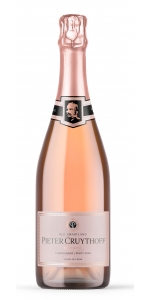
While Pieter Cuythoff humbly named the valley after his patron, Jan van Riebeeck, Riebeek Cellars feels it is only fitting that this wine, which expresses the best of its valley, should carry the name of its founder. So, in honor of Mr. Cruythoff, this range of fine wine bears his name.
Bright red berry notes and a hint of spice is balanced by a luxurious texture & an elegant, lingering, dry finish.
The Chardonnay & Pinot Noir grapes are crushed together. To ensure an array of layered fruit flavors and to capture freshness, we use only free run juice from the crushed grapes. The juice is cold fermented with selected Champagne yeast, blend with a touch of ‘spicy’ Shiraz and then left on the gross lees for 6 months where it undergoes malolactic fermentation and develops the distinct sparkling wine flavors. After the wine is stabilized and filtered it is bottled with CO2 for a Charmat style sparkling wine.
Perfect with a variety of dishes including rich chocolate desserts.
THE LEGEND
Dispatched by Jan van Riebeek in search of the perfect place to grow provisions for the Dutch East India Company, Pieter Cruythoff stumbled upon a beautiful valley. But it was more than just the scenic beauty of this valley that had caught his eye; situated in the lee of the majestic Kasteelberg, the winters were mild, the summers were hot and the soil was uncommonly fertile. What's more, ships spotted from the lookout point on Kasteelberg were just a day away from Cape Town, and so were the wagons that went to meet them, laden with the treasures of the Riebeek Valley.
TIMELESS JEWELS
While he humbly named the valley after his patron, Jan van Riebeek, we feel it is only fitting that our valley's most coveted treasure should carry the name of its founder. So, in honour of Pieter Cruythoff, this range of fine wine bears his name.
From the vibrant whites to the seductive reds, each one is a gem gently coaxed from the fertile soil of that same magical valley. Ironically, much of the valley's bounty still finds its way to Europe, and in particular to the Netherlands, the land of Cruythoff's birth.
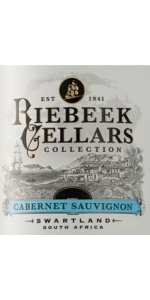
Riebeek Cabernet Sauvignon is made from 85% Cabernet Sauvignon,15 % Shiraz.
An exciting new world style wine with upfront blackcurrant flavors. The black fruit is well-balanced with subtle French oak for a complex nose and an elegant and lingering follow-through. An exceptional example of a lighter style Cabernet Sauvignon that can be enjoyed young. Excellent with red meat dishes or veal.
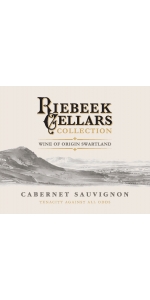
Riebeek Cabernet Sauvignon is made from 100% Cabernet Sauvignon.
An exciting new world style wine with upfront blackcurrant flavors. The black fruit is well-balanced with subtle French oak for a complex nose and an elegant and lingering follow-through. An exceptional example of a lighter style Cabernet Sauvignon that can be enjoyed young. Excellent with red meat dishes or veal.
Cold soaked overnight. Inoculated with selected yeast. Fermentation temperature was between 24 -26 degrees Celsius. Regular pump-overs were given to enhance colour and flavour extraction. Different batches of wine matured with French oak staves and 2nd and 3rd fill barrels were all blended together to perfection.
Served at room temperature, this Cabernet Sauvignon pairs perfectly with red meat dishes, especially classic recipes like roasted leg of lam, grilled lamb chops and beef kebabs.
Riebeek Cabernet Sauvignon is made from 100% Cabernet Sauvignon.
An exciting new world style wine with upfront blackcurrant flavors. The black fruit is well-balanced with subtle French oak for a complex nose and an elegant and lingering follow-through. An exceptional example of a lighter style Cabernet Sauvignon that can be enjoyed young. Excellent with red meat dishes or veal.
Cold soaked overnight. Inoculated with selected yeast. Fermentation temperature was between 24 -26 degrees Celsius. Regular pump-overs were given to enhance colour and flavour extraction. Different batches of wine matured with French oak staves and 2nd and 3rd fill barrels were all blended together to perfection.
Served at room temperature, this Cabernet Sauvignon pairs perfectly with red meat dishes, especially classic recipes like roasted leg of lam, grilled lamb chops and beef kebabs.
Riebeek Cape Rose 2014 is made from 100% Pinotage.
Abundant and distinctive flavors of fresh strawberries and ripe cherries with a crisp dryness on the palate will be charming at many occasion.
Harvested at an average of 24 degrees balling.
100% Pinotage grapes were harvested early in the morning and left on the skins until enough color and flavor were extracted. The juice was settled overnight and then inoculated with selected yeast. Cold fermentation ensured capturing of all the natural fruit flavors.
Enjoy well-chilled with lighter meals like pasta, salmon, and salads, or as a glass on its own with good friends.
The Riebeek Cellars Estate
Riebeek Cellars was established in 1941 and is situated in Riebeek Kasteel at the foot of Bothma's Kloof Pass. This medium-sized winery on the western coast of the Cape Province of South Africa sources its grapes from the fertile Riebeek Valley and the slopes of the mountain where the climate is very similar to the Mediterranean. Through the years as vineyard practices developed, cultivars were planted in soil and at slopes best suited to them. These well-tended vineyards enable the production of high quality wines which makes Riebeek Cellars the choice of wine buyers internationally. Well-known both in South Africa and abroad, Riebeek Cellars manages a variety of brands for various countries.
Heritage
Corporal Pieter Cruythoff, a scout of Jan van Riebeeck, founded the Riebeek Valley in 1661. Impressed by the single standing mountain, he called it Kasteelberg (“Castle Mountain”) commemorating the Castle of Good Hope in Cape Town, the fortress of Commander Jan van Riebeeck. The twin towns, Riebeek Kasteel and Riebeek West, established at the foot of Kasteelberg, are therefore also suitably named after Van Riebeeck.
The Riebeek Valley is a mecca of wonderful wines, exceptional food and exquisite art where tourists and locals alike are forever tempted into spending more time than allowed. The serene valley falls in the bigger Swartland region which is called the 'bread basket' of South Africa for its grain production, while it is further internationally acclaimed for its high quality olive products. With various hotels and fine-dining restaurants as well as true country hospitality, the Riebeek Valley has become a very popular tourist destination. The ultimate charm of Riebeek is however in its people and their commitment and passion for wine.
"Located in the Western Cape region of South Africa, this winery was established in 1941, which makes it relatively old compared to all the new wineries that have sprung up in this area. Among the first Pinotages I can recommend, it’s also a good value. Pinotage, which is, of course, ubiquitous in South Africa, was first made in 1941, when the Cinsault grape (primarily grown in southern France and the Rhone Valley) was crossed with Pinot Noir." - Robert Parker's Wine Advocate (Issue 201, June 2012).
A brooding and intense wine. The aromas begin with notes of blueberry, cassis, a hint of lavender followed by a myriad of exotic spices, some hazelnut, thyme and an element of licorice. Firm, mature tannins—evidence of Ten's ageability—are followed by a long, velvety finish.
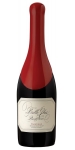
Dark plum in color with abundant aromas of dark chocolate, black cherry, and sun-ripened blackberry with a hint of cedar. Layered flavors of blackberry and raspberry pie filling, accompanied by notes of cinnamon, chocolate, and nutmeg play on the palate. Smooth and focused with refined tannins and a medium finish.