" We don't sell the wine without touching the vine "
| Country: | South Africa |
| Region: | Riebeek Kasteel |
| Winery: | Riebeek Cellars |
| Grape Type: | Merlot |
| Vintage: | 2017 |
| Bottle Size: | 750 ml |
Riebeek Cellars Merlot is made from 100% Merlot.
Grapes were cold soaked overnight. Inoculated with selective yeast. Fermentation took place at 24 - 26 degree Celsius. Wine were pressed at
above 2 degree Balling. Malolactic fermentation finished in stainless steel tanks. Oak maturation include French oak chips, French oak staves and 2nd and 3rd fill barrels. All blended together to perfection.
The style is elegant with distinctive red berries and well-integrated wood flavors on the nose. The pallet is velvety and smooth with an aftertaste that lingers with the juicy flavors of abundant berries.
At room temperature or slightly chilled. Enjoy with pasta or light meat dishes.
Riebeek Cabernet Sauvignon is made from 85% Cabernet Sauvignon,15 % Shiraz.
An exciting new world style wine with upfront blackcurrant flavors. The black fruit is well-balanced with subtle French oak for a complex nose and an elegant and lingering follow-through. An exceptional example of a lighter style Cabernet Sauvignon that can be enjoyed young. Excellent with red meat dishes or veal.
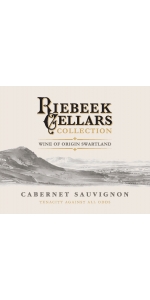
Riebeek Cabernet Sauvignon is made from 100% Cabernet Sauvignon.
An exciting new world style wine with upfront blackcurrant flavors. The black fruit is well-balanced with subtle French oak for a complex nose and an elegant and lingering follow-through. An exceptional example of a lighter style Cabernet Sauvignon that can be enjoyed young. Excellent with red meat dishes or veal.
Cold soaked overnight. Inoculated with selected yeast. Fermentation temperature was between 24 -26 degrees Celsius. Regular pump-overs were given to enhance colour and flavour extraction. Different batches of wine matured with French oak staves and 2nd and 3rd fill barrels were all blended together to perfection.
Served at room temperature, this Cabernet Sauvignon pairs perfectly with red meat dishes, especially classic recipes like roasted leg of lam, grilled lamb chops and beef kebabs.
Riebeek Cabernet Sauvignon is made from 100% Cabernet Sauvignon.
An exciting new world style wine with upfront blackcurrant flavors. The black fruit is well-balanced with subtle French oak for a complex nose and an elegant and lingering follow-through. An exceptional example of a lighter style Cabernet Sauvignon that can be enjoyed young. Excellent with red meat dishes or veal.
Cold soaked overnight. Inoculated with selected yeast. Fermentation temperature was between 24 -26 degrees Celsius. Regular pump-overs were given to enhance colour and flavour extraction. Different batches of wine matured with French oak staves and 2nd and 3rd fill barrels were all blended together to perfection.
Served at room temperature, this Cabernet Sauvignon pairs perfectly with red meat dishes, especially classic recipes like roasted leg of lam, grilled lamb chops and beef kebabs.
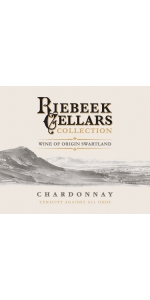
Riebeek Chardonnay is made from 100 percent Chardonnay.
This unoaked Riebeek Chardonnay displays a brilliant green-gold color. The style is dry but fruity. The nose offers exceptional tropical aromas that follow through in the palate with a well-rounded finish of lingering citrus fruits. It is lovely with most entrees from crisp salads to creamy soups and chicken, whether served grilled or in a creamy sauce.
Free run juice was used. After settling and acid adjustment, juice was inoculated with selected yeast. Fermentation temperature remained between 13-14 degrees Celsius. Wine was left on lees for a few months prior to bottling to enhance the flavour.
It is lovely with most entrees, from crisp salads to creamy soups and chicken, whether served grilled or in a creamy sauce.
Riebeek Chardonnay is made from 100 percent Chardonnay.
This unoaked Riebeek Chardonnay displays a brilliant green-gold color. The style is dry but fruity. The nose offers exceptional tropical aromas that follow through in the palate with a well-rounded finish of lingering citrus fruits. It is lovely with most entrees from crisp salads to creamy soups and chicken, whether served grilled or in a creamy sauce.
Free run juice was used. After settling and acid adjustment, juice was inoculated with selected yeast. Fermentation temperature remained between 13-14 degrees Celsius. Wine was left on lees for a few months prior to bottling to enhance the flavour.
It is lovely with most entrees, from crisp salads to creamy soups and chicken, whether served grilled or in a creamy sauce.
Riebeek Cellars Merlot is made from 100% Merlot.
Grapes were cold soaked overnight. Inoculated with selective yeast. Fermentation took place at 24 - 26 degree Celsius. Wine were pressed at
above 2 degree Balling. Malolactic fermentation finished in stainless steel tanks. Oak maturation include French oak chips, French oak staves and 2nd and 3rd fill barrels. All blended together to perfection.
The style is elegant with distinctive red berries and well-integrated wood flavors on the nose. The pallet is velvety and smooth with an aftertaste that lingers with the juicy flavors of abundant berries.
At room temperature or slightly chilled. Enjoy with pasta or light meat dishes.
The Riebeek Cellars Estate
Riebeek Cellars was established in 1941 and is situated in Riebeek Kasteel at the foot of Bothma's Kloof Pass. This medium-sized winery on the western coast of the Cape Province of South Africa sources its grapes from the fertile Riebeek Valley and the slopes of the mountain where the climate is very similar to the Mediterranean. Through the years as vineyard practices developed, cultivars were planted in soil and at slopes best suited to them. These well-tended vineyards enable the production of high quality wines which makes Riebeek Cellars the choice of wine buyers internationally. Well-known both in South Africa and abroad, Riebeek Cellars manages a variety of brands for various countries.
Heritage
Corporal Pieter Cruythoff, a scout of Jan van Riebeeck, founded the Riebeek Valley in 1661. Impressed by the single standing mountain, he called it Kasteelberg (“Castle Mountain”) commemorating the Castle of Good Hope in Cape Town, the fortress of Commander Jan van Riebeeck. The twin towns, Riebeek Kasteel and Riebeek West, established at the foot of Kasteelberg, are therefore also suitably named after Van Riebeeck.
The Riebeek Valley is a mecca of wonderful wines, exceptional food and exquisite art where tourists and locals alike are forever tempted into spending more time than allowed. The serene valley falls in the bigger Swartland region which is called the 'bread basket' of South Africa for its grain production, while it is further internationally acclaimed for its high quality olive products. With various hotels and fine-dining restaurants as well as true country hospitality, the Riebeek Valley has become a very popular tourist destination. The ultimate charm of Riebeek is however in its people and their commitment and passion for wine.
"Located in the Western Cape region of South Africa, this winery was established in 1941, which makes it relatively old compared to all the new wineries that have sprung up in this area. Among the first Pinotages I can recommend, it’s also a good value. Pinotage, which is, of course, ubiquitous in South Africa, was first made in 1941, when the Cinsault grape (primarily grown in southern France and the Rhone Valley) was crossed with Pinot Noir." - Robert Parker's Wine Advocate (Issue 201, June 2012).
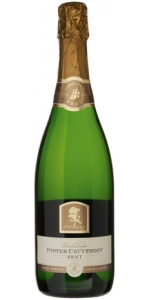
Dry but fruity with a complex nose of tropical fruit and enhancing biscuit flavours. Crisp acid ensures a fresh, clean and verydrinkable sparkling wine.
Serving suggestion: Well chilled to make any occasion festive.
THE LEGEND
Dispatched by Jan van Riebeek in search of the perfect place to grow provisions for the Dutch East India Company, Pieter Cruythoff stumbled upon a beautiful valley. But it was more than just the scenic beauty of this valley that had caught his eye; situated in the lee of the majestic Kasteelberg, the winters were mild, the summers were hot and the soil was uncommonly fertile. What's more, ships spotted from the lookout point on Kasteelberg were just a day away from Cape Town, and so were the wagons that went to meet them, laden with the treasures of the Riebeek Valley.
TIMELESS JEWELS
While he humbly named the valley after his patron, Jan van Riebeek, we feel it is only fitting that our valley's most coveted treasure should carry the name of its founder. So, in honour of Pieter Cruythoff, this range of fine wine bears his name.
From the vibrant whites to the seductive reds, each one is a gem gently coaxed from the fertile soil of that same magical valley. Ironically, much of the valley's bounty still finds its way to Europe, and in particular to the Netherlands, the land of Cruythoff's birth.
Riebeek Cabernet Sauvignon is made from 85% Cabernet Sauvignon,15 % Shiraz.
An exciting new world style wine with upfront blackcurrant flavors. The black fruit is well-balanced with subtle French oak for a complex nose and an elegant and lingering follow-through. An exceptional example of a lighter style Cabernet Sauvignon that can be enjoyed young. Excellent with red meat dishes or veal.
Joseph Phelps Insignia is made of 93% Cabernet Sauvignon, 5% Petit Verdot and 2% Malbec.
The 2019 Insignia opens with heady aromatics of red fruit, crème de cassis, leafy tobacco and delicate dried rose petals. The palate is juicy and dense with expressive layers of blackberry, raspberry, black currant, and dark chocolate. A dynamic wine offering captivating energy, length, complexity and refinement. The 2019 Insignia marks the first vintage to include fruit from the new Joseph Phelps vineyard named El Venadito, located in the Oak Knoll District, just south of the winery’s Yountville Vineyard.
Review:
Another beautiful wine from this team, the 2019 Insignia is mostly Cabernet Sauvignon but includes smaller amounts of Merlot and Malbec, brought up all in new barrels, sourced from seven estate vineyards. It has a classic varietal and incredibly complex nose of crème de cassis, freshly sharpened pencils, green tobacco, and damp earth, with a kiss of background sappy spring flowers. Seemingly from a cooler year with its freshness, vibrancy, and herbal, floral character on the nose, it's nevertheless full-bodied and beautifully concentrated on the palate, with ultra-fine tannins, a seamless, layered mouthfeel, and a gorgeous finish. Unquestionably up with the finest vintages of this cuvée, this is legit awesome juice that’s going to offer incredible pleasure over the coming 20-25 years. Hats off to winemaker Ashley Hepworth.
- Jeb Dunnuck 99 Points

Larroque Bordeaux Blanc is made from 73% Sauvignon Blanc and 27% Colombard.
No oak.
Color : Pale yellow with green tints.
Nose : Complex aromas of white flowers, exotic fruits, citrus and boxwood, with a touch of minerality.
Mouth : Aromatic, with a nice richness and freshness. Predominant flavors of tart, crisp fruit.
Marie-Christine, the daughter of Henri Ducourt, purchased this prestigious left-bank property in 1979, which lies on the border of the Graves appellation.
The 60-hectare vineyard was rapidly replanted and the château building, which dates from 1348, was restored.
Our family now produces three different-colored wines there: red, white and rosé.
Grown on loamy-clay soil.
Harvest : Machine harvesting in the cool, early morning
Maceration : Skin-contact maceration for several hours, depending on ripeness, and pressing
Fermentation : Beginning of the cold alcoholic fermentation (12°C / 53°F) then an increase in temperature to finish the fermentation at 20°C / 68°F.
Enjoy this wine as an aperitif or during the meal with fish, seafood or chicken salad.