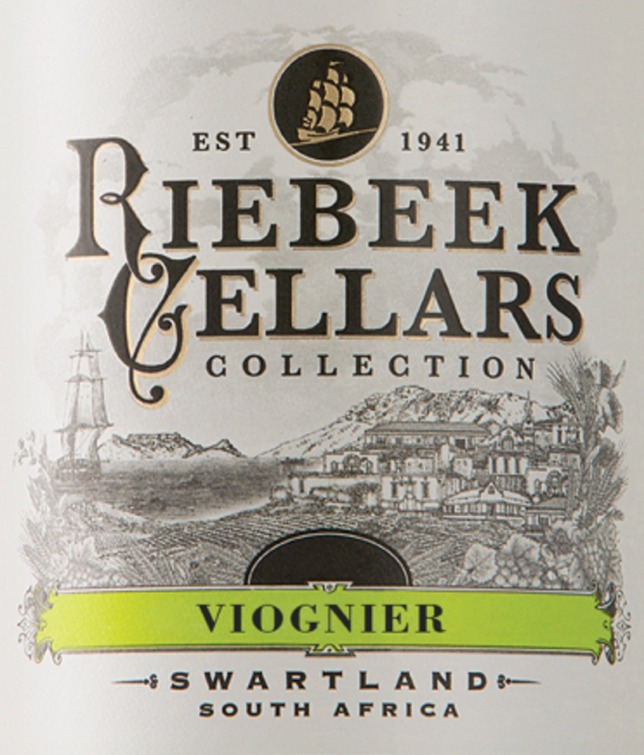
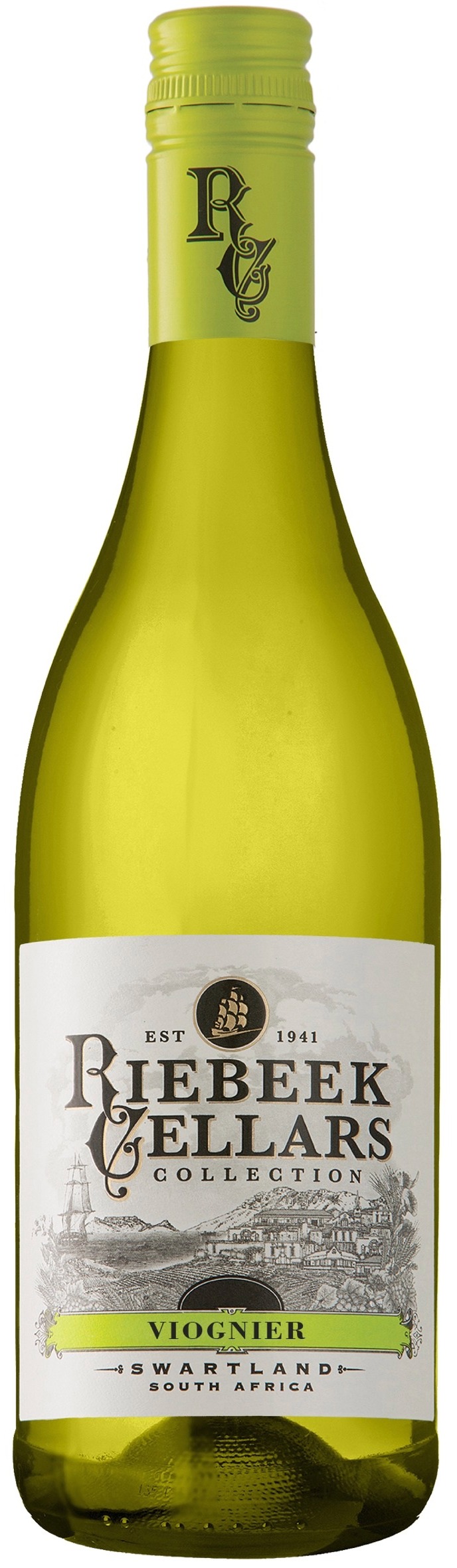
" We don't sell the wine without touching the vine "
| BUY MORE! SAVE MORE! | ||||||||||||||||
|
| Country: | South Africa |
| Region: | Riebeek Kasteel |
| Winery: | Riebeek Cellars |
| Grape Type: | Viognier |
| Vintage: | 2024 |
| Bottle Size: | 750 ml |
This unoaked style of Viognier offers an accessible wine with enough body but without wood flavors.
The color is a brilliant green-gold and the style is dry but fruity. The perfume of a floral bouquet greets the nose and follows through with lovely tropical flavors in a light but lingering palate.
Free run juice was used. After settling and acid adjustment, it was inoculated with selected yeast. Fermentation temperature stayed between 13-14 degree Celsius. Wine was left on lees for few months prior to bottling to enhance the flavor. Alcohol: 13.82% Residual Sugar: 3.4 Total Acidity: 5.3 pH: 3.5
Slightly chilled. Lovely with most entrees - from crisp salads to creamy soups. Beautiful with chicken and fish - whether served grilled or in a creamy sauce.
The Riebeek Cellars Estate
Riebeek Cellars was established in 1941 and is situated in Riebeek Kasteel at the foot of Bothma's Kloof Pass. This medium-sized winery on the western coast of the Cape Province of South Africa sources its grapes from the fertile Riebeek Valley and the slopes of the mountain where the climate is very similar to the Mediterranean. Through the years as vineyard practices developed, cultivars were planted in soil and at slopes best suited to them. These well-tended vineyards enable the production of high quality wines which makes Riebeek Cellars the choice of wine buyers internationally. Well-known both in South Africa and abroad, Riebeek Cellars manages a variety of brands for various countries.
Heritage
Corporal Pieter Cruythoff, a scout of Jan van Riebeeck, founded the Riebeek Valley in 1661. Impressed by the single standing mountain, he called it Kasteelberg (“Castle Mountain”) commemorating the Castle of Good Hope in Cape Town, the fortress of Commander Jan van Riebeeck. The twin towns, Riebeek Kasteel and Riebeek West, established at the foot of Kasteelberg, are therefore also suitably named after Van Riebeeck.
The Riebeek Valley is a mecca of wonderful wines, exceptional food and exquisite art where tourists and locals alike are forever tempted into spending more time than allowed. The serene valley falls in the bigger Swartland region which is called the 'bread basket' of South Africa for its grain production, while it is further internationally acclaimed for its high quality olive products. With various hotels and fine-dining restaurants as well as true country hospitality, the Riebeek Valley has become a very popular tourist destination. The ultimate charm of Riebeek is however in its people and their commitment and passion for wine.
"Located in the Western Cape region of South Africa, this winery was established in 1941, which makes it relatively old compared to all the new wineries that have sprung up in this area. Among the first Pinotages I can recommend, it’s also a good value. Pinotage, which is, of course, ubiquitous in South Africa, was first made in 1941, when the Cinsault grape (primarily grown in southern France and the Rhone Valley) was crossed with Pinot Noir." - Robert Parker's Wine Advocate (Issue 201, June 2012).

Riebeek Chardonnay is made from 100 percent Chardonnay.
This unoaked Riebeek Chardonnay displays a brilliant green-gold color. The style is dry but fruity. The nose offers exceptional tropical aromas that follow through in the palate with a well-rounded finish of lingering citrus fruits. It is lovely with most entrees from crisp salads to creamy soups and chicken, whether served grilled or in a creamy sauce.
Free run juice was used. After settling and acid adjustment, juice was inoculated with selected yeast. Fermentation temperature remained between 13-14 degrees Celsius. Wine was left on lees for a few months prior to bottling to enhance the flavour.
It is lovely with most entrees, from crisp salads to creamy soups and chicken, whether served grilled or in a creamy sauce.
Riebeek Chardonnay is made from 100 percent Chardonnay.
This unoaked Riebeek Chardonnay displays a brilliant green-gold color. The style is dry but fruity. The nose offers exceptional tropical aromas that follow through in the palate with a well-rounded finish of lingering citrus fruits. It is lovely with most entrees from crisp salads to creamy soups and chicken, whether served grilled or in a creamy sauce.
Free run juice was used. After settling and acid adjustment, juice was inoculated with selected yeast. Fermentation temperature remained between 13-14 degrees Celsius. Wine was left on lees for a few months prior to bottling to enhance the flavour.
It is lovely with most entrees, from crisp salads to creamy soups and chicken, whether served grilled or in a creamy sauce.
Riebeek Chardonnay is made from 100 percent Chardonnay.
This unoaked Riebeek Chardonnay displays a brilliant green-gold color. The style is dry but fruity. The nose offers exceptional tropical aromas that follow through in the palate with a well-rounded finish of lingering citrus fruits. It is lovely with most entrees from crisp salads to creamy soups and chicken, whether served grilled or in a creamy sauce.
Free run juice was used. After settling and acid adjustment, juice was inoculated with selected yeast. Fermentation temperature remained between 13-14 degrees Celsius. Wine was left on lees for a few months prior to bottling to enhance the flavour.
It is lovely with most entrees, from crisp salads to creamy soups and chicken, whether served grilled or in a creamy sauce.

Riebeek Pinotage is made from 100 percent Pinotage.
The color is an attractive bright, ruby red with a purple rim, typical of a young Pinotage. The flavors of this unique South African cultivar are complex and exciting with ripe plum and fruitcake all beautifully integrated and then finished with subtle oak for a lingering aftertaste.
Lovely with rare beef, barbequed lamb and casseroles. This versatile lighter style of Pinotage is also a lovely combination with spicy chicken.

Riebeek Sauvignon Blanc is 100 percent Sauvignon Blanc.
Made in a definite herbaceous style, this Sauvignon Blanc also offers tropical undertones of gooseberries that add fruit to the palate. Well-balanced with zesty acidity; fresh & crisp.
Treated as reductively as possible. Juice settled for 2 weeks at -4 Celsius to give green lees contact. Blocks fermented separately to ensure a complex flavor profile after blending. After fermentation was completed, various wines were blended to obtain the best characteristics of each wine.
Very refreshing on its own and lovely with crisp salads, light seafood dishes, tapas, steamed green asparagus and aioli.

Siegel Naranjo Orange Wine Viognier is made from 100% Viognier.
This wine has a nice gold color with some pink hues. On the nose, it shows some sweet notes of spices, dry nuts, white flowers, as well as some light notes of huesillo (dry peaches). In the mouth it shows a beautiful acidity, with a nice mouthfeel and structure and a good length to the finish.
Pair with rich fish and meat dishes, cheeses, appetizer and dessert.

Riebeek Cabernet Sauvignon is made from 85% Cabernet Sauvignon,15 % Shiraz.
An exciting new world style wine with upfront blackcurrant flavors. The black fruit is well-balanced with subtle French oak for a complex nose and an elegant and lingering follow-through. An exceptional example of a lighter style Cabernet Sauvignon that can be enjoyed young. Excellent with red meat dishes or veal.

Riebeek Cabernet Sauvignon is made from 100% Cabernet Sauvignon.
An exciting new world style wine with upfront blackcurrant flavors. The black fruit is well-balanced with subtle French oak for a complex nose and an elegant and lingering follow-through. An exceptional example of a lighter style Cabernet Sauvignon that can be enjoyed young. Excellent with red meat dishes or veal.
Cold soaked overnight. Inoculated with selected yeast. Fermentation temperature was between 24 -26 degrees Celsius. Regular pump-overs were given to enhance colour and flavour extraction. Different batches of wine matured with French oak staves and 2nd and 3rd fill barrels were all blended together to perfection.
Served at room temperature, this Cabernet Sauvignon pairs perfectly with red meat dishes, especially classic recipes like roasted leg of lam, grilled lamb chops and beef kebabs.

My Favorite Neighbor Cabernet Sauvignon is made from 79% Cabernet Sauvignon, 8% Malbec, 6% Syrah, 4% Petite Sirah, 3% Petit Verdot.
A homage to Stephan Asseo of L’Aventure Winery became an obsession. Sourced from exceptional vineyard sites around Paso Robles, San Luis Obispo and south to Edna Valley, this wine is cultivated meticulously by the farmers who have become My Favorite Neighbors. With their dedication to the land, we are able to craft a world class wine without any shortcuts or compromises. Welcome to our Neighborhood.
The 2022 My Favorite Neighbor is everything you’ve come to expect from our flagship Cabernet Sauvignon, sourced from our favorite Paso Robles growers who lend their neighborly spirit to the wine. Effusive aromas of raspberry and currant reveal notes of blue fruit and purple flower. On the palate, juicy red fruits are interwoven with hints of black cherry, cinnamon and toasted oak. Structured tannins carry into a long, chewy finish. Whether it’s a casual backyard barbecue or a fine celebratory meal, this versatile wine has you covered for summer and beyond.

Trus Albillo Mayor Reserva Ribera del Duero is made from 100% Albillo Mayor.
Light straw yellow color despite its age. Aromas of white flowers and grapefruit typical of the variety, along with some very light notes of toasted wood and of long bottle ageing. Very well-balanced on the palate, with the characteristic fullness of the variety and a very refreshing natural acidity which bodes well for the wine's ageing. A wine for ageing which already displays all its complexity and elegance. We recommend consumption at a temperature of between 8 and 12ºC.
Grapes are coming from a Goblet-trained vineyards in Peñaranda de Duero. Dry-farmed, without irrigation. Different orientations and altitudes.
TA: 6 g/l in tartaric acidity.
VA: 0.4g/l.
pH: 3.3.