
" We don't sell the wine without touching the vine "
| BUY MORE! SAVE MORE! | ||||||||||||||||
|
| Country: | United States |
| Region: | California |
| Winery: | Flanagan Winery |
| Grape Type: | Cabernet Sauvignon |
| Organic: | Yes |
| Vintage: | 2017 |
| Bottle Size: | 750 ml |
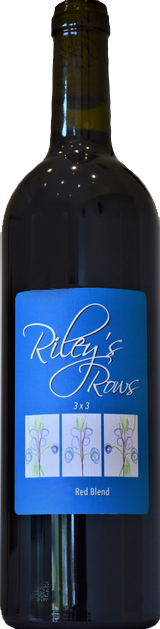
Riley's Rows 3x3 Red Blend is made from 36% Cabernet Sauvignon, 35% Syrah, 29% Merlot
Riley’s Rows "Three by Three" Proprietary Red Blend North Coast is a great wine from some of the winery's favorite North Coast vineyard sites. The Merlot is from their Brandt ranch in Lake County…which, is one of the best vineyards in Lake County. The Cabernet and Syrah are both from great Sonoma County sites.
Riley’s Rows 3 x 3 displays a nose of ripe plum and Bing cherries with a hint of cocoa. The palate opens with ripe red berries. The mid-palate offers a delicious melange of blackberry, Rainer Cherry, and nutmeg. The wine has a long finish, very balanced acidity, and soft tannins. The wine is approachable now but will age nicely for many years to come!
Flanagan Winery:
Eric Flanagan is the founder and visionary behind the Flanagan wines and Flanagan brand.
Our journey into wine began with a love of wine and an appreciation of the places that create unique wines. In the early 1990’s, wine quality exploded higher in Sonoma and Napa. It was an exciting time to be a consumer of wines from Northern California and a great time to come and meet the vintners who were responsible for these inspiring new wines. We began in 1999 with the purchase of forty acres in Bennett Valley. In 2011, we acquired a small Russian River Valley vineyard, and, starting with the 2014 vintage, we have added vineyard designated wines from top vineyards in the Russian River Valley and the Sonoma Coast. Vineyard sources now include Ritchie Vineyard and Bacigalupi Vineyard for Chardonnay, and Sunchase and Sonoma Stage for Pinot Noir. In 2015, we will also add the iconic Platt Vineyard as a source for both Chardonnay and Pinot Noir. We believe that Platt may be the best vineyard in California for those varieties.
Sustainability at Flanagan:
There are a few marketing buzzwords that are prevelant in the wine industry right now that can be very confusing to the consumer. Terms like organic, biodynamic, sustainable... What exactly do those terms mean? To us, it's very simple. Sustainabliltiy means we farm our vineyards with long term mindset. We do everything we can to ensure that this land will be as healthy, or healthier than it was when we found it. We are in the process of having our vineyards certified as sustainable by the California Sustainable Winegrowers Alliance "CSWA".
Sonoma County is making a huge push to be the first farm community to be 100% certified sustainable. The CSWA program has 138 catagories for vineyard owners to self assess and then they support the process with an outside auditor. Sonoma County has hired a full time sustainablility coordinator and is making great progress towards our goal of have all of the vineyards in Sonoma County farmed sustainably.
Proprietor Eric Flanagan:
Eric came to the wine business from a love of wine. His family did not own a winery or a vineyard, and Eric did not grow up on a farm. Through his travels Eric became fascinated by how grapes of the same variety expressed themselves in different places. From New Zealand to Greece, Eric visited wine growing regions around the world, but in the late 90's he chose to create his vision in Sonoma. He started in 1999 with the purchase of 40 acres on the side of Bennett Mountain and expanded in 2011 with the purchase of their Russian River Valley site. Flanagan is now producing wines from several of the top vineyards in Sonoma County under their vineyard designate program. Flanagan is becoming known for making great wines from the best vineyards in Sonoma County.
Eric, Kit, and their 3 daughters (Riley, Lola, and Ruby) make their home at the Three Starrs Vineyard along with 3 dogs, 10 ducks, 4 Dwarf Nigerian goats, 2 geese, 1 donkey, and 1 mule (also named Ruby).
Winemaker Cabell Coursey:
Cabell joined Flanagan Vineyards as Winemaker in 2014. His obsession with winemaking began with a harvest in Burgundy while he was enjoying an undergraduate semester abroad. After finishing his B.S., Cabell spent a few vintages picking grapes and scrubbing floors in Burgundy, and then moved up to Oregon’s Willamette Valley. Following his time in Oregon, Cabell traveled to Christchurch, New Zealand, where earned degrees in Enology and Viticulture from Lincoln University. During his time in New Zealand Cabell focused on cool climate viticulture, which serves him very well in his current role at Flanagan. Cabell has also held winemaking positions at Alder Springs Vineyard, Dumol, and Kosta Browne.
Cabell’s approach to winemaking is to use his senses in conjunction with his knowledge in biology, chemistry, and farming.
Cabell describes his philosophy:
“Winemaking is the culmination of a vast number of decisions. Starting with the site, the farming practice, the response to weather conditions, the picking date, the tank and barrel programs, ferment protocols, and continuing through blending and bottling. It is the daily decisions, actions, and sometimes lack of action that unlocks a vineyard’s highest potential. This quest to reveal each vineyards unique personality, while dealing with the challenges inherent in farming, is what makes winemaking challenging, interesting, and highly rewarding. My goal is always the same, to deliver each vineyard’s best expression in each vintage and to make a wine where the last glass is better than the first.”
The vineyards represents 69 acres in total:
Graves vineyards is 13 acres, planted with Syrah (6 acres), Cabernet Sauvignon (4 acres) and Merlot (3 acres).
Platt vineyards is 34 acres, planted with Chardonnay (13 acres) and Pinot Noir (18 acres) and Riesling (1.4 acres)
and Gaps View is 22 acres, all planted with Pinot Noir.
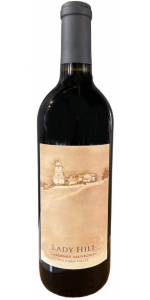
Lady Hill Cabernet Sauvignon Columbia Valley is made from 100% Cabernet Sauvignon.
Intense hues range from wine purple to sangria showcasing Cabernet Sauvignon’s genetic predisposition to tiny berries packed with color making molecules called anthocyanidins. Chocolate covered cherry and subtle blackberry liqueur combine New World fruit flavors with savory olive tapenade, dried herb de provence and a tinge of minerality found in ancient volcanic soils. The subtle wood impact of 10% new and once filled barrels keeps the focus on fruit and spice, while maintaining the characteristic dusty tannins and lingering finish that Cabernet Sauvignon has become famous for.
Pair with pan roasted veal chops, grilled veggie pizza or a can of Cougar Gold Cheddar.
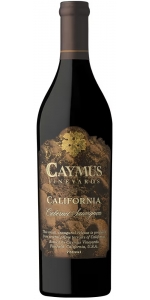
I feel this wine expresses the greatness of California and its hidden pockets where Cabernet can excel. The cold Pacific Ocean running the entire length of the state presents maritime influences – and with each small distance eastward the climate warms. Stony soils, south facing slopes and moderately warm conditions are the keys to producing dark, rich and good tasting Cabernet.
A small release from Caymus Vineyards, this wine is a California-appellation Cabernet Sauvignon – supple, dark and rich, bearing the signature hallmarks of Caymus. It is sourced from sites throughout the state which feature climatic conditions, soils and topography that are ideally suited to Cabernet. This project stems from excitement over California's diverse vineyard land, often in lesser-known areas, with the potential to produce exceptional Cabernet.
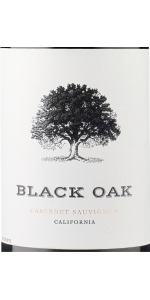
The Black Oak Cabernet Sauvignon is garnet red in color, refreshing and inviting to the palate. The wine’s aromas are layered with rich plum notes and a warm cedar component. The ripe, dark cherry flavors, are reminiscent of decadent blackberries with a nice sprinkling of dried herbs. With a mellow tannin structure, this medium-bodied wine is delicious and well-integrated.
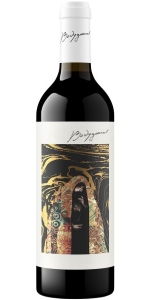
DAOU Vineyards Bodyguard Red is made from 65% Petit Verdot, 35% Petite Sirah.
The 2020 Bodyguard is the newest edition to this exceptional collection from winemaker Daniel Daou. Bold and brooding, it displays a vivid, deep purple hue accompanied by an intense nose of chocolate-covered blueberry, black raspberry, Zante currant, pencil lead and damp forest floor. Secondary layers reveal notes of kirsch, fennel, black olive and a hint of cool wintergreen. A lush palate of black plum, dried cherry and blackberry is supported by a firm structure with polished fine-grained tannins. Highlights of dusty leather, dried sage and truffle add layers of complexity that complement the rich, dark fruit. The finish strikes an impressive balance of power and grace, with lingering notes of currant, dark chocolate and crushed stone minerality that enhance the fullness of the experience.
Review:
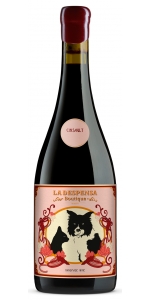
La Despensa Boutique Cinsault is made from 100% Cinsault.
A genuinely unique wine - they are the only producers of Cinsault in Colchagua! From a new vineyard planted in 2017, the team at La Despensa thinks they’ve hit the jackpot with this variety in this valley. Much more structure, color and intensity than the typical Chilean Cinsaults from further south, this is an easy drinking but serious version of this wonderfully fruity variety!
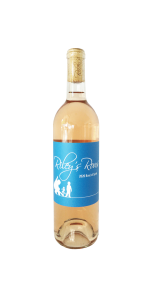
Rileys Rows Rose of Syrah is made from 100 percent Syrah.
When I think about my rosé one word comes to mind: intentional. Made from 100% syrah and pressed off skins in the Provencal style this wine is not just an afterthought. Typically picked in mid-October from a cool climate site the fruit comes in with both chemical and flavor ripeness. The result is a low alcohol, fresh wine with a complete flavor profile
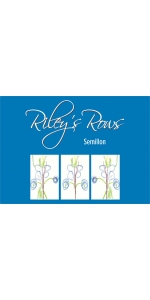
Very clean and fresh. Notes of honeysuckle and peach blossom in the nose. White nectarine and charentais melon on the palate. Fresh, clean, and nice salinity on the finish.
Pairs with melon and proscutto, mild cheeses, fresh shellfish.
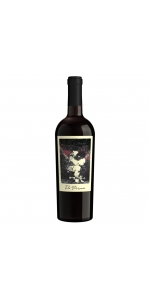
The Prisoner Wine Company The Prisoner Red Blend is made from a blend of Zinfandel, Cabernet Sauvignon, Petite Sirah, Syrah, and Charbono.
Bright aromas of ripe raspberry, vanilla, and coconut give way to flavors of fresh and dried blackberry, pomegranate, and vanilla, which linger harmoniously for a smooth and luscious finish.The Prisoner Red Blend was inspired by the wines first made by the Italian immigrants who originally settled in Napa Valley. The Prisoner is now the most recognized red blend, leading the resurgence of interesting blends by incorporating Zinfandel with the unlikely mix of Cabernet Sauvignon, Petite Sirah, Syrah, and Charbono.
On the nose, dried blackberry, dried açai berries, and hints of cedar and tobacco leaf are accented by sweet spices of clove, cinnamon, and nutmeg. Flavors of ripe dark cherry, blackberry coulis, and hints of anise linger harmoniously for a soft, vibrant finish balanced by ripe tannins.
Chef Brett recommends pairing The Prisoner Red Blend with Kalbi Short Ribs or Chicken Mole Tostada.
Vineyards: When you outgrow winemaking tradition, you must forge your own path. And we did. The Prisoner exists because of the collaboration with our growers, many of which have been with us since the very beginning—from the Solari Family Vineyard in Calistoga, where old school sensibilities meet new techniques, to the Korte Ranch in St. Helena, a vineyard whose diligence outlasted the Prohibition and has sustained four generations.
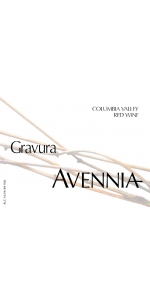
Avennia Gravura Red Blend is made from 48% Cabernet Sauvignon, 41% Merlot, 11% Cabernet Franc
Gravura is our ode to the Graves AOC of Bordeaux, emphasizing a harmony of Cabernet Sauvignon and Merlot. The name is a play on an artisan printing technique, and on the Bordeaux region of Graves, which features similar blends. Featuring more Merlot and with the addition of Red Mountain fruit, this wine is designed to be more generous and voluptuous in style, while still remaining complex and balanced.
Gravura Tasting Notes: Beautiful nose of red and black fruits, some savory leaf notes, mocha, pencil shavings. The palate is elegant and balanced, almost pretty: raspberry, black and red currants, milk chocolate and caressing tannins. Finish medium-long and ethereal.
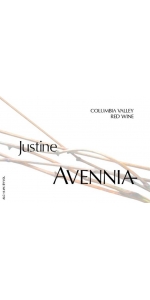
Avennia Justine Red Blend 56% Grenache, 31% Mourvèdre, 13% Syrah
Justine reflects our belief that Washington is capable of producing world class blends of grape varieties traditional to the Southern Rhone region of France. The name is inspired by one of the great heroines of recent literature, who also sprung from the imagination of the Mediterranean. Dark, seductive, complex, with a chasm of depth: The Justine is a great reflection of Avennia's mission of expression, and Washington's generous terroir.
Tasting Note: Big black cherry, blackberry, hints of orange peel, fresh herbs and loam on the nose. Plush and round on the palate. Dark earthy fruits from the Mourvedre, along with citrus high notes, mountain flowers, jasmine, and savory herbs. Balanced and complex without forgetting its hedonistic roots in the Southern Rhone.
Review:
A blend of 56% Grenache, 31% Mourvèdre, 13% Syrah brought up all in older oak, the 2016 Justine offers a great core of black fruits as well as lots of peppery herbs, earth, and classic meatiness. It looks to be a great vintage for this cuvée."
- Jeb Dunnuck (April 2018), 92-94 pts
Avennia Justine Red Blend 61% Grenache, 21% Mourvèdre, and 18% Syrah.
Justine reflects our belief that Washington is capable of producing world class blends of grape varieties traditional to the Southern Rhone region of France. The name is inspired by one of the great heroines of recent literature, who also sprung from the imagination of the Mediterranean. Dark, seductive, complex, with a chasm of depth: The Justine is a great reflection of Avennia's mission of expression, and Washington's generous terroir.
Tasting Note: Big black cherry, blackberry, hints of orange peel, fresh herbs and loam on the nose. Plush and round on the palate. Dark earthy fruits from the Mourvedre, along with citrus high notes, mountain flowers, jasmine, and savory herbs. Balanced and complex without forgetting its hedonistic roots in the Southern Rhone.
Review:
-Owen Bargreen 95 Points

All older vintage wines have been purchased from a single collectors cellar. Pictures can be requested before shipment.

Segries Cotes du Rhone Rouge is made from 50% Grenache, 30% Syrah, 10% Cinsault, 10% Carignan



