
" We don't sell the wine without touching the vine "
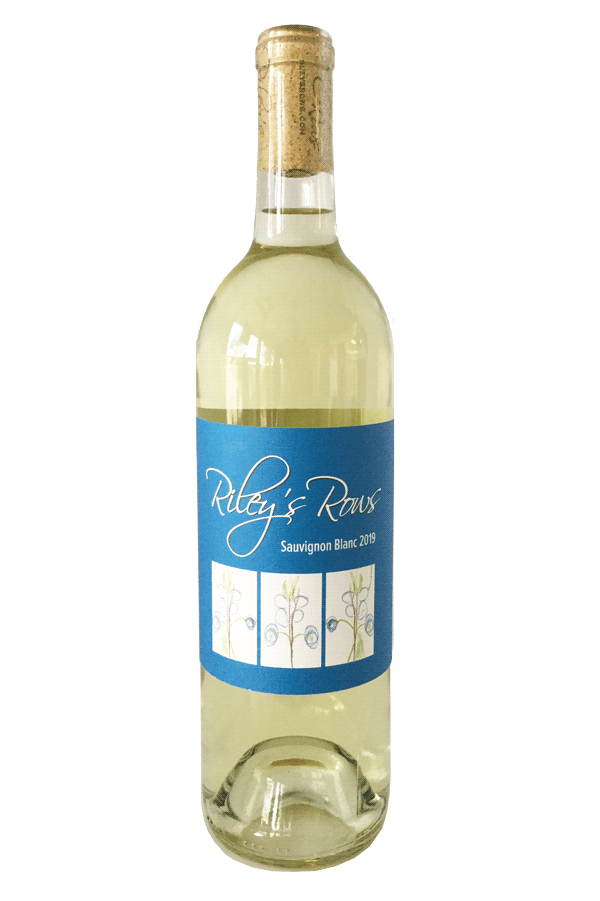
| Country: | United States |
| Region: | California |
| Winery: | Flanagan Winery |
| Grape Type: | Sauvignon Blanc |
| Organic: | Yes |
| Vintage: | 2019 |
| Bottle Size: | 750 ml |
Rileys Rows Rose of Syrah is made from 100 percent Syrah.
When I think about my rosé one word comes to mind: intentional. Made from 100% syrah and pressed off skins in the Provencal style this wine is not just an afterthought. Typically picked in mid-October from a cool climate site the fruit comes in with both chemical and flavor ripeness. The result is a low alcohol, fresh wine with a complete flavor profile
Riley's Rows 3x3 Red Blend is made from 36% Cabernet Sauvignon, 35% Syrah, 29% Merlot
Riley’s Rows "Three by Three" Proprietary Red Blend North Coast is a great wine from some of the winery's favorite North Coast vineyard sites. The Merlot is from their Brandt ranch in Lake County…which, is one of the best vineyards in Lake County. The Cabernet and Syrah are both from great Sonoma County sites.
Riley’s Rows 3 x 3 displays a nose of ripe plum and Bing cherries with a hint of cocoa. The palate opens with ripe red berries. The mid-palate offers a delicious melange of blackberry, Rainer Cherry, and nutmeg. The wine has a long finish, very balanced acidity, and soft tannins. The wine is approachable now but will age nicely for many years to come!
Very clean and fresh. Notes of honeysuckle and peach blossom in the nose. White nectarine and charentais melon on the palate. Fresh, clean, and nice salinity on the finish.
Pairs with melon and proscutto, mild cheeses, fresh shellfish.
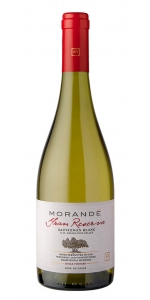
Morande Gran Reserva Sauvignon Blanc is made from 100 percent Sauvignon Blanc
The grapes for this wine come from Morande's estate located in Casablanca, a few miles from the Pacific Ocean. This valley is well-known for its cool climate that allows to obtain small clusters and grapes that develop colors, aromas, and flavors that are characteristic of a slow ripening process. Of limited production, the vineyard is trellised to the vertical shoot position and grows on clayey, granitic soils of low fertility that give life to remarkable wines.
Bright straw-yellow color, delicate aromas with fresh herbs, honey and orange-blossom, combined with white fruit and citrus fruit. The palate shows complex flavors, with edgy, mineral freshness and outstanding citrusy notes of grapefruit, herbs and white peaches. It is persistent, elegant and with a structure that makes for good aging potential.
The grapes were picked by hand in 10-kilo boxes. A large percentage was whole-bunch pressed and the rest underwent a cold maceration for eight hours in the press. The must fermented mainly in French oak foudres, but a part also in cement eggs. The wine was kept in both its containers during six months before bottling.
Pair with white meat, fish and seafood, fresh cheese.
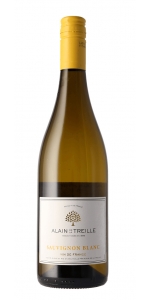
Alain de la Treille Sauvignon Blanc is made from 100 percent Sauvignon Blanc.
This Sauvignon Blanc has a slight amber color with a fresh aromatic nose. Grassy and mineral flavored with a refreshingly crisp mouthfeel. Vines are located outside the Loire Valley AOC boundaries, hence the Vin de France classification.
Best friend as an aperitif, with all your fish meals and seafood, but as well with charcuteries, Don't hesitate to try it with goat cheese.
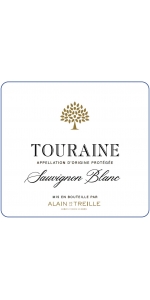
Our Touraine Sauvignon blanc is crisp and refreshing, with rich, ripe lime and grapefruit aromas. Great elegance with mineral style and despite everything some kind of roundness.
Average age of the vines is 20 years old.
We produce a part of this cuvee with 12 hours skin maceration and another part from directly pressed grapes
Wine was slightly filtered before bottling to ensure wine will remain stable.
Ideal for the Aperitif , any cooked fish such as smoked and grilled salmon but also obviously with a Goat Cheese.
Rileys Rows Sauvignon Blanc is made from 100 percent Sauvignon Blanc.
Sourced from the Redwood Valley Grape Ranch Dad farms in Mendocino my sauvignon blanc is consistently a light and approachable wine with great acidity. I get notes of ruby red grapefruit and meyer lemon.
Flanagan Winery:
Eric Flanagan is the founder and visionary behind the Flanagan wines and Flanagan brand.
Our journey into wine began with a love of wine and an appreciation of the places that create unique wines. In the early 1990’s, wine quality exploded higher in Sonoma and Napa. It was an exciting time to be a consumer of wines from Northern California and a great time to come and meet the vintners who were responsible for these inspiring new wines. We began in 1999 with the purchase of forty acres in Bennett Valley. In 2011, we acquired a small Russian River Valley vineyard, and, starting with the 2014 vintage, we have added vineyard designated wines from top vineyards in the Russian River Valley and the Sonoma Coast. Vineyard sources now include Ritchie Vineyard and Bacigalupi Vineyard for Chardonnay, and Sunchase and Sonoma Stage for Pinot Noir. In 2015, we will also add the iconic Platt Vineyard as a source for both Chardonnay and Pinot Noir. We believe that Platt may be the best vineyard in California for those varieties.
Sustainability at Flanagan:
There are a few marketing buzzwords that are prevelant in the wine industry right now that can be very confusing to the consumer. Terms like organic, biodynamic, sustainable... What exactly do those terms mean? To us, it's very simple. Sustainabliltiy means we farm our vineyards with long term mindset. We do everything we can to ensure that this land will be as healthy, or healthier than it was when we found it. We are in the process of having our vineyards certified as sustainable by the California Sustainable Winegrowers Alliance "CSWA".
Sonoma County is making a huge push to be the first farm community to be 100% certified sustainable. The CSWA program has 138 catagories for vineyard owners to self assess and then they support the process with an outside auditor. Sonoma County has hired a full time sustainablility coordinator and is making great progress towards our goal of have all of the vineyards in Sonoma County farmed sustainably.
Proprietor Eric Flanagan:
Eric came to the wine business from a love of wine. His family did not own a winery or a vineyard, and Eric did not grow up on a farm. Through his travels Eric became fascinated by how grapes of the same variety expressed themselves in different places. From New Zealand to Greece, Eric visited wine growing regions around the world, but in the late 90's he chose to create his vision in Sonoma. He started in 1999 with the purchase of 40 acres on the side of Bennett Mountain and expanded in 2011 with the purchase of their Russian River Valley site. Flanagan is now producing wines from several of the top vineyards in Sonoma County under their vineyard designate program. Flanagan is becoming known for making great wines from the best vineyards in Sonoma County.
Eric, Kit, and their 3 daughters (Riley, Lola, and Ruby) make their home at the Three Starrs Vineyard along with 3 dogs, 10 ducks, 4 Dwarf Nigerian goats, 2 geese, 1 donkey, and 1 mule (also named Ruby).
Winemaker Cabell Coursey:
Cabell joined Flanagan Vineyards as Winemaker in 2014. His obsession with winemaking began with a harvest in Burgundy while he was enjoying an undergraduate semester abroad. After finishing his B.S., Cabell spent a few vintages picking grapes and scrubbing floors in Burgundy, and then moved up to Oregon’s Willamette Valley. Following his time in Oregon, Cabell traveled to Christchurch, New Zealand, where earned degrees in Enology and Viticulture from Lincoln University. During his time in New Zealand Cabell focused on cool climate viticulture, which serves him very well in his current role at Flanagan. Cabell has also held winemaking positions at Alder Springs Vineyard, Dumol, and Kosta Browne.
Cabell’s approach to winemaking is to use his senses in conjunction with his knowledge in biology, chemistry, and farming.
Cabell describes his philosophy:
“Winemaking is the culmination of a vast number of decisions. Starting with the site, the farming practice, the response to weather conditions, the picking date, the tank and barrel programs, ferment protocols, and continuing through blending and bottling. It is the daily decisions, actions, and sometimes lack of action that unlocks a vineyard’s highest potential. This quest to reveal each vineyards unique personality, while dealing with the challenges inherent in farming, is what makes winemaking challenging, interesting, and highly rewarding. My goal is always the same, to deliver each vineyard’s best expression in each vintage and to make a wine where the last glass is better than the first.”
The vineyards represents 69 acres in total:
Graves vineyards is 13 acres, planted with Syrah (6 acres), Cabernet Sauvignon (4 acres) and Merlot (3 acres).
Platt vineyards is 34 acres, planted with Chardonnay (13 acres) and Pinot Noir (18 acres) and Riesling (1.4 acres)
and Gaps View is 22 acres, all planted with Pinot Noir.
Wine Gift Set Includes:
Review:
"The brioche and cooked-apple and cream character really comes through here. Full-bodied and round with fine bubbles. Flavorful and intense. Vivid, bread-dough finish. This is four years on lees. 55% Chardonnay and the rest Pinot."
- James Suckling 93 Points
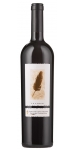
Long Shadows Feather Cabernet Sauvignon is made from 100 percent Washington State Cabernet.
Acclaimed Napa Valley vintner Randy Dunn has a reputation for producing world-class Cabernet Sauvignon. He brings more than four decades of winemaking experience to the Columbia Valley to produce Feather, his only wine made outside of California.
Tasting Notes: Deep crimson colored with pure and expressive Cabernet Sauvignon character. Generous aromas and flavors of dark fruits, violets, coffee and toasted herbs combine with a textured mid-palate to deliver a big, yet focused, wine with polished tannins and persistent finish.
Winemaking: Grapes were hand-harvested at the peak of ripeness, then lightly crushed and fermented in small stainless steel tanks. Once fermentation was underway, the cap was pumped over aggressively to extract color and structure. As fermentation neared completion, pump overs were handled more gently to further extract color and flavors without imparting harsh tannins. The finished wine was aged 22 months in 90% new Vicard French oak barrels (Randy's cooper of choice at Dunn Vineyards as well).
-Review:
A stunning wine from 2022, the Long Shadows ‘Feather’ comes from Sonnet Vineyard as well as Bacchus and Dionysus Vineyards. This cool vintage beauty really needs several hours in the decanter to be fully evolved right now. On the nose this takes on bay leaf and red bell pepper alongside cassis and shades of black licorice. The palate is lush and dense with a terrific mouthfeel and smooth texture. Considering the coolness of the vintage, this has a beautiful combination of finesse, viscosity and flavor density. Drink 2025-2040-
Owen Bargreen 95 Points



