
" We don't sell the wine without touching the vine "
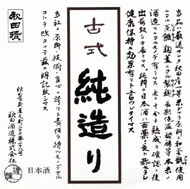
| Country: | Japan |
| Region: | Akita |
| Winery: | Akitabare Brewing Company |
| Grape Type: | Ginjo-shu (Sake) |
| Vintage: | NV |
| Bottle Size: | 720 ml |
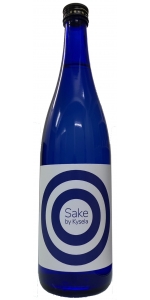
Sake By Kysela has been a project in the making for three years now. In the end, we selected a Sake made from the famous Yamada Nishiki rice produced in the Southern Prefecture of Shimane. Flavorful, rich, and clean; this sake is best as an aperitif or with seafood like fluke, dover sole or halibut. Kanpai!!!
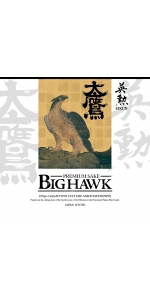
Rice milling: 60%
Rice varietal: Iwai (Only available in Kyoto)
Alcohol: 15%
Sake meter value: +3.0
Acidity: 1.3
Tasting Notes: --------
Eikun sake uses water from a source called "Fusui", rated as one of the top 100 sources of water in Japan. This water source is located just south of the ancient Japanese, and still cultural capital of Japan, Kyoto.
Review:
"Clear with a platinum blue cast. Aromas of coconut milk, melon, pear and rice pudding with a with a supple, dry-yet-fruity medium body and a vanilla, apple, and pepper accented finish. A robust and lively sake that will sing with spicy Asian cuisine."
- Beverage Testing Institute (July 2nd 2014), 91 pts
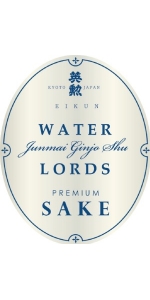
Sake Eikun Junmai Ginjo Water Lords is made with Iwai rice.
Eikun sake uses water from a source called "Fusui", rated as one of the top 100 sources of water in Japan. This water source is located just south of the ancient Japanese, and still cultural capital of Japan, Kyoto.
Aromas of macadamia oatmeal cookie, spicy zucchini bread, and vanilla cream with a satiny fruity-yet-dry medium-to-full body and a layered, banana custard, jicama, salted whole nut, apple, and radish nuanced finish. A Wonderfully vibrant and flavorful sake.-Beverage Tasting Institute 94 points (Exceptional)
RATING: 94 points (Exceptional)
CATEGORY: Junmai Ginjo Sake, Sake
ALCOHOL BY VOLUME: 15.3%
TASTING LOCATION: In Our Chicago Tasting Room
TASTING DATE: Dec-05-2012
WINE ID: 200768
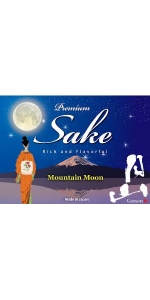
Woodsy honeycomb, nutshell, and mushroom patch aromas with a satiny fruity-yet-dry medium-to-full body and a delicate savory mushroom stock, chestnut, and golden beet driven finish. A fine choice for tempura. 91 Points -Beverage Tasting Institute
RATING: 91 points (Exceptional)
CATEGORY: Junmai Ginjo Sake, Sake
ALCOHOL BY VOLUME: 15.4%
TASTING LOCATION: In Our Chicago Tasting Room
TASTING DATE: Dec-05-2012
WINE ID: 200767
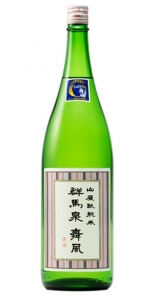
Savory nuances of toasted quinoa, banana bread, and nutmeg are present in the nose. On the palate, this sake is layered, lifted and complex, with flavors of plantain, dried cranberry, nougat, white Mushroom and almond.
POLISHING RATIO: 60%
ALCOHOL: 15-16%
SMV +/-: +3.0
RICE KAKE: 50% WAKAMIZU 50% LOCALLY FARMED JAPANESE RICE
YEAST STRAIN: PROPRIETARY
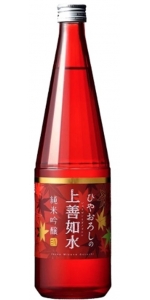
Hiyaoroshi is a general term referring to sake that has been pasteurized once in the winter and then allowed to mature over the summer before distribution in autumn. The Japan Sake Brewers Association designates September 9th as the official start for Hiyaoroshi sales. (Essentially aged Namazume)
September 9th is known as Kiku-no-Sekku (“Chrysanthemum Festival”), where hundreds of chrysanthemums are displayed around various venues and chrysanthemum sake is served. The chrysanthemum (kiku) was brought to Japan from China during the Nara period. In 1183, it was adopted as the Imperial Seal of Japan, and during the Meiji period no one but the Emperor could use it. Nowadays it still represents the authority of the emperor and you can see it everywhere in Japan.
Aromas are forward, fresh, and fruity in the nose with notes of sweet melon, cherries, and hints of vanilla. Flavors on the palate evoke feelings of the season with pumpkin pie, roasted nuts, and stewed plums. This sake is medium-bodied and accented by medium acidity, showing classic Jozen minerality and a lingering dry finish. Additional 7 months of aging adds depth and roundness.
{Pairs with roasted poultry, baked ham, butternut squash ravioli, BBQ, and dishes with sweet spice.
Aged Gouda, triple cream, fresh chevre .
Sake Akitabare Koshiki Junzukuri Northern Skies is a pleasingly dry, well-crafted sake much appreciated by connoisseurs. It has just enough body to support the spare lines of its structure, making it the kind of sake one can drink enjoyably for hours at a stretch. Its subdued, understated refinement evokes a sense of the northern province where it is meticulously brewed. Goes best with seafood and vegetable dishes simply prepared, including tempura. May be served either cold or warmed.
Awards: Gold Medal, Junmai class, 2003 U.S. National Sake Appraisal.
Rice Variety: Gin no Sei
Polishing Ratio: 60%
Alcohol Percentage: 14.5%
Sake Meter Value: +2.0
Acidity: 1.8
Yeast Type: Association No. 9
The Akitabare Brewery
"Koshiki Junzukuri" (The Old Way) read the characters on Akitabare Sake Brewing Company's junmai label, and a glimpse inside the brewery shows why. Many of the tools from a hundred years ago–the huge wooden basin for soaking the rice, the giant kama for steaming it–are still in use
today.
Considerable technical innovation has occurred in the sake world over the last hundred years and many of the new tools and techniques have elevated the level of sake quality. But when change is just for the sake of modernization, or to increase productivity, or to maximize earnings, there is always a trade-off in quality. And this is a trade-off that Akitabare has never been willing to make.
What this commitment means in practice is delicacy, precision and care at every step of the brewing process. Akitabare sakes possess perfect balance, a mild aroma and a subtlely expressed but very distinct taste profile. They tend to appeal to experienced connoisseurs not overly impressed with flowery aromas and ornate flavors and for whom balance, clarity and finesse are the mark of a superior label.
"People's taste may change over time, and our sakes will change as well, but they will always have a satisfying taste and a distinct personality," says Kazuo Kawaguchi, the brewery's president. "If we had a motto, it would be 'fierce adherence to tradition, skillful adaptation to change.' If we were a flower, we would be a peony."
Arzuaga Gran Reserva 95% Tempranillo, 4% Cabernet Sauvignon and 1% Merlot.
Presenting a ruby red color, this wine has a wide range of aroma of ripe fruit compote, toast, and leather. Fine, complex, and attractive with a great balance. Silky and pleasant in the mouth with a bit of spice detected in the finish.
Serve with red meats, roasts, or game dishes. Its flavor is enhanced with cured or fatty cheeses.
Review:
Big, bold, and age-worthy, the 2019 Gran Reserva is the biggest production yet from the producer of this wine at 9,423 bottles. Salty and spicy, it’s voluminous, richly layered in concentrated, full-bodied swaths of sweet red berry, toasted oak, balsamic, and tobacco. After 40 months in French oak, the tannins are sweet and melty.
-Jeb Dunnuck 98 Points
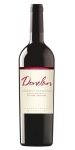
The nose of our the Cabernet Sauvignon shows remarkable purity, opening with juicy fruit-punch and layered notes of blue and red fruit dried with sweet herbs. The palate builds with blackberry pie filling, baker’s chocolate, and freshly ground coffee, underscored by an earthiness of loam and underbrush. Acidity is finely tuned, carrying structure through the middle and sides of the wine. For those who can wait, cellar this bottle for several years. For those who cannot, double decant 4–5 hours before serving and let the wine come fully alive.
Blackberry pie filling, baker’s chocolate, freshly ground coffee, earthy loam and underbrush, red and blue fruit dried with sweet herbs
Review:
"How do you do Cabernet the Donelan way—and do it in Sonoma? The answer began with archetyping older styles of Cabernet. The vineyard lies near Skipstone, encompassing sites such as T-T Vineyard, Obsidian, and Constant on Diamond Mountain. For Joe Donelan, the goal was to craft a Cabernet reminiscent of what Mondavi was producing in the 1970s and early 1980s—wines defined by freshness, clarity, and balance rather than sheer weight. The result is vivid, bright, and pure-fruited, with an immediate freshness factor. Red berry fruit, cherry, and cassis lead the way, framed by a medium-bodied structure with velvety-textured tannins and a creamy mid-palate that makes the wine deeply engaging and remarkably easy to drink. Sagebrush and black olive notes lend savoury complexity, joined by subtle hints of tobacco, all carrying through to a long, mineral-driven, fruit-focused finish. - Jonathan CRISTALDI"
Decanter (January 5th 2026), 97 points



