
" We don't sell the wine without touching the vine "
| BUY MORE! SAVE MORE! | ||||||||||||||||||||
|
| Country: | Japan |
| Region: | Kyoto |
| Winery: | Water Lords (Eikun) |
| Grape Type: | Gohyakumankoku (Sake) |
| Vintage: | NV |
| Bottle Size: | 720 ml |
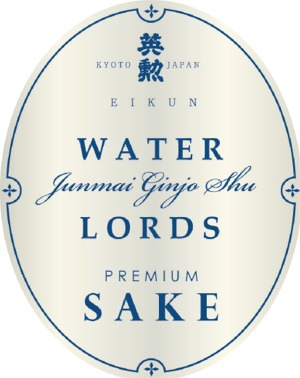
Sake Eikun Junmai Ginjo Water Lords is made with Iwai rice.
Eikun sake uses water from a source called "Fusui", rated as one of the top 100 sources of water in Japan. This water source is located just south of the ancient Japanese, and still cultural capital of Japan, Kyoto.
Aromas of macadamia oatmeal cookie, spicy zucchini bread, and vanilla cream with a satiny fruity-yet-dry medium-to-full body and a layered, banana custard, jicama, salted whole nut, apple, and radish nuanced finish. A Wonderfully vibrant and flavorful sake.-Beverage Tasting Institute 94 points (Exceptional)
RATING: 94 points (Exceptional)
CATEGORY: Junmai Ginjo Sake, Sake
ALCOHOL BY VOLUME: 15.3%
TASTING LOCATION: In Our Chicago Tasting Room
TASTING DATE: Dec-05-2012
WINE ID: 200768
The Water Lords (Eikun) Brewery
Eikun, also known as Saito Shuzo Co. LTD., founded in 1895, is located in the Fushimi region of Kyoto Japan

In 1905 during the Taisho period in Japanese history, the "EIKUN" sake was adopted as the company's corporate brand name. Since then, the finest quality sake has been produced by Saito Sake Brewer known as "EIKUN" which is acknowledge today as the finest Sake produced in the Fushimi district of Japan famously known to sake lover for its premium brewed sake.
Over the years, the company has become a leader in the sake industry and the pioneer for the development of quality premium sake in Japan.
ushimi region is home to 30+ other breweries due to the quality of its water source. This soft water plays an instrumental part in creating smooth and balanced sake. With its moderate climate and beautiful natural surrounding in Kyoto greatly contributes to the delicate and quality taste of Saito Sake and captures the essence of premium sake quality at its best.
The major sake production areas in Japan are:
Sake Rice and Water
Unique to the region of Kyoto is Iwai rice which is only used by Kyoto sake producers. In fact, Eikun purchases 40% of all Iwai rice produced.
Eikun sake uses water from a source called "Fusui", rated as one of the top 100 sources of water in Japan. This water source is located just south of the ancient Japanese, and still cultural capital of Japan, Kyoto.
Food and Sake in Kyoto
Kyoto is home to many Shinto shrines and a particular type of cuisine called Kaiseki. Kaiseki is a sequence of small and artistically arranged dishes, both beautiful in presentation and flavor.
"Kaiseki" in Kyoto cuisine is all about "Dashi (broth)" and it’s "Umami". So the taste of food is elegant, and they don't usually put a lot of soy sauce or salt in Kyoto cuisine.
Therefore, the sake flavor is kind of gentle and soft to match with local Kyoto cuisine.
This western area of Japan around Kyoto blends sake and culture into a perfect marriage.
Eikun Sake isn’t just known at the consumers market level, but it is also very well received at traditional high end Japanese restaurants though out Japan where people come to enjoy the traditional taste of Japanese cuisine and to enjoy the unique experience of Eikun Sake.
Best of the Best Sake
Each year since the 1890’s there is a competition "Shinshu Kanpyou-Kai" (National New Sake Competition) now called National Competition, which judges sake quality. Eikun has received the gold medal for their sake an unprecedented 14 years in a row.
Only 20-25% of all Kura receive gold medals each year.
In addition, no Kura or brewery has received the award 14 times consecutively. The National Competition is attended by 90% of all 1300 Kura in Japan and is for Daiginjo grade products only.
About Kyoto
The City of Kyoto was founded as "Heiankyo" in 794 A.D. It flourished as the capital of Japan for approximately 1,000 years and was the birth site of the quintessential Japanese culture and traditions one finds throughout the country today.
Even after the transfer of the capital to Tokyo during the Meiji Restoration in 1868, Kyoto maintained its position as Japan's cultural capital. It is home of various national treasures worthy of global pride as well as many historical buildings and traditional arts and crafts. Kyoto's rich and colorful history, combined with its geographic and climatic factors have created a city with a very unique blend of tradition, culture, and industry. Kyoto was laid out in a grid pattern with the Imperial Palace located at its center.

Woodsy honeycomb, nutshell, and mushroom patch aromas with a satiny fruity-yet-dry medium-to-full body and a delicate savory mushroom stock, chestnut, and golden beet driven finish. A fine choice for tempura. 91 Points -Beverage Tasting Institute
RATING: 91 points (Exceptional)
CATEGORY: Junmai Ginjo Sake, Sake
ALCOHOL BY VOLUME: 15.4%
TASTING LOCATION: In Our Chicago Tasting Room
TASTING DATE: Dec-05-2012
WINE ID: 200767

Leindl Gruner Veltliner Langenlois is made from 100 percent Gruner Veltliner.
This classic Gruner Veltliner comes from the famous wine-growing region of Langenlois. A very typical fruity and fresh Gruner Veltliner offering green apples, juicy, minerality, a pleasant body and a good length. It is ideal with a wide range of dishes.
Cold Fermentation.
Aged on the lees for 6 months in Stainless Steel tank. No Oak. No ML.
Produced from vines of 5-20 years old on slate soils.

Woodsy honeycomb, nutshell, and mushroom patch aromas with a satiny fruity-yet-dry medium-to-full body and a delicate savory mushroom stock, chestnut, and golden beet driven finish. A fine choice for tempura. 91 Points -Beverage Tasting Institute
RATING: 91 points (Exceptional)
CATEGORY: Junmai Ginjo Sake, Sake
ALCOHOL BY VOLUME: 15.4%
TASTING LOCATION: In Our Chicago Tasting Room
TASTING DATE: Dec-05-2012
WINE ID: 200767

Juicy & Refreshing. Full of fruity flavors with clean sweetness. Brewed with Hitogokochi, the special sake rice harvested in Nagano, and natural water slowly filtered down the Japan Alps. In 1866, toward the end of the Edo period, Matsujirou Kurogouchi and his family started a small sake brewery currently called Senjo named after Senjo Ga Take, a 3000-meter peak in the Japanese Alps. Today Senjo Brewery strives to combine art with science and old skill with new technology by adding modern twits to the rich historical traditions of Sake brewing.
Pair with Deep-fried fish with sweet & sour sauce, Young sweetfish tempura (chiayu tempura), Caesar salad.

TASTING NOTES: This fresh, subtle Honjozo has a lovely nose of cantaloupe, leek, fresh clay and pear. With just a hint of sweetness, the palate is light bodied with alluring flavors of burnt caramel, chalk and marsh-mallow and a classic Honjozo clean, dry finish.
The fanciful name "Otoko no Yujyo", represents a feeling for which the sake was made, to honor brotherly love, between comrades.
PREFECTURE: TOCHIGI
POLISHING RATIO: 65%
ALCOHOL: 15.0 - 16.0%
SMV +/-: +8.0
ACIDITY: 1.4
RICE KOJI: HITOGOKOCHI
RICE KAKE: TOCHIGI 14
YEAST STRAIN: KYOKAI 901
FOOD PAIRINGS: Versatile with all foods, Grilled Fish, Paella, Smoked Fish, Fried Fish or Fried Chicken
CHEESE PAIRINGS: Foggy Morning, Prima Donna, Domaine de Village

TASTING NOTES:
This is a classic, delicious Honjozo with crimini mushroom, almonds and lilac aromas. The first sip of this sake is full of stone fruit and minerals complimented by notes of caramel, cocoa and almond and finishes with plenty of umami.
POLISHING RATIO: 60%
ALCOHOL: 16-17%
SMV +/-: +3.0
ACIDITY: 1.6
RICE KOJI: JAPANESE RICE 100%
RICE KAKE: JAPANESE RICE 100%
YEAST STRAIN: KYOKAI
FOOD PAIRINGS: Chinese Food, One Pot dishes like Beef Stew.
CHEESE PAIRINGS: Foggy Morning, Prima Donna, Domaine de Village

Sake Eikun Junmai Ginjo Water Lords 12/720ml is made with Iwai rice.
Eikun sake uses water from a source called "Fusui", rated as one of the top 100 sources of water in Japan. This water source is located just south of the ancient Japanese, and still cultural capital of Japan, Kyoto.
Aromas of macadamia oatmeal cookie, spicy zucchini bread, and vanilla cream with a satiny fruity-yet-dry medium-to-full body and a layered, banana custard, jicama, salted whole nut, apple, and radish nuanced finish. A Wonderfully vibrant and flavorful sake.-Beverage Tasting Institute 94 points (Exceptional)
RATING: 94 points (Exceptional)
CATEGORY: Junmai Ginjo Sake, Sake
ALCOHOL BY VOLUME: 15.3%
TASTING LOCATION: In Our Chicago Tasting Room
TASTING DATE: Dec-05-2012
WINE ID: 200768
Made with Iwai rice.
Eikun sake uses water from a source called "Fusui", rated as one of the top 100 sources of water in Japan. This water source is located just south of the ancient Japanese, and still cultural capital of Japan, Kyoto.
Rice milling: 60%
Woodsy honeycomb, nutshell, and mushroom patch aromas with a satiny fruity-yet-dry medium-to-full body and a delicate savory mushroom stock, chestnut, and golden beet driven finish. A fine choice for tempura. 91 Points -Beverage Tasting Institute
RATING: 91 points (Exceptional)
CATEGORY: Junmai Ginjo Sake, Sake
ALCOHOL BY VOLUME: 15.4%
TASTING LOCATION: In Our Chicago Tasting Room
TASTING DATE: Dec-05-2012
WINE ID: 200767

This Junmai Daiginjo has a beautiful nose full of banana, melon and star anise. The all natural brewing process gives this sake a bright fresh palate of plum, lime and minerality with a clean dry finish. A very food friendly sake, and is thought to be best after the meal with a light, smooth, rich cow's milk cheese.
POLISHING RATIO: 40%
ALCOHOL: 16-17%
SMV +/-: +1.0
ACIDITY: 1.2
RICE KOJI: HATTANISHIKI
RICE KAKE: HATTANISHIKI
YEAST STRAIN: PROPRIETARY YEAST
FOOD PAIRINGS: Poached Lobster, Seared Scallops, Tofu, Steamed Dumplings
CHEESE PAIRINGS: Brillat Savarin, Cambozola, Dulce Latte Gorgonzola, Mimolette
Woodsy honeycomb, nutshell, and mushroom patch aromas with a satiny fruity-yet-dry medium-to-full body and a delicate savory mushroom stock, chestnut, and golden beet driven finish. A fine choice for tempura. 91 Points -Beverage Tasting Institute
RATING: 91 points (Exceptional)
CATEGORY: Junmai Ginjo Sake, Sake
ALCOHOL BY VOLUME: 15.4%
TASTING LOCATION: In Our Chicago Tasting Room
TASTING DATE: Dec-05-2012
WINE ID: 200767

This unpasteurized sake is exciting and lively with a nose full of citrus, apple blossom and shizo. The palate is equally as bold featuring fresh persimmons, marshmallow and slightly underipe stone fruit. The finish is clean showing soft minerality.
POLISHING RATIO: 60%
ALCOHOL: 15.5
SMV +/-: +5.0
ACIDITY: 1.6
RICE KOJI: GOHYAKUMANGOKU
RICE KAKE: KOSHI IBUKI
YEAST STRAIN: K1801
FOOD PAIRINGS: Sushi Nigiri with fatty fish, oysters, omelettes, Lighter Italian, Chinese or French dishes
CHEESE PAIRINGS: Mildly ripe Coulommiers or Brie, Italian Raschera
Juicy & Refreshing. Full of fruity flavors with clean sweetness. Brewed with Hitogokochi, the special sake rice harvested in Nagano, and natural water slowly filtered down the Japan Alps. In 1866, toward the end of the Edo period, Matsujirou Kurogouchi and his family started a small sake brewery currently called Senjo named after Senjo Ga Take, a 3000-meter peak in the Japanese Alps. Today Senjo Brewery strives to combine art with science and old skill with new technology by adding modern twits to the rich historical traditions of Sake brewing.
Pair with Deep-fried fish with sweet & sour sauce, Young sweetfish tempura (chiayu tempura), Caesar salad.

Buccella Cuvee Katrina Eileen Napa Valley is made from 100% Cabernet Sauvignon.
Named after our first-born daughter, Cuvée Katrina Eileen is primarily composed of fruit from a vineyard in the Western Hills of Yountville, where yields are miniscule. The extremely rocky soil of the vineyard produces concentrated clusters of perfectly ripened Cabernet Sauvignon. In German, the name “Katrina” represents purity and fittingly, this wine is made entirely from the Cabernet Sauvignon grape, providing a pure expression of this decadent varietal. It also reflects our daughter’s personality with flavors that are complex, unreserved and expressive.
Always a 100% Cabernet blend, our 2017 Cuvée Katrina Eileen is an opulent and mouth-enriching wine. Captivated by the inky-black color, luscious scents of dark espresso and cinnamon stick leap out, along with powerful elements of graphite and cassis. Remarkably rich and seamless, while boasting flavors of blueberry compote, dark chocolate and black raspberries, this is a compelling and luxurious wine focused upon velvety texture, silky tannins and incredible length. An intentional breadth on the palate and length in the finish are hallmarks of this wine.

Clos Du Val Yettalil is a Bordeaux blend of 70% Cabernet Sauvignon, 8% Cabernet Franc, 8% Petit Verdot, 6% Malbec, 5% Carménère, 3% Merlot
A tribute to Clos du Val's founding matriarch, Henrietta Goelet, Yettalil is the fullest expression of their Stags Leap District Estate. A blend of primarily Cabernet Sauvignon, the wine is supported by Cabernet Franc, Merlot, Malbec, Carménère, and Petit Verdot.
Yettalil draws you into the glass with captivating aromas of blackberry, plum, cherry compote, fresh sage, and spice. Expressive yet composed, the layers foretell a wine of character and complexity. As you taste, the wine sweeps across the palate with polished tannins and flavors of pure blackcurrant. The 2022 vintage's vibrant acidity carries the wine towards along, smooth finish.
Review:
Fragrant and expressive with aromas of red and black currants, lavender and fresh spearmint. Medium- to full-bodied with supple texture and fine, integrated tannins. There’s a cool-fruit elegance, layered with floral spices and a touch of cedar. Balanced and refined with quiet persistence. Very good. Drink now or from 2028.
- James Suckling 97 Points



