
" We don't sell the wine without touching the vine "
| Country: | Japan |
| Region: | Kyoto |
| Winery: | Water Lords (Eikun) |
| Grape Type: | Gohyakumankoku (Sake) |
| Vintage: | NV |
| Bottle Size: | 300 ml |
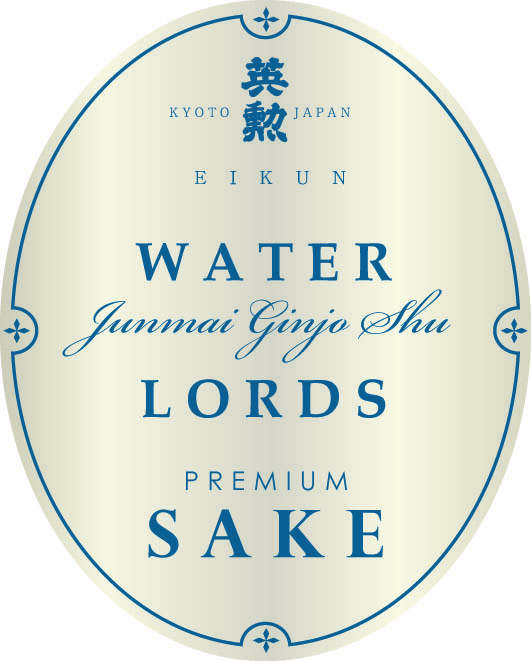
Sake Eikun Junmai Ginjo Water Lords 12/720ml is made with Iwai rice.
Eikun sake uses water from a source called "Fusui", rated as one of the top 100 sources of water in Japan. This water source is located just south of the ancient Japanese, and still cultural capital of Japan, Kyoto.
Aromas of macadamia oatmeal cookie, spicy zucchini bread, and vanilla cream with a satiny fruity-yet-dry medium-to-full body and a layered, banana custard, jicama, salted whole nut, apple, and radish nuanced finish. A Wonderfully vibrant and flavorful sake.-Beverage Tasting Institute 94 points (Exceptional)
RATING: 94 points (Exceptional)
CATEGORY: Junmai Ginjo Sake, Sake
ALCOHOL BY VOLUME: 15.3%
TASTING LOCATION: In Our Chicago Tasting Room
TASTING DATE: Dec-05-2012
WINE ID: 200768
Made with Iwai rice.
Eikun sake uses water from a source called "Fusui", rated as one of the top 100 sources of water in Japan. This water source is located just south of the ancient Japanese, and still cultural capital of Japan, Kyoto.
Rice milling: 60%
The Water Lords (Eikun) Brewery
Eikun, also known as Saito Shuzo Co. LTD., founded in 1895, is located in the Fushimi region of Kyoto Japan

In 1905 during the Taisho period in Japanese history, the "EIKUN" sake was adopted as the company's corporate brand name. Since then, the finest quality sake has been produced by Saito Sake Brewer known as "EIKUN" which is acknowledge today as the finest Sake produced in the Fushimi district of Japan famously known to sake lover for its premium brewed sake.
Over the years, the company has become a leader in the sake industry and the pioneer for the development of quality premium sake in Japan.
ushimi region is home to 30+ other breweries due to the quality of its water source. This soft water plays an instrumental part in creating smooth and balanced sake. With its moderate climate and beautiful natural surrounding in Kyoto greatly contributes to the delicate and quality taste of Saito Sake and captures the essence of premium sake quality at its best.
The major sake production areas in Japan are:
Sake Rice and Water
Unique to the region of Kyoto is Iwai rice which is only used by Kyoto sake producers. In fact, Eikun purchases 40% of all Iwai rice produced.
Eikun sake uses water from a source called "Fusui", rated as one of the top 100 sources of water in Japan. This water source is located just south of the ancient Japanese, and still cultural capital of Japan, Kyoto.
Food and Sake in Kyoto
Kyoto is home to many Shinto shrines and a particular type of cuisine called Kaiseki. Kaiseki is a sequence of small and artistically arranged dishes, both beautiful in presentation and flavor.
"Kaiseki" in Kyoto cuisine is all about "Dashi (broth)" and it’s "Umami". So the taste of food is elegant, and they don't usually put a lot of soy sauce or salt in Kyoto cuisine.
Therefore, the sake flavor is kind of gentle and soft to match with local Kyoto cuisine.
This western area of Japan around Kyoto blends sake and culture into a perfect marriage.
Eikun Sake isn’t just known at the consumers market level, but it is also very well received at traditional high end Japanese restaurants though out Japan where people come to enjoy the traditional taste of Japanese cuisine and to enjoy the unique experience of Eikun Sake.
Best of the Best Sake
Each year since the 1890’s there is a competition "Shinshu Kanpyou-Kai" (National New Sake Competition) now called National Competition, which judges sake quality. Eikun has received the gold medal for their sake an unprecedented 14 years in a row.
Only 20-25% of all Kura receive gold medals each year.
In addition, no Kura or brewery has received the award 14 times consecutively. The National Competition is attended by 90% of all 1300 Kura in Japan and is for Daiginjo grade products only.
About Kyoto
The City of Kyoto was founded as "Heiankyo" in 794 A.D. It flourished as the capital of Japan for approximately 1,000 years and was the birth site of the quintessential Japanese culture and traditions one finds throughout the country today.
Even after the transfer of the capital to Tokyo during the Meiji Restoration in 1868, Kyoto maintained its position as Japan's cultural capital. It is home of various national treasures worthy of global pride as well as many historical buildings and traditional arts and crafts. Kyoto's rich and colorful history, combined with its geographic and climatic factors have created a city with a very unique blend of tradition, culture, and industry. Kyoto was laid out in a grid pattern with the Imperial Palace located at its center.

Woodsy honeycomb, nutshell, and mushroom patch aromas with a satiny fruity-yet-dry medium-to-full body and a delicate savory mushroom stock, chestnut, and golden beet driven finish. A fine choice for tempura. 91 Points -Beverage Tasting Institute
RATING: 91 points (Exceptional)
CATEGORY: Junmai Ginjo Sake, Sake
ALCOHOL BY VOLUME: 15.4%
TASTING LOCATION: In Our Chicago Tasting Room
TASTING DATE: Dec-05-2012
WINE ID: 200767

This unpasteurized sake is exciting and lively with a nose full of citrus, apple blossom and shizo. The palate is equally as bold featuring fresh persimmons, marshmallow and slightly underipe stone fruit. The finish is clean showing soft minerality.
POLISHING RATIO: 60%
ALCOHOL: 15.5
SMV +/-: +5.0
ACIDITY: 1.6
RICE KOJI: GOHYAKUMANGOKU
RICE KAKE: KOSHI IBUKI
YEAST STRAIN: K1801
FOOD PAIRINGS: Sushi Nigiri with fatty fish, oysters, omelettes, Lighter Italian, Chinese or French dishes
CHEESE PAIRINGS: Mildly ripe Coulommiers or Brie, Italian Raschera

Dry and lean in the nose with hints of celery, pear puree and anise. On the palate this junmai is soft and creamy on the palate with rich, savory flavors of mocha, hazelnut, spicy vanilla, ending with crisp acidity.
POLISHING RATIO: 80%
ALCOHOL: 16-17%
SMV +/-: +2.0%
ACIDITY: 2.10%
RICE KOJI: Yamadanishiki
RICE KAKE: Yamadanishiki
YEAST STRAIN: Koshi Ibuki
FOOD PAIRINGS: Ideal with rustic Italian food, cheese and tomato centric or creamy pasta dishes
CHEESE PAIRINGS: Italian Raschera, Pecoria Reggiano

From the Tochigi Prefecture.
This sake has aromas of gardenia, ripe kiwi, papaya, green peppercorn, aged comte cheese and notes of nutmeg, mushroom, toasted oat and yeast. This sake is bright, dry and lively with medium plus acidity, and full bodied on the palate with a long finish.
Rice Koji: Hitogokochi
Rice Kake: Hitogokochi
Yeast Strain: KT-901
FOOD PAIRINGS: Smoked or oily fish, fried Calamari and Fish Tempura, Fried Chicken
CHEESE PAIRINGS: Foggy morning, slight ripe Brie, Raschera

Woodsy honeycomb, nutshell, and mushroom patch aromas with a satiny fruity-yet-dry medium-to-full body and a delicate savory mushroom stock, chestnut, and golden beet driven finish. A fine choice for tempura. 91 Points -Beverage Tasting Institute
RATING: 91 points (Exceptional)
CATEGORY: Junmai Ginjo Sake, Sake
ALCOHOL BY VOLUME: 15.4%
TASTING LOCATION: In Our Chicago Tasting Room
TASTING DATE: Dec-05-2012
WINE ID: 200767

Sake Eikun Junmai Ginjo Water Lords is made with Iwai rice.
Eikun sake uses water from a source called "Fusui", rated as one of the top 100 sources of water in Japan. This water source is located just south of the ancient Japanese, and still cultural capital of Japan, Kyoto.
Aromas of macadamia oatmeal cookie, spicy zucchini bread, and vanilla cream with a satiny fruity-yet-dry medium-to-full body and a layered, banana custard, jicama, salted whole nut, apple, and radish nuanced finish. A Wonderfully vibrant and flavorful sake.-Beverage Tasting Institute 94 points (Exceptional)
RATING: 94 points (Exceptional)
CATEGORY: Junmai Ginjo Sake, Sake
ALCOHOL BY VOLUME: 15.3%
TASTING LOCATION: In Our Chicago Tasting Room
TASTING DATE: Dec-05-2012
WINE ID: 200768
Woodsy honeycomb, nutshell, and mushroom patch aromas with a satiny fruity-yet-dry medium-to-full body and a delicate savory mushroom stock, chestnut, and golden beet driven finish. A fine choice for tempura. 91 Points -Beverage Tasting Institute
RATING: 91 points (Exceptional)
CATEGORY: Junmai Ginjo Sake, Sake
ALCOHOL BY VOLUME: 15.4%
TASTING LOCATION: In Our Chicago Tasting Room
TASTING DATE: Dec-05-2012
WINE ID: 200767

Juicy & Refreshing. Full of fruity flavors with clean sweetness. Brewed with Hitogokochi, the special sake rice harvested in Nagano, and natural water slowly filtered down the Japan Alps. In 1866, toward the end of the Edo period, Matsujirou Kurogouchi and his family started a small sake brewery currently called Senjo named after Senjo Ga Take, a 3000-meter peak in the Japanese Alps. Today Senjo Brewery strives to combine art with science and old skill with new technology by adding modern twits to the rich historical traditions of Sake brewing.
Pair with Deep-fried fish with sweet & sour sauce, Young sweetfish tempura (chiayu tempura), Caesar salad.

This Junmai Daiginjo has a beautiful nose full of banana, melon and star anise. The all natural brewing process gives this sake a bright fresh palate of plum, lime and minerality with a clean dry finish. A very food friendly sake, and is thought to be best after the meal with a light, smooth, rich cow's milk cheese.
POLISHING RATIO: 40%
ALCOHOL: 16-17%
SMV +/-: +1.0
ACIDITY: 1.2
RICE KOJI: HATTANISHIKI
RICE KAKE: HATTANISHIKI
YEAST STRAIN: PROPRIETARY YEAST
FOOD PAIRINGS: Poached Lobster, Seared Scallops, Tofu, Steamed Dumplings
CHEESE PAIRINGS: Brillat Savarin, Cambozola, Dulce Latte Gorgonzola, Mimolette
Woodsy honeycomb, nutshell, and mushroom patch aromas with a satiny fruity-yet-dry medium-to-full body and a delicate savory mushroom stock, chestnut, and golden beet driven finish. A fine choice for tempura. 91 Points -Beverage Tasting Institute
RATING: 91 points (Exceptional)
CATEGORY: Junmai Ginjo Sake, Sake
ALCOHOL BY VOLUME: 15.4%
TASTING LOCATION: In Our Chicago Tasting Room
TASTING DATE: Dec-05-2012
WINE ID: 200767
This unpasteurized sake is exciting and lively with a nose full of citrus, apple blossom and shizo. The palate is equally as bold featuring fresh persimmons, marshmallow and slightly underipe stone fruit. The finish is clean showing soft minerality.
POLISHING RATIO: 60%
ALCOHOL: 15.5
SMV +/-: +5.0
ACIDITY: 1.6
RICE KOJI: GOHYAKUMANGOKU
RICE KAKE: KOSHI IBUKI
YEAST STRAIN: K1801
FOOD PAIRINGS: Sushi Nigiri with fatty fish, oysters, omelettes, Lighter Italian, Chinese or French dishes
CHEESE PAIRINGS: Mildly ripe Coulommiers or Brie, Italian Raschera

Domaine Jean Grivot Nuits-Saint-Georges Premier Cru Aux Boudots is made from 100 percent Pinot Noir.
Domaine Jean Grivot is among the great names in Burgundian wine. Étienne Grivot and his wife Marielle took over from Étienne’s father Jean Grivot in 1987. The vineyards are densely planted and farmed organically “sans certification” while the aim in the cellar is for balance and clear expression of terroir.
Jean Grivot’s 38.3 acres spread across 22 appellations with vineyards in the communes of Vosne-Romanée, Vougeot, Chambolle-Musigny, and Nuits-Saint-Georges. Besides the three grand crus, there are 8 premier crus including the much lauded Les Beaux Monts and Suchots in Vosne-Romanée. The grapes are completely de-stemmed and fermentation is spontaneous.
Nuits-Saint-Georges Aux Boudots 1er cru lies in the “Zone Vosnoise” or northern end of Nuits-Saint-Georges just below Les Damodes. It borders Vosne-Romanée Aux Malconsorts 1er just to its north. Its position slightly lower on the slope with deep soil full of pebbles results in a richer and fuller wine.
The grapes are destemmed and maceration à froid usually lasts just a day or two. The alcoholic fermentation is spontaneous and malolactic fermentation occurs in barrel. Depending on the vintage, the proportion of new oak is around 30-60% for the premier crus.
The wine shows aromas and flavors of red berries, herbs, and purple flowers. The palate is rich with ripe fruit and medium weight with bright acidity and fine tannins. Aging in 30-60% new Burgundian pièce brings notes of vanilla, toast, and baking spices.
Red Burgundy might be the world’s most flexible food wine. The wine’s high acidity, medium body, medium alcohol, and low tannins make it very food-friendly. Red Burgundy, with its earthy and sometimes gamey character, is a classic partner to roasted game birds, grilled duck breast, and dishes that feature mushrooms, black truffles, or are rich in umami.
Reviews:
‘The 2020 Nuits Saint-Georges Aux Boudots Ter Cru has the best aromatics among Grivat Nuits Saint-Georges with very well defined red berry fruit, briary and lignt sous-bois aromas. The palate is medium-badied with fine-grain tannins, slightly savory on the entry, fresh and saline on the finish. This has real verve and class, though it will benefit from time in bottle
-Vinous 93-95 Points
A wine with the substance and structure to support the generous lashings of new oak used for maturation, and the overall effect is elegant and classic in style. Aux Boudots, where Grivot has 0.85ha, is at the northern edge of Nuits, just over the border from Vosne-Romanée Malconsorts. They began to pick on the 3rd of September – Etienne specified that they are very particular that the tannins are ripe and do what they can to prolong the vegetative cycle. Still, the grapes were picked with an entirely correct pH of around 3.4.
-Decanter 94 Points

Bachelet Bertrand Meursault Clos du Cromin is made from 100 percent Chardonnay.
Meursault, the world-renowned appellation, has produced mostly fine white wines for centuries. Meursault Clos du Cromin takes its name from the village 'Le Cromin', situated in the north-east of the appellation, close to the Volnay vineyard, in rich, clay soil.
The wine reveals a beautifully transparent and brilliant color, a subtle nose of citrus fruits, butter and honey, and a long finish.
Pairs with a noble fish, or white meat in sauce.



