
" We don't sell the wine without touching the vine "
| BUY MORE! SAVE MORE! | ||||||||||||||||||||
|
| Country: | Japan |
| Region: | Niigata |
| Winery: | Shirataki Shuzo |
| Grape Type: | Miyamanishiki (kojimai) (Sake) |
| Organic: | Yes |
| Vintage: | NV |
| Bottle Size: | 720 ml |
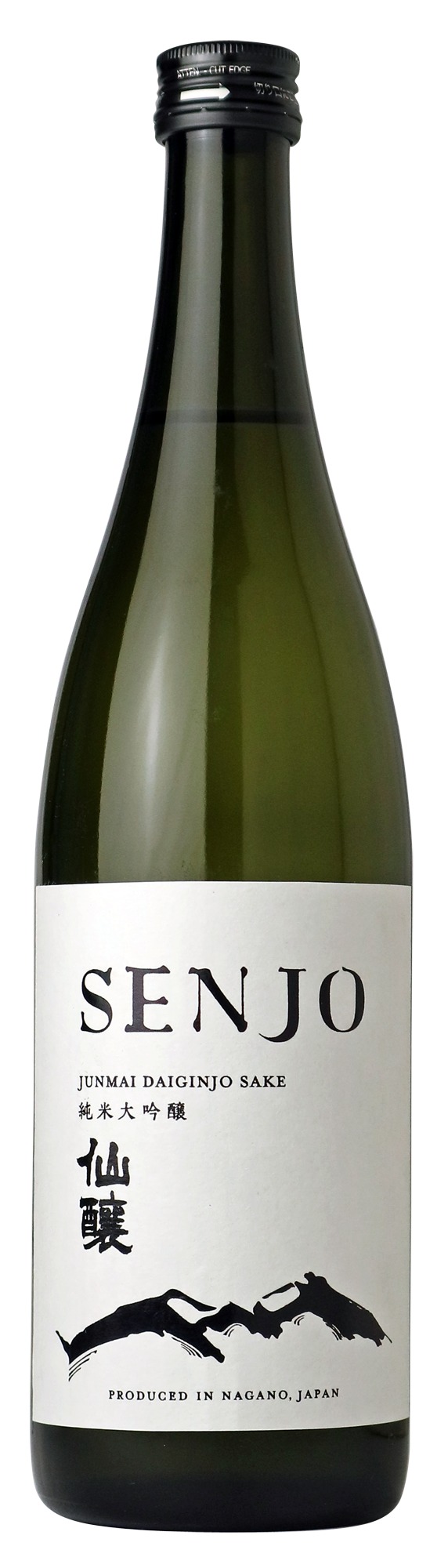
Juicy & Refreshing. Full of fruity flavors with clean sweetness. Brewed with Hitogokochi, the special sake rice harvested in Nagano, and natural water slowly filtered down the Japan Alps. In 1866, toward the end of the Edo period, Matsujirou Kurogouchi and his family started a small sake brewery currently called Senjo named after Senjo Ga Take, a 3000-meter peak in the Japanese Alps. Today Senjo Brewery strives to combine art with science and old skill with new technology by adding modern twits to the rich historical traditions of Sake brewing.
Pair with Deep-fried fish with sweet & sour sauce, Young sweetfish tempura (chiayu tempura), Caesar salad.
ABOUT SHIRATAKI SHUZO:
Shirataki is located in the heart of the Japanese Alps called "Snow Country" in the Niigata prefecture. Each spring the snowpack melts providing an abundance of clear natural spring water. This water runs through a coal seam providing a natural filtration process that accentuates the taste and quality of the water. This very soft water is the secret behind the very light, elegant, pretty style of sake made at Shirataki. The town of Echigo Yuzawa is home to "Koshihikari" a famous high quality rice brand in Japan.

Inviting aromas of mint, marshmallow and Asian pear pull you into this drink. Surprisingly dry, this Nigori (cloudy) style sake has a rich, chewy texture. The intriguing mid palate features mint, white chocolate, and tart cherries. The finish belies our expectations with an elegant, softness of minerals that settles in a dry finish.
Pair with roast duck, dry-rub ribs, full flavored country pate, and fruit and nut desserts of light sweetness.
Mildly ripe Coulommiers or Brie, Italian Raschera.

Savory nuances of toasted quinoa, banana bread, and nutmeg are present in the nose. On the palate, this sake is layered, lifted and complex, with flavors of plantain, dried cranberry, nougat, white Mushroom and almond.
POLISHING RATIO: 60%
ALCOHOL: 15-16%
SMV +/-: +3.0
RICE KAKE: 50% WAKAMIZU 50% LOCALLY FARMED JAPANESE RICE
YEAST STRAIN: PROPRIETARY

Juicy & Refreshing. Full of fruity flavors with clean sweetness. Brewed with Hitogokochi, the special sake rice harvested in Nagano, and natural water slowly filtered down the Japan Alps. In 1866, toward the end of the Edo period, Matsujirou Kurogouchi and his family started a small sake brewery currently called Senjo named after Senjo Ga Take, a 3000-meter peak in the Japanese Alps. Today Senjo Brewery strives to combine art with science and old skill with new technology by adding modern twits to the rich historical traditions of Sake brewing.
Pair with Deep-fried fish with sweet & sour sauce, Young sweetfish tempura (chiayu tempura), Caesar salad.
Juicy & Refreshing. Full of fruity flavors with clean sweetness. Brewed with Hitogokochi, the special sake rice harvested in Nagano, and natural water slowly filtered down the Japan Alps. In 1866, toward the end of the Edo period, Matsujirou Kurogouchi and his family started a small sake brewery currently called Senjo named after Senjo Ga Take, a 3000-meter peak in the Japanese Alps. Today Senjo Brewery strives to combine art with science and old skill with new technology by adding modern twits to the rich historical traditions of Sake brewing.
Pair with Deep-fried fish with sweet & sour sauce, Young sweetfish tempura (chiayu tempura), Caesar salad.

This Junmai Daiginjo has a beautiful nose full of banana, melon and star anise. The all natural brewing process gives this sake a bright fresh palate of plum, lime and minerality with a clean dry finish. A very food friendly sake, and is thought to be best after the meal with a light, smooth, rich cow's milk cheese.
POLISHING RATIO: 40%
ALCOHOL: 16-17%
SMV +/-: +1.0
ACIDITY: 1.2
RICE KOJI: HATTANISHIKI
RICE KAKE: HATTANISHIKI
YEAST STRAIN: PROPRIETARY YEAST
FOOD PAIRINGS: Poached Lobster, Seared Scallops, Tofu, Steamed Dumplings
CHEESE PAIRINGS: Brillat Savarin, Cambozola, Dulce Latte Gorgonzola, Mimolette

Sake Eikun Junmai Ginjo Water Lords is made with Iwai rice.
Eikun sake uses water from a source called "Fusui", rated as one of the top 100 sources of water in Japan. This water source is located just south of the ancient Japanese, and still cultural capital of Japan, Kyoto.
Aromas of macadamia oatmeal cookie, spicy zucchini bread, and vanilla cream with a satiny fruity-yet-dry medium-to-full body and a layered, banana custard, jicama, salted whole nut, apple, and radish nuanced finish. A Wonderfully vibrant and flavorful sake.-Beverage Tasting Institute 94 points (Exceptional)
RATING: 94 points (Exceptional)
CATEGORY: Junmai Ginjo Sake, Sake
ALCOHOL BY VOLUME: 15.3%
TASTING LOCATION: In Our Chicago Tasting Room
TASTING DATE: Dec-05-2012
WINE ID: 200768

Woodsy honeycomb, nutshell, and mushroom patch aromas with a satiny fruity-yet-dry medium-to-full body and a delicate savory mushroom stock, chestnut, and golden beet driven finish. A fine choice for tempura. 91 Points -Beverage Tasting Institute
RATING: 91 points (Exceptional)
CATEGORY: Junmai Ginjo Sake, Sake
ALCOHOL BY VOLUME: 15.4%
TASTING LOCATION: In Our Chicago Tasting Room
TASTING DATE: Dec-05-2012
WINE ID: 200767

Sake Eikun Junmai Ginjo Water Lords 12/720ml is made with Iwai rice.
Eikun sake uses water from a source called "Fusui", rated as one of the top 100 sources of water in Japan. This water source is located just south of the ancient Japanese, and still cultural capital of Japan, Kyoto.
Aromas of macadamia oatmeal cookie, spicy zucchini bread, and vanilla cream with a satiny fruity-yet-dry medium-to-full body and a layered, banana custard, jicama, salted whole nut, apple, and radish nuanced finish. A Wonderfully vibrant and flavorful sake.-Beverage Tasting Institute 94 points (Exceptional)
RATING: 94 points (Exceptional)
CATEGORY: Junmai Ginjo Sake, Sake
ALCOHOL BY VOLUME: 15.3%
TASTING LOCATION: In Our Chicago Tasting Room
TASTING DATE: Dec-05-2012
WINE ID: 200768
Made with Iwai rice.
Eikun sake uses water from a source called "Fusui", rated as one of the top 100 sources of water in Japan. This water source is located just south of the ancient Japanese, and still cultural capital of Japan, Kyoto.
Rice milling: 60%

Yalumba The Steeple Shiraz is made from 100 percent Shiraz.
The nose is immersed in blueberries and plums leading into very inviting red spices, cranberries and pomegranate. Medium to full-bodied, it is generous with plump fruits and dark cherries. Textural, intriguing and velvety smooth.
Review:
This reminds us of the classic Australian reds of the 1950s and 1960s. Very deep and rich, yet so vibrant and youthful, this has fresh-herb and savory complexity alongside the black-fruit aromas. Great muscular tannins on the powerful palate give it wonderful vitality and clarity. Just a touch of eucalyptus. Very long finish with a wonderfully velvety texture. From vines planted in 1919. Excellent aging potential.
-James Suckling 97 Points

Brize Cabernet d'Anjou Rose Louresses is made from Cabernet Franc.
Cabernet d'Anjou is a semi-sweet rosé wine from the Loire Valley, produced from Cabernet Franc and/or Cabernet Sauvignon grapes. The 'Louresses' designation refers to the specific vineyard parcel at Domaine de Brize.
This charming rosé offers a beautiful salmon-pink color with delicate aromas of strawberry, raspberry, and rose petals. On the palate, it is fresh and fruity with a hint of sweetness balanced by crisp acidity.
Perfect as an aperitif, or pair with Asian cuisine, spicy dishes, or fresh fruit desserts.



