
" We don't sell the wine without touching the vine "
| BUY MORE! SAVE MORE! | ||||||||||||||||||||
|
| Country: | Japan |
| Region: | Niigata |
| Winery: | Shirataki Shuzo |
| Grape Type: | Rice Wine (Sake) |
| Organic: | Yes |
| Vintage: | NV |
| Bottle Size: | 300 ml |
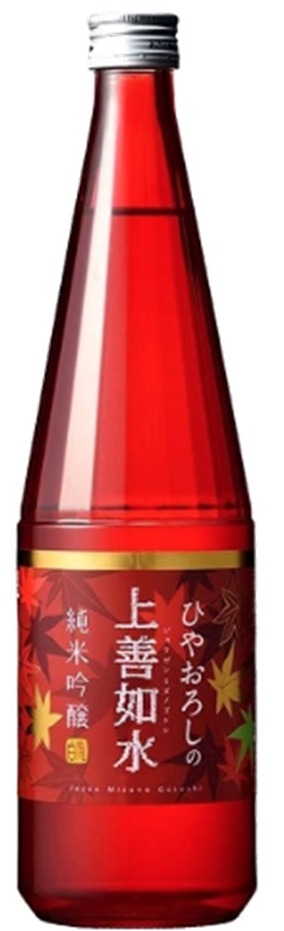
Hiyaoroshi is a general term referring to sake that has been pasteurized once in the winter and then allowed to mature over the summer before distribution in autumn. The Japan Sake Brewers Association designates September 9th as the official start for Hiyaoroshi sales. (Essentially aged Namazume)
September 9th is known as Kiku-no-Sekku (“Chrysanthemum Festival”), where hundreds of chrysanthemums are displayed around various venues and chrysanthemum sake is served. The chrysanthemum (kiku) was brought to Japan from China during the Nara period. In 1183, it was adopted as the Imperial Seal of Japan, and during the Meiji period no one but the Emperor could use it. Nowadays it still represents the authority of the emperor and you can see it everywhere in Japan.
Aromas are forward, fresh, and fruity in the nose with notes of sweet melon, cherries, and hints of vanilla. Flavors on the palate evoke feelings of the season with pumpkin pie, roasted nuts, and stewed plums. This sake is medium-bodied and accented by medium acidity, showing classic Jozen minerality and a lingering dry finish. Additional 7 months of aging adds depth and roundness.
{Pairs with roasted poultry, baked ham, butternut squash ravioli, BBQ, and dishes with sweet spice.
Aged Gouda, triple cream, fresh chevre .
ABOUT SHIRATAKI SHUZO:
Shirataki is located in the heart of the Japanese Alps called "Snow Country" in the Niigata prefecture. Each spring the snowpack melts providing an abundance of clear natural spring water. This water runs through a coal seam providing a natural filtration process that accentuates the taste and quality of the water. This very soft water is the secret behind the very light, elegant, pretty style of sake made at Shirataki. The town of Echigo Yuzawa is home to "Koshihikari" a famous high quality rice brand in Japan.

Hiyaoroshi is a general term referring to sake that has been pasteurized once in the winter and then allowed to mature over the summer before distribution in autumn. The Japan Sake Brewers Association designates September 9th as the official start for Hiyaoroshi sales. (Essentially aged Namazume)
September 9th is known as Kiku-no-Sekku (“Chrysanthemum Festival”), where hundreds of chrysanthemums are displayed around various venues and chrysanthemum sake is served. The chrysanthemum (kiku) was brought to Japan from China during the Nara period. In 1183, it was adopted as the Imperial Seal of Japan, and during the Meiji period no one but the Emperor could use it. Nowadays it still represents the authority of the emperor and you can see it everywhere in Japan.
Aromas are forward, fresh, and fruity in the nose with notes of sweet melon, cherries, and hints of vanilla. Flavors on the palate evoke feelings of the season with pumpkin pie, roasted nuts, and stewed plums. This sake is medium-bodied and accented by medium acidity, showing classic Jozen minerality and a lingering dry finish. Additional 7 months of aging adds depth and roundness.
{Pairs with roasted poultry, baked ham, butternut squash ravioli, BBQ, and dishes with sweet spice.
Aged Gouda, triple cream, fresh chevre .

Inviting aromas of mint, marshmallow and Asian pear pull you into this drink. Surprisingly dry, this Nigori (cloudy) style sake has a rich, chewy texture. The intriguing mid palate features mint, white chocolate, and tart cherries. The finish belies our expectations with an elegant, softness of minerals that settles in a dry finish.
Pair with roast duck, dry-rub ribs, full flavored country pate, and fruit and nut desserts of light sweetness.
Mildly ripe Coulommiers or Brie, Italian Raschera.

This unpasteurized sake is exciting and lively with a nose full of citrus, apple blossom and shizo. The palate is equally as bold featuring fresh persimmons, marshmallow and slightly underipe stone fruit. The finish is clean showing soft minerality.
POLISHING RATIO: 60%
ALCOHOL: 15.5
SMV +/-: +5.0
ACIDITY: 1.6
RICE KOJI: GOHYAKUMANGOKU
RICE KAKE: KOSHI IBUKI
YEAST STRAIN: K1801
FOOD PAIRINGS: Sushi Nigiri with fatty fish, oysters, omelettes, Lighter Italian, Chinese or French dishes
CHEESE PAIRINGS: Mildly ripe Coulommiers or Brie, Italian Raschera

Sake Eikun Junmai Ginjo Water Lords 12/720ml is made with Iwai rice.
Eikun sake uses water from a source called "Fusui", rated as one of the top 100 sources of water in Japan. This water source is located just south of the ancient Japanese, and still cultural capital of Japan, Kyoto.
Aromas of macadamia oatmeal cookie, spicy zucchini bread, and vanilla cream with a satiny fruity-yet-dry medium-to-full body and a layered, banana custard, jicama, salted whole nut, apple, and radish nuanced finish. A Wonderfully vibrant and flavorful sake.-Beverage Tasting Institute 94 points (Exceptional)
RATING: 94 points (Exceptional)
CATEGORY: Junmai Ginjo Sake, Sake
ALCOHOL BY VOLUME: 15.3%
TASTING LOCATION: In Our Chicago Tasting Room
TASTING DATE: Dec-05-2012
WINE ID: 200768
Made with Iwai rice.
Eikun sake uses water from a source called "Fusui", rated as one of the top 100 sources of water in Japan. This water source is located just south of the ancient Japanese, and still cultural capital of Japan, Kyoto.
Rice milling: 60%

Woodsy honeycomb, nutshell, and mushroom patch aromas with a satiny fruity-yet-dry medium-to-full body and a delicate savory mushroom stock, chestnut, and golden beet driven finish. A fine choice for tempura. 91 Points -Beverage Tasting Institute
RATING: 91 points (Exceptional)
CATEGORY: Junmai Ginjo Sake, Sake
ALCOHOL BY VOLUME: 15.4%
TASTING LOCATION: In Our Chicago Tasting Room
TASTING DATE: Dec-05-2012
WINE ID: 200767

TASTING NOTES:
This is a classic, delicious Honjozo with crimini mushroom, almonds and lilac aromas. The first sip of this sake is full of stone fruit and minerals complimented by notes of caramel, cocoa and almond and finishes with plenty of umami.
POLISHING RATIO: 60%
ALCOHOL: 16-17%
SMV +/-: +3.0
ACIDITY: 1.6
RICE KOJI: JAPANESE RICE 100%
RICE KAKE: JAPANESE RICE 100%
YEAST STRAIN: KYOKAI
FOOD PAIRINGS: Chinese Food, One Pot dishes like Beef Stew.
CHEESE PAIRINGS: Foggy Morning, Prima Donna, Domaine de Village

Clos Saint-Jean is a 41-hectare estate in Châteauneuf-du-Pape run by brothers Vincent and Pascal Maurel. Considered by many critics and wine-writers as the preeminent estate espousing the modern style of winemaking in Châteauneuf, this cellar is one of the oldest in the region, having been founded in 1900 by the greatgreat-grandfather of Vincent and Pascal, Edmund Tacussel. A short time after its founding and well before the AOP of Chateauneuf-du-Pape was created in 1923, Edmund began bottling estate wines in 1910.
The farming at Clos Saint-Jean is fully sustainable due to the warm and dry climate, which prevents the need for chemical inputs. Instead, Vincent and Pascal employ organic methods for pest control, mainly pheromones, to prevent pests from taking up residence in their vines, a process called amusingly enough in French, confusion sexuelle. The vines tended manually, and harvest is conducted in several passes entirely by hand.
Deus ex Machina is a literary and dramatic term for a miraculous intervention that interrupts a logical course of events in a plot or play. A suitable name for a cuvée that had it’s start in the torrid vintage of 2003 when Philippe Cambie and Vincent Maurel made the decision to harvest at the end of September, weeks after their neighbors. Deus ex Machina is a blend of old vine Grenache from La Crau, aged in tank with equally ancient Mourvedre from the sandy soils of BoisDauphin aged in demi-muid. Deus ex Machina is only made in the best vintages.
Review:
Lastly, the 2022 Châteauneuf Du Pape Deus-Ex Machina shows a similar profile to the Combes des Fous, yet it brings another level of tannins and concentration. Kirsch liqueur, white flowers, sandalwood, cured meats, and graphite notes all shine here, and it's full-bodied, has a deep, layered, powerful, yet weightless profile, lots of ripe tannins, and a blockbuster of a finish. This ripe, sexy, seamless, incredibly impressive beauty will compete with anything in the vintage. As usual, this cuvée is 60% Grenache and 40% Mourvedre, which is brought up in roughly 40% new demi-muids.
Review: Jeb Dunnuck 97 Points

Burgo Viejo Rioja Blanco Organic is made from 60% Viura and 40% Trempranillo Blanco
No Oak. Aged 3 months on the lees with frequent batonnage
Pale yellow color with green tones. Fresh and intense flavors of white fruits, peach, apple and some citrus notes.
Full-bodied mouth with nice balance of volume and length.
Vineyards are located in Alfaro.
Manual harvest in 8 kilograms baskets.
100% destemmed.
Light pressing of the grapes.
Fermentation at controlled temperature in stainless steel tanks.
No Malolactic fermentation.
Aged 3 months on the lees with frequent batonnage. (stirring of the lees)
Pairs with seafood, pasta and rice dishes, smooth cheeses.



