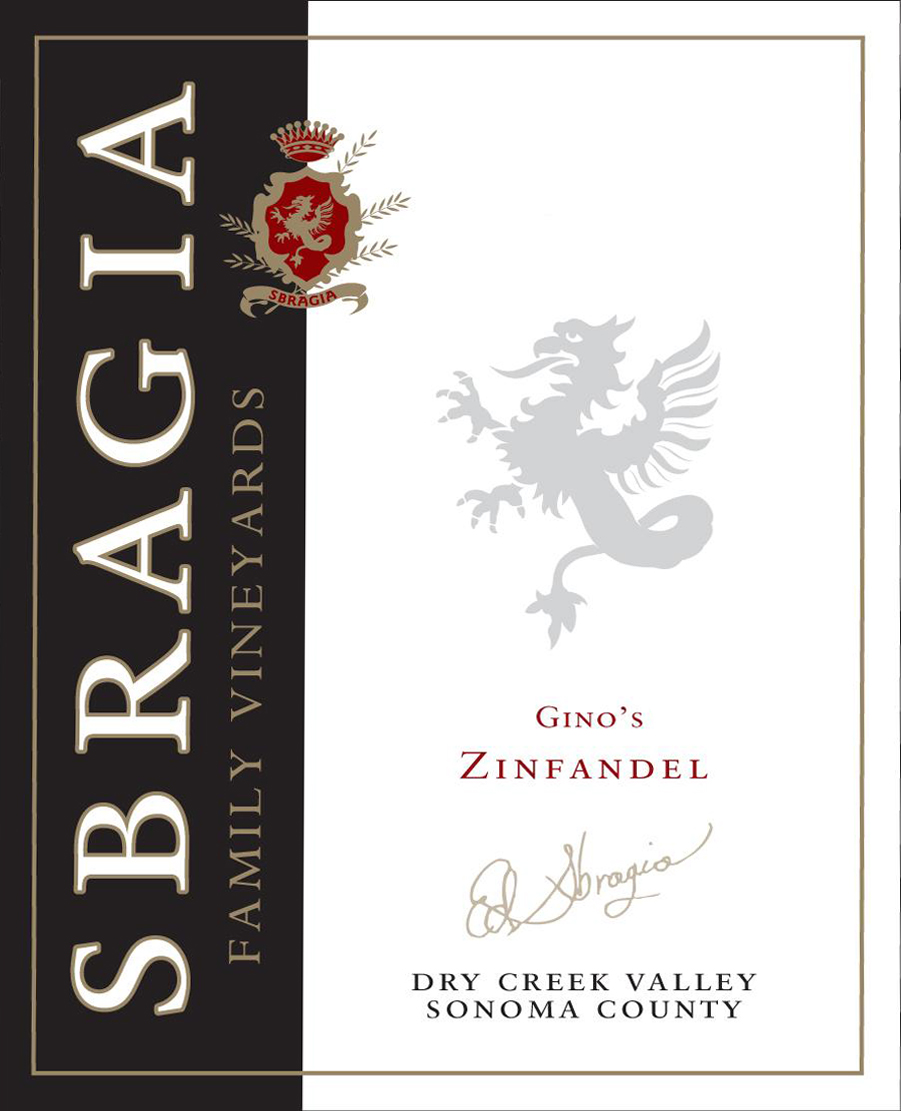
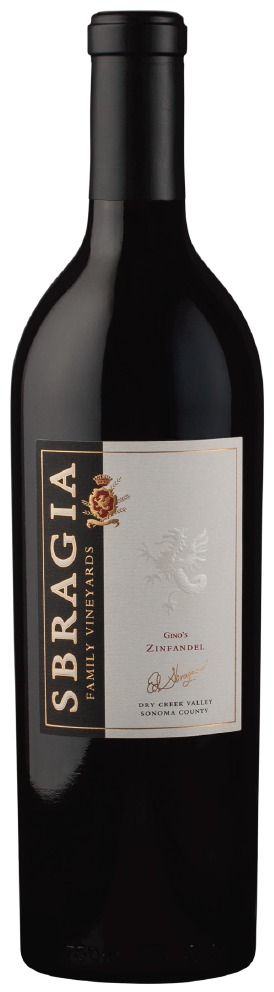
" We don't sell the wine without touching the vine "
| Country: | United States |
| Regions: | California California (Sonoma County) |
| Winery: | Sbragia Family Vineyards |
| Grape Type: | Zinfandel |
| Organic: | Yes |
| Vintage: | 2012 |
| Bottle Size: | 750 ml |
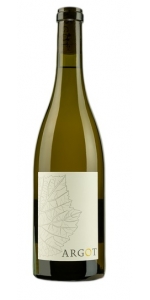
Argot Chardonnay Sonoma County is made from 100 percent Chardonnay.
Pouring a green-tinted gold, our Sonoma County Chardonnay is a beautiful wine from word go. Radiating from within, a blast of apple/pear fruit informs this wine both aromatically, and on the palate. As flavors unfurl, a progression of orange blossom, pineapple, white peach, and hazlenut are followed by a finish dominated by ginger, baked apple, with a trailing kiss of mint’s freshness. A stunning wine — wholly informed by the perfection of 2018’s growing season — defined by its dichotomy of massively intense flavors, and superb acidity and freshness.
Raised by minimalistic methods, often associated with the classic Chardonnay winemaking techniques of Meursault. With a focus on the coolest Chardonnay region in Sonoma County, 2018’s long, even growing season favored our vineyards’ moderate climate, old vines and deep volcanic soils. These grapes were allowed an extended ripening period on the vine, resulting in perfect balance and concentrated flavors.
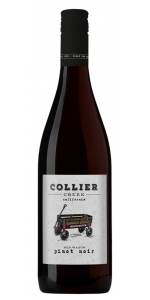
Collier Creek Old Press Zinfandel is made from 93% Zinfandel and 7% Petite Sirah.
Nestled in the heart of the Lodi Appellation, where farmland ran as far as the eye could see, Collier Creek is a place that reminds us of simpler times. The ol' press may look different these days, but this Zinfandel is still a classic with notes of dark fruit, baking spice, vanilla and a velvet mouthfeel.
Pair with blue cheese, bbq pork ribs, leg of lamb.
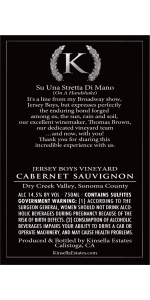
Pure 100% cabernet Sauvignon, this vineyard continually astonishes. Loads of loamy soil notes followed by blue and black fruits give this cabernet massive depth and beautiful integrated tannins. Milk chocolate, crème de cassis and tobacco give this massive wine the depth you come to expect with Napa cabs, but it is all Sonoma County, all from our magnificent little private valley which sees sun all day! We buy no fruit; we sell no fruit.
Jersey Boys Vineyard (Kevin Kinsella is the largest individual investor in the hit Broadway show "Jersey Boys")
Jersey Boys is a six-acre vineyard that was replanted in 2008 with four different clones of Cabernet Sauvignon, handpicked by winemaker Thomas Rivers Brown.
“While it was the third consecutive year marked by limited rainfall, the 2014 vintage offered a perfectly temperate growing season characterized by long, moderate days and cool, clear nights. We began the year with warm spring conditions that gave way to an early budbreak and the consistent, dry weather afforded an optimal fruit set of small berries with incredible concentration. Crop yields were down a bit from 2013, but the quality was magnificent. It was a textbook growing season, every winemaker’s dream.”
- Winemaker Thomas Rivers Brown
Any vegetable or meat in the grill. Delicious with Chocolate as well.
Review:
"There are 645 cases of the 100% Cabernet Sauvignon 2014 Cabernet Sauvignon Jersey Boys Vineyard (named after the fact that the Broadway Musical “Jersey Boys” was brought to the stage and screen by the owner of Kinsella). This wine and its siblings will do a lot to establish Dry Creek as more than another viticulture area better known for Zinfandel than Cabernet Sauvignon. This is a killer Cabernet Sauvignon with dazzling fruit levels and loads of loamy soil notes intermixed with black raspberry, blueberry and blackcurrant. The superripe and pure fruit hits the palate with a full-bodied crescendo. The wine offers up notes of underbrush, unsmoked cigar tobacco, pen ink and plenty of crème de cassis and blackberry, Drink it over the next 20-25 years. - RP"
- Robert Parker's Wine Advocate (Issue #227, October 2016), 95 pts
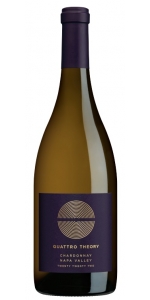
Quattro Theory Chardonnay Napa Valley is made from 100 percent Chardonnay.
VISION: Working with cool-climate fruit, Landon achieves a Napa Valley Chardonnay that is more traditional in style with balanced acidity, minimal oak and non-malolactic fermentation to highlight a full range of varietal fruit expression, taking inspiration from the coastal Chardonnays of Sonoma County.
VINEYARDS: The grapes for this Chardonnay are sourced from two vineyards: three blocks in our estate Vista Montone Vineyard located just east of Carneros, and Frasamani, a long-term grower partner vineyard located in the southernmost part of Carneros. These sites were selected for the variety of vineyard aspects (N, NE) and various vine age, soils and clones, which offer a complex palette of aromas, flavors and textures. The grapes are harvested by hand at night in small lots over a few weeks, picked when perfectly poised to achieve the vision for our wine style. GROWING SEASON: 2022 brought dry conditions given the persisting drought. Harvest started earlier given the warm temperatures with the fruit showcasing balanced acidity and freshness with remarkable flavors and textures. Even though yields were down, quality was excellent.
WINEMAKING: Our cellar is set up to handle each lot individually through the winemaking process, with every step intentionally designed to emphasize the natural aromatic and varietal character with minimal intervention. Each pick is whole-cluster pressed over two hours, with 23 check ins to ensure desired style— a gentle, yet labor-intensive program to help retain natural acidity and to isolate the exact desired press of juice. The juice is gently pumped to stainless-steel tanks then chilled to undergo cold stabulation for 5 days, keeping the light juice lees in suspension to enhance aromatics. The juice is then racked off the lees to each vessel and individually inoculated to begin a cold fermentation to completely dry, and then rests on the lees (yeast) for 6 months for a final build of body and flavors before the blend is assembled.
EXPERIENCE: With its expressive flavors and restrained oak presence, this Chardonnay offers the balance, structure and complexity to make it a perfect white wine option to go with food or enjoyed on its own. This wine’s range of fruit flavors includes crisp Asian pear, to stone fruit to tropical fruit. Suggested pairings include pan-seared scallops, butternut squash ravioli and mushroom and mozzarella pizza.
Review:
Bright, fresh green apples in the nose and tangy, appetizing lemon zest and kiwis on the palate give this lively wine a palate-cleansing expression that will be fantastic for pairing with fish, shellfish and poultry.
-Wine Enthusiast 93 Points
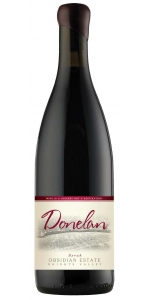
Obsidian Vineyard Syrah is bathed in terroir. The vines experience severe stress, pushing the roots ever deeper through rock in search of water, producing miniature clusters of intense power. Given the wine’s natural propensity for tannin, we take extreme care in the cellar to chisel/whittle its rough edges and leave room for richness to flatter its distinctive scaffold. The mid-palate supports flavors of roasted coffee beans, sarsaparilla, and dark chocolate. The finish marches on long after most wines have tired.
Our estate vineyard — the six-acre Obsidian Vineyard in the Knights Valley AVA — has an incredibly complex soil structure. It takes its name from a layer of volcanic obsidian rock that was discovered when we drilled for water.
Chocolate ganache, black currants, fig, graphite, and an expansive mouthfeel.
Review:
"Joe Donelan believes his Obsidian Vineyard is one of the world’s greatest sites for Syrah. I’ve visited the site twice, and can say candidly it certainly sits among the most striking vineyards I've ever laid eyes on within the U.S. It sits like a rock on a promontory—two switchbacks to reach the top—and the stones under the top soil, quite literally, never stop emerging from the ground. The place has an ancient, almost sacred, temple-like feel. It is consistently swept by afternoon breezes. The vineyard was replanted in 2017 after fires ravaged it. Winemaker David Milner laid out the site at denser spacing than before, at 2,000 vines per acre to keep yields per vine low while still achieving sensible tonnage, averaging around three tonnes per acre. Viognier was planted for co-fermentations, alongside some Cabernet Sauvignon, for a single vineyard bottling of that grape. ‘God put on his viticultural hat when he designed this site,’ says Milner. The vineyard is planted with ENTA 174, 877, and Alban 1 clones, along with Donelan Heritage selections certified virus-free. The wine, the 2023 vintage release (the first from the new vines), was aged for 21 months in 36% new oak and co-fermented with 1.8% Viognier, using 32% whole clusters. And it is positively gorgeous: composed of nine different blocks, each fermented separately, then assembled through sequential blending, with no racking until bottling. From just five-year-old vines, this wine is utterly extraordinary—something oddly achievable from young vines on rare occasion. I tasted this wine from the same bottle over three days. While the high-toned espresso-bean and cedar accents are present at first pull of the cork, they mellow out a day later, and the fruit profile is so vibrant. This is the sign of an excellent wine. I first tasted wines from the Donelan’s Obsidian Vineyard years ago at Tasting Panel Magazine in the late, great Anthony Dias Blue’s office. Cushing Donelan showed the wines, and to this day, I recall the first moment I put my nose into a glass of Obsidian Syrah. In early January of 2026, as I nosed this brand new release of Obsidian Syrah, I was transported straight back to that tasting twelve years ago. What’s remarkable is that the aromatics are unmistakably the same, yet from these new, more densely planted vines, the aromas are more refined—precision-farmed wines from young vines delivering a level of detail and poise that feels beyond their years. So what’s in the glass? Pure red, black, and blue fruit nuances layered with tobacco, white truffle character, violet pastille, and an intoxicating perfume. White pepper notes emerge on the medium- to full-bodied palate, framed by velvety tannins. Iron-like and crushed slate minerality underpins dazzling black cherry and blackberry fruit, brown spices, and blood orange richness. There’s a velvety, iron-fist quality here that exudes polish, complexity, and undeniable quality. You want to drink it now—and you absolutely can—but it will also reward time in the cellar. Either way, you’ll be utterly wowed. And when you realise the price is under £100, the achievement becomes even more staggering. As these vines mature, what will become of them in subsequent vintages? I suspect that as the vines mature, they'll go in and out of phases, but so long as Mother Nature cooperates, I expect this wine to continue to dazzle each vintage. - Jonathan CRISTALDI"
Decanter (January 5th 2026), 100 points
This is the first vintage of the Obsidian Syrah after wildfires torched the vineyard in 2017, leading to significant redevelopment. Throughout all those years, the Donelans have exhibited remarkable patience and a clear sense of purpose. This is their reward: a truly magnificent, towering wine of the highest level.
Knights Valley is one of the most magical grape-growing districts in the United States, but it is not very well known because only a few estate wineries are located there.
The 2023 Syria Obsidian Estate is one of the most profound, moving wines I have tasted in Sonoma County. Blackberry, gravel, incense, chocolate, lavender, and dried herbs race out of the glass. Delicate yet powerful, the 2023 is spectacular. It is also very fairly priced in today’s market.
Vinous 100 Points
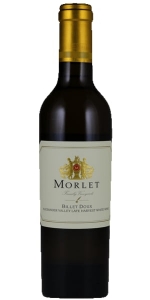
Morlet Family Vineyards Billet Doux Late Harvest Semillon 2012 (half-bottle) is made from Sémillon (65%) Sauvignon Blanc (31%) Muscat à Petits Grains (4%)
rowing in the gravelly soil of an ancient riverbed in the beautiful Alexander Valley, the old vines benefit from hot afternoons and cool, foggy mornings, favorable for the development of Botrytis (Noble Rot). Extremely small yields in the Sémillon, Sauvignon Blanc and Muscat vineyards lead to the immensely concentrated fruit. Just as one receives a note from one’s sweetheart, we present this wine as a precious ‘Love Note’ or ‘Billet Doux.’
Deep crystal clear gold. Intense and complex bouquet of dry apricot, pêche de vigne and Reine Claude yellow plum intermixed with notes of quince, honey, Muscat and a hint of sweet vanilla. Full bodied, the palate is reminiscent of the nose, with a creamy sweet texture and a great intensity. The large amount of sugar and glycerin creates a highlighted viscosity. Along with the wine’s great concentration, richness and opulence, the classical aromatic complexity reveals a flamboyant yet harmonious ensemble, leading to a very long, complex and smooth finish.
Proprietary name ‘Billet Doux’
Name meaning Love Note
Type of wine Late harvest white wine
Appellation Alexander Valley
Vineyard singularity 25-60 year old vines Loamy and gravelly soils from an ancient river bed One cluster per shoot ‘de rigueur’
Typical harvest date November Picking Manual, small lugs, refrigerated truck
Sorting Cluster by cluster
Fermentation In barrel through native yeast
Upbringing 16 months French Oak from selected artisan Coopers
Bottling Unfined, filtered to prevent Malolactic
Cellaring time Decades
Serving Chilled and decanted
Review:
Produced from 65% Sémillon, 31% Sauvignon Blanc and 4% Muscat, the 2012 Billet Doux has a medium golden color and profoundly scented nose of beeswax, honeyed nuts, orange marmalade, Manuka honey and preserved lemons. Full-bodied, full-on sweet, rich, concentrated and oh-so-unctuous, it delivers powerful flavor layers and epic length. 175 cases were made.
-Wine Advocate 97 Points
Initial notes of black tea and toasted tobacco are joined by hints of spices and a bare whiff of bacon. The wine is full on the palate, viscous and coating yet, for all of that it manages to say, "I am Zinfandel".
ALC: 15.1%
TA: 6.3 gm/L
pH: 3.93
VARIETALS: 94% Zinfandel, 4% Carignane, 2% Petite Sirah
VINEYARDS: 51% La Promessa, 42% Gino’s Estate, 7% Italo’s
La Promessa: (Dry Creek Valley, 7 Acres planted in 1999, Estate Grown) Located next to our winery on a rocky, southwest-facing slope, this vineyard is ‘The Promise’ that I made to my father to continue our family’s winemaking tradition in Dry Creek Valley.
Gino's: (Dry Creek Valley, 5 Acres planted in 1957, Estate Grown, Field Blend) Located in the cooler, southern end of Dry Creek Valley, it’s the place I played as a child, and where my son, Adam, was first introduced to viticulture.
Italo’s: (Alexander Valley, 8 Acres planted in 1934, Field Blend) Planted by my father, Gino and Uncle Italo just after prohibition. Today, my cousins farm the vineyard, and I’m honored to crush the grapes.
Sbragia Family Vineyards Estate
Sbragia Family Vineyards is located in the beautiful Dry Creek Valley and is where winemakers, Ed and Adam Sbragia, make their limited production wine. A third generation Dry Creek Valley vintner, Ed is well known for his position as Winemaster at Beringer Vineyards in Napa. He began working at Beringer in 1976, working under legendary winemaker, Myron Nighingale. During his career, Ed has become one of California’s most talented and respected winemakers. The Sbragia family history runs deep in the Dry Creek Valley. Ed’s grandfather came to the valley from Tuscany in 1904, where he worked in wineries, starting at the Italian Swiss Colony. Ed’s father, Gino, acquired his own vineyards near Healdsburg, growing zinfandel grapes for sale and home winemaking. "He made excellent wine," says Ed, "and he taught me that making wine is a very natural process – that good grapes and good techniques will always make good red wine."
In 2001, Ed created his own label, Sbragia Family Vineyards, to focus on making limited, individual lots of wine from grapes grown in select blocks of his favorite vineyards in Dry Creek, Napa, and Sonoma. Five of the wines, including Sauvignon Blanc, Chardonnay, Merlot and two Zinfandels, are sourced from Sbragia family-owned estate vineyards that range in size from five to thirteen acres. Like his tenure with Beringer, Ed continues to make “big reds,” including Cabernets from Howell Mountain, Mt. Veeder, Sonoma Mountain and Alexander Valley. The wines all exhibit Ed’s distinctive and acclaimed style – big, rich, balanced and polished.
The Sbragia Family Vineyard
At Sbragia Family Vineyards, we source grapes from about 50 acres of family-owned vineyards the Sbragias have been farming for over 100 years in Historic Dry Creek Valley. Ed & Adam also purchase grapes from their favorite vineyards throughout Sonoma and Napa Valleys. I’ve always had one foot in Sonoma and the other in Napa. Both areas mean a lot to me emotionally. I’m more attached to Dry Creek because it’s where I raised my kids. But the wines that I’ve made at Beringer are like children, so Napa is also a very special place to me.
Dry Creek Valley:
Dry Creek Valley, a premium winegrowing region, is located in Northern Sonoma County, California, only an hour north of the Golden Gate Bridge/San Francisco.
Renowned for its idyllic undisturbed beauty, Dry Creek Valley is home to over 9,000 acres of vineyards that carpet the intimate 16-mile long x 2-mile wide valley, floor to hillside. With a grape growing history going back 140 years – one of the longest in California – producing premium winegrapes is core to this region. In fact, the valley boasts one of the densest concentrations of Old Vine Zinfandel in the world.
Alexander Valley:
Located at the northern end of Sonoma County, the Alexander Valley is 22 miles long and varies in width from two to seven miles. On the hillsides to the east and west, and adjacent to the beautiful Russian River winding along the valley floor, the valley is home to a diversity of microclimates that support the growth of many wine grape varieties including Cabernet Sauvignon, Zinfandel, Chardonnay, Sauvignon Blanc, and many more.
Sonoma Valley:
The Sonoma Valley AVA centers on the Sonoma Valley (also known as The Valley of the Moon) in the southern portion of the county. The appellation is bordered by two mountain ranges: the Mayacamas Mountains to the east and the Sonoma Mountains to the west.
Along with being the area where so much of Sonoma County's winemaking history took place, the area is known for its unique terroir, with Sonoma Mountain protecting the area from the wet and cool influence of the nearby Pacific Ocean.
One finds a wide disparity between valley floor and mountain soils; those found in flatter, valley areas tend to be quite fertile, loamy and have better water-retention while the soils at higher elevations are meager, rocky and well-drained. In general, the structure, rather than the composition of the soil, is the deciding factor where grape plantings are concerned.
Napa Valley:
Though just 30 miles long and a few miles wide, Napa Valley is home to diverse microclimates and soils uniquely suited to the cultivation of a variety of fine wine grapes. Among the internationally acclaimed wines produced in this small region are Cabernet Sauvignon, Merlot, Pinot Noir, Chardonnay, Sauvignon Blanc, Zinfandel and Cabernet Franc.
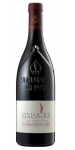
Clos Saint-Jean is a 41-hectare estate in Châteauneuf-du-Pape run by brothers Vincent and Pascal Maurel. Considered by many critics and wine-writers as the preeminent estate espousing the modern style of winemaking in Châteauneuf, this cellar is one of the oldest in the region, having been founded in 1900 by the greatgreat-grandfather of Vincent and Pascal, Edmund Tacussel. A short time after its founding and well before the AOP of Chateauneuf-du-Pape was created in 1923, Edmund began bottling estate wines in 1910.
The farming at Clos Saint-Jean is fully sustainable due to the warm and dry climate, which prevents the need for chemical inputs. Instead, Vincent and Pascal employ organic methods for pest control, mainly pheromones, to prevent pests from taking up residence in their vines, a process called amusingly enough in French, confusion sexuelle. The vines tended manually, and harvest is conducted in several passes entirely by hand.
Deus ex Machina is a literary and dramatic term for a miraculous intervention that interrupts a logical course of events in a plot or play. A suitable name for a cuvée that had it’s start in the torrid vintage of 2003 when Philippe Cambie and Vincent Maurel made the decision to harvest at the end of September, weeks after their neighbors. Deus ex Machina is a blend of old vine Grenache from La Crau, aged in tank with equally ancient Mourvedre from the sandy soils of BoisDauphin aged in demi-muid. Deus ex Machina is only made in the best vintages.
Review:
Lastly, the 2022 Châteauneuf Du Pape Deus-Ex Machina shows a similar profile to the Combes des Fous, yet it brings another level of tannins and concentration. Kirsch liqueur, white flowers, sandalwood, cured meats, and graphite notes all shine here, and it's full-bodied, has a deep, layered, powerful, yet weightless profile, lots of ripe tannins, and a blockbuster of a finish. This ripe, sexy, seamless, incredibly impressive beauty will compete with anything in the vintage. As usual, this cuvée is 60% Grenache and 40% Mourvedre, which is brought up in roughly 40% new demi-muids.
Review: Jeb Dunnuck 97 Points
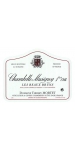
Thierry Mortet Chambolle Musigny 1er Cru Beaux Bruns is made from a single vineyard. (0.55 acre). 30 years old vines, planted on clay, limestone and flint based soils.
The wine is produced from a single vineyard (0.55 acres) planted on clay, limestone and flint based soils. It shows a dark color, ripe black fruit and pepper aromas. Long and intense flavors. Smooth tannins, good length and red fruits on the finish. An elegant wine with a delicate, beautiful structure.
Very fine wine, delicate, beautiful structure.