
" We don't sell the wine without touching the vine "
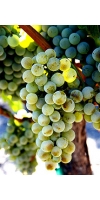
This beautiful golden skinned grape is a beautiful white wine grape that creates sweet wines. The Semillon grape variety is said to be one of the most popular varieties of wine grapes in the world. Semillon blanketed almost all of Chilean vineyards during the 1900s. The type was also used to create white wines in France and Australia. Semillion creates white wines that are the longest lasting, and are responsible for some of the most popular sweet wines in the world today. Semillon is a variety famed from the region of Bordeaux and has also been grown in regions of Australia, in the oldest wineries in the region. In South Africa, the variety was also very popular, and covered roughly 90 percent of the vineyards in the South African Cape region in the 1900s. The popularity declined and today, the Semilion makes up around 1 percent of the vineyards. Because the variety can withstand difficult conditions such as rot and disease, Semillion has been a popular choice. These grapes tend to bear high yields, and are low in acid and contain a somewhat oily texture. Wines crafted from the variety tend to be sweet and dry. The ease of cultivation and the variety's nature to be harvested early in the year also lends to its popularity. When Semilion is grown in hot regions, the color of the grape can actually turn a nice light pink color because of its light skin. Australian wines with Semillon are sweet and contain honey-like aromas, and can include a apple or citrus flavor. Crisp flavors of lemon or lime can also be present.
Camus Graves Blanc is made from 50% Sauvignon Blanc and 50% Semillon.
A beautiful, brilliant color, this wine offers a great aromatic balance with complex and mineral notes, Offering white fruit (peach and pear), citrus (grapefruit and lemon), and a toasty finish with a delicate oak presence. The mouthfeel is rich and complex with a great minerality, freshness, structure, and a good length to the finish.
Pairs with poultry, fish, and shellfish.
Camus Graves Blanc is made from 50% Sauvignon Blanc and 50% Semillon.
A beautiful, brilliant color, this wine offers a great aromatic balance with complex and mineral notes, Offering white fruit (peach and pear), citrus (grapefruit and lemon), and a toasty finish with a delicate oak presence. The mouthfeel is rich and complex with a great minerality, freshness, structure, and a good length to the finish.
Pairs with poultry, fish, and shellfish.

All older vintage wines have been purchased from a single collectors cellar. Pictures can be requested before shipment.
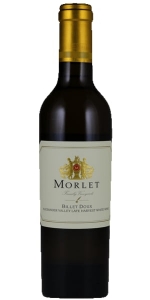
Morlet Family Vineyards Billet Doux Late Harvest Semillon 2012 (half-bottle) is made from Sémillon (65%) Sauvignon Blanc (31%) Muscat à Petits Grains (4%)
rowing in the gravelly soil of an ancient riverbed in the beautiful Alexander Valley, the old vines benefit from hot afternoons and cool, foggy mornings, favorable for the development of Botrytis (Noble Rot). Extremely small yields in the Sémillon, Sauvignon Blanc and Muscat vineyards lead to the immensely concentrated fruit. Just as one receives a note from one’s sweetheart, we present this wine as a precious ‘Love Note’ or ‘Billet Doux.’
Deep crystal clear gold. Intense and complex bouquet of dry apricot, pêche de vigne and Reine Claude yellow plum intermixed with notes of quince, honey, Muscat and a hint of sweet vanilla. Full bodied, the palate is reminiscent of the nose, with a creamy sweet texture and a great intensity. The large amount of sugar and glycerin creates a highlighted viscosity. Along with the wine’s great concentration, richness and opulence, the classical aromatic complexity reveals a flamboyant yet harmonious ensemble, leading to a very long, complex and smooth finish.
Proprietary name ‘Billet Doux’
Name meaning Love Note
Type of wine Late harvest white wine
Appellation Alexander Valley
Vineyard singularity 25-60 year old vines Loamy and gravelly soils from an ancient river bed One cluster per shoot ‘de rigueur’
Typical harvest date November Picking Manual, small lugs, refrigerated truck
Sorting Cluster by cluster
Fermentation In barrel through native yeast
Upbringing 16 months French Oak from selected artisan Coopers
Bottling Unfined, filtered to prevent Malolactic
Cellaring time Decades
Serving Chilled and decanted
Review:
Produced from 65% Sémillon, 31% Sauvignon Blanc and 4% Muscat, the 2012 Billet Doux has a medium golden color and profoundly scented nose of beeswax, honeyed nuts, orange marmalade, Manuka honey and preserved lemons. Full-bodied, full-on sweet, rich, concentrated and oh-so-unctuous, it delivers powerful flavor layers and epic length. 175 cases were made.
-Wine Advocate 97 Points
Very clean and fresh. Notes of honeysuckle and peach blossom in the nose. White nectarine and charentais melon on the palate. Fresh, clean, and nice salinity on the finish.
Pairs with melon and proscutto, mild cheeses, fresh shellfish.
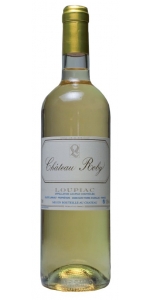
Roby Loupiac Semillon is made from 100% Sémillon.
This two-hectare estate is run by Colette Larriaut who inherited from her parents Jean and Denise Boutet. Colette focuses on traditional winegrowing and winemaking methods and keeps the passion and precision required to produce great sweet wines.
Château Roby Loupiac is built over time. More time is allowed to ferment and mature in order to produce a wine of character, a sweet wine marrying candied fruits, white fruits and white flowers with a remarkable freshness. The finish is long and very pleasant.
Loupiac is a very good alternative to Sauternes. It is less sweet and syrupy and has a nice balance and a delicious mouthfeel.
RS is around 60gr/L
Excellent with Foie Gras and Blue Cheese, but also with dessert and particularly with dark chocolate based cake.
There are afternoons with indigo skies when we approach one of the oldest plots of the estate. Our stroll from the winery follows a line of cypress trees to the corner of a path. This angle gives its name to our most exceptional vineyard.
El Picón is the great symbol and the most profound reality. The sum of enigmas in a beautiful, pure fruit. The wine of silence and intimate joy, an eternal taste in which generations, labours and nature’s favors culminate.
Grapes from the plot of El Picón, one of the oldest at the Pago de los Capellanes estate in Pedrosa de Duero.
22 months in 225-litre, extra-fine grain French oak barrels dried over 60 months.
Pago de los Capellanes Finca El Picón is a mature red wine with intense aromas of red and black fruit from the forest accompanied by deep balsamic notes and spicy touches provided by aging. In the mouth it is meaty, deep and very balanced. A medium to full-bodied wine with vibrant acidity and fine, velvety tannins. The finish is long and very persistent.
1.6 hectares of clay loam soil with surface gravel. Very poor fertility and very low vineyard yields.
Ruttenstock Gruner Veltliner Weinviertel Klassik is a white wine made of 100% Gruner Veltliner.
The wine offers a touch of pear, spice and dried fruit aromas on the nose, and exotic fruit characters.
Minerality emerges from the primary rock soils, followed by an elegant and lively finish.
Good food companion to many dishes; chicken, pork, fish or cold appetizers.



