
" We don't sell the wine without touching the vine "
| Country: | Australia |
| Region: | South Eastern Australia |
| Winery: | Shaw and Smith |
| Grape Type: | Chardonnay |
| Organic: | Yes |
| Vintage: | 2021 |
| Bottle Size: | 750 ml |
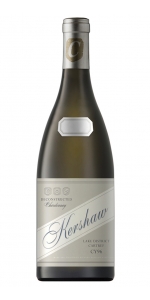
Kershaw Chardonnay Deconstructed Lake District Cartref CY96 is made from 100 percent Chardonnay.
Sourced from the western part of Elgin, known as the Lake District, this clone produces wines that are nervous, aromatic, elegant and sharp with slightly lower alcohol and finely balanced, the fruit profile being subtle with hints of citrus/orange peel and peach blossom and with time, some nutty elements. The Cartref soils, a mixture of decomposed granite, pebbles and quartz, adds delicacy and heightens the fruit intensity.
The inspiration for my Deconstructed Chardonnay stems from my belief that the Elgin region boasts credentials that make it world-class. To bolster these regional credentials, I have set out to prove that Elgin has both a signature grape, as well as specific ‘terroirs' (meso-climates) that reflect intra-regional distinctions. To fully comprehend this, it is necessary to dig deeper into the DNA that make up our region. To elucidate this, I have decided to make these 3 Chardonnay wines, each selected from a specific vineyard and an individual clone. Importantly, this is an ongoing story that will unfold over the coming years.
Kershaw Chardonnay Deconstructed Groenland Shale CY548 is made from 100 percent Chardonnay.
The inspiration for this Chardonnay stems from my belief that the Elgin region has both a signature grape as well as particular terroirs within its demarcated boundary that reflect regional credentials. This Chardonnay was selected from a sub-region of Elgin from a specific vineyard and an individual clone (CY548).
Tasting Notes:
Sourced from the foothills of the Groenland Mountain in Northern Elgin this clone has been taken from Corton Charlemagne cuttings. It produces wines that have aromatics oscillating between lemon blossom, white flowers, petrichor and struck stone. Full in body they exude concentration with white stone fruit yet reinforced with an austere texture and robustness that makes for excellent aging potential. The Bokkeveld Shales adds structure and concentration to the flavor.
Vineyards:
Sourced from the foothills of the Groenland Mountain in Northern Elgin this clone has been taken from Corton Charlemagne cuttings.
Winemaking:
Grapes were hand-picked in the early autumnal mornings, placed into small lug baskets and tipped directly into a press before being gently whole-bunch pressed up to a maximum of 0.6 bar or until a low juice recovery of 580 liters per ton was obtained. The juice gravity-flowed directly to barrel (no pumps were used at all) without settling. The unclarified juice had no enzymes or yeast added to it and therefore underwent spontaneous fermentation until dry, with malolactic discouraged. The wine rested in barrel for 4 months prior to judicious sulfuring and a further 7 months’ maturation in barrel before racking and bottling.
Barrel: Selection: A small number of artisanal coopers are selected from mostly Burgundy, with only French oak was chosen. Up to 40% of the oak is new with the remainder split into 2nd and 3rd fill barrels of predominantly 228 litres.
Look at pairing this with textured fish, straightforward chicken dishes, pan-fried or grilled pork dishes, soft-rind cheeses, cream or creamy dishes be it with pasta or the aforementioned fish, chicken or pork, to allow the complexity of the wine to shine through. If using mustard, preferably use Dijon mustard as it uses verjus (soured grape juice) and not vinegar. Also look to delicate herbs (tarragon, dill, basil, parsley) rather than hard stalked herbs (rosemary, thyme, oregano, etc). Avoid smoked meats or fish as well as highly spiced dishes as this can overwhelm the wine and clash with the oak. I would try oysters; Lobster grilled or boiled but not thermidor as it is too rich; turbot, dover sole, sea bass, yellowtail with a shellfish sauce; fish pie; roasted free-range chicken with tarragon; roast loin of pork with garlic and ginger; truffle risotto; pasta in a clam sauce; slice of brie de meaux.
Review:
"Perfume of flowers, minerals and citrus zest. The palate is dense and focused, almost chewy with an opulent mandarin mid palate and long, savory finish. Matured in 50% new oak that is seamlessly integrated with the wine."
- International Wine Review (Richard Kershaw Lifts Elgin To New Heights, February 2019), 94 pts

Argot Simpatico Ranch Chardonnay is made from 100 percent Chardonnay.
Powerful aromas of key-lime, white flowers, orange blossoms and a fierce, flinty, sauvage note define a wildly complex nose. Once in the mouth, gracefully pronounced textures coat the palate delivering an exotic interpretation of cool-climate Chardonnay character — lime peel, orange blossom, ginger and clove —lingerings deep into a vibrant finish.
Planted 1978. Shallow volcanic soils on the gently-sloped, south-facing foothills of Bennett Peak on Bennett Valley’s floor. One of California’s coolest Chardonnay vineyards. In the final year of 3-year draught cycle, Simpatico Ranch saw its earliest ever harvest and smallest crop, exposing a reserve of exoticism and minerality previously untapped. A watershed vintage for both the vineyard, and appellation. Night harvested by hand on 9/16, whole-cluster pressed direct to barrel; no settling to ensure maximum lees contact. Barrel fermented on heavy lees. Malolactic fermentation. 16 months in French oak, 50% new. Finished 2 months in steel tank, low Sulphur during barrel elevage.
Review:
The 2021 Chardonnay Simpatico Ranch needs a lot of swirling before it shoots from the glass with notes of lemon tart, orange blossoms, candied ginger, and fresh nectarines with hints of crushed rocks, struck flint, and nutmeg. The medium to full-bodied palate delivers amazing tension, with tight-knit citrus and spice layers and a fantastically well woven satiny texture, finishing long and layered. "We only get about 1.5 tons per acre here," said owner/winemaker Justin Harmon. "This comes from old vines on AXR rootstock."
-Wine Independent 97 Points
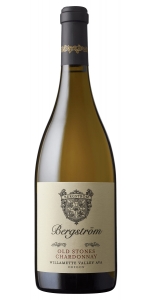
A pale, straw-colored wine with a green hue that is sure to transport you to the sea with its salty succulence and crushed oyster shell notes. Acacia flowers, white pepper, and pear are highlights of an intensely floral expression. Crisp flavors of lime and stone fruit ensure a delightfully light-on-it’s-feet mouthfeel with electric acidity and a long finish.
Reviews:
Creamy in texture yet vibrant in racy acidity, this medium-bodied wine is balanced to a tee and ready to enjoy now or saved for the short term. Offers tangy lemon zest, crisp green apple and delicate lactic accents along with mild oak spices.
-James Suckling 93 Points
The 2021 Chardonnay Old Stones has inviting aromas of baked apples, quince paste, dried acacia, matchstick and gravel dust. The light-bodied palate is most notable for its concentrated fruit and luxurious, mouth-coating texture. Its generosity is balanced by vibrant acidity, and it has a long, honey-nut finish.
-Robert Parker's Wine Advocate 93 Points
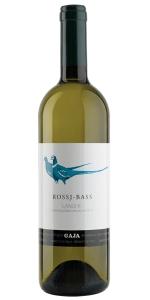
2021 Rossj-Bass displays the main features of the vintage well, with intense fruit concentration and floral notes. The nose shows ripe citrus notes of lemon peel and orange evolving into tropical fruits. The richness of the nose and the same notes are reflected on the palate, where remarkable acidity balances the fruit concentration. The wine is rich, full-bodied and creamy, with a long finish.
Review:
The 2021 Gaja Rossj-Bass starts off with very, crisp, green fruit and much more Sauvignon Blanc dominant aromas of grassy, bright, fragrant green apple and green pepper - all very bright and cheerful. Then Chardonnay seems to take over in the medium-full bodied and pleasing creamy texture of the wine. This is balanced again by the tangy, juicy acidity of Sauvignon. This is very elegant blend of Sauvignon Blanc aromas and zestiness and the textural comfort of Chardonnay. The name Rossj is a nickname of Angelo Gaja’s second daughter, Rossanna.
-Wine Independent 94 Points
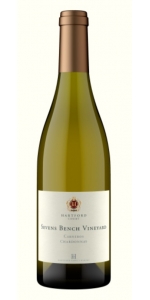
2018 Hartford Family Winery Hartford Court Sevens Bench Vineyard Chardonnay is made from 100 percent Chardonnay.
True to its Carneros roots, the 2021 Sevens Bench Chardonnay carries the hallmark of the region – fruit intensity balanced by good acidity. The aromas are driven by classic lemon drop, Meyer lemon, and lemongrass. That fruit style follows in the flavors, with the citrus focus carrying through with candied lemon drop balanced by the mineral and flint characteristics inherent to the region and the clonal selections. Barrel fermentation notes in the background add even more complexity to this elegant wine.
Review:
"A more opulent style with a richer golden hue, the 2021 Chardonnay Sevens Bench Vineyard takes on more tropical ripe fruits in its notes of golden pineapple, baking spice, and orange zest. Full-bodied, with a rich yet clean, viscous texture, ripe peach, honeysuckle, and citrus oil, it's long on the palate and has nice balance. Drink it now or over the next 6-8 years. —Audrey Frick, jebdunnuck.com, July 2023 94 Points
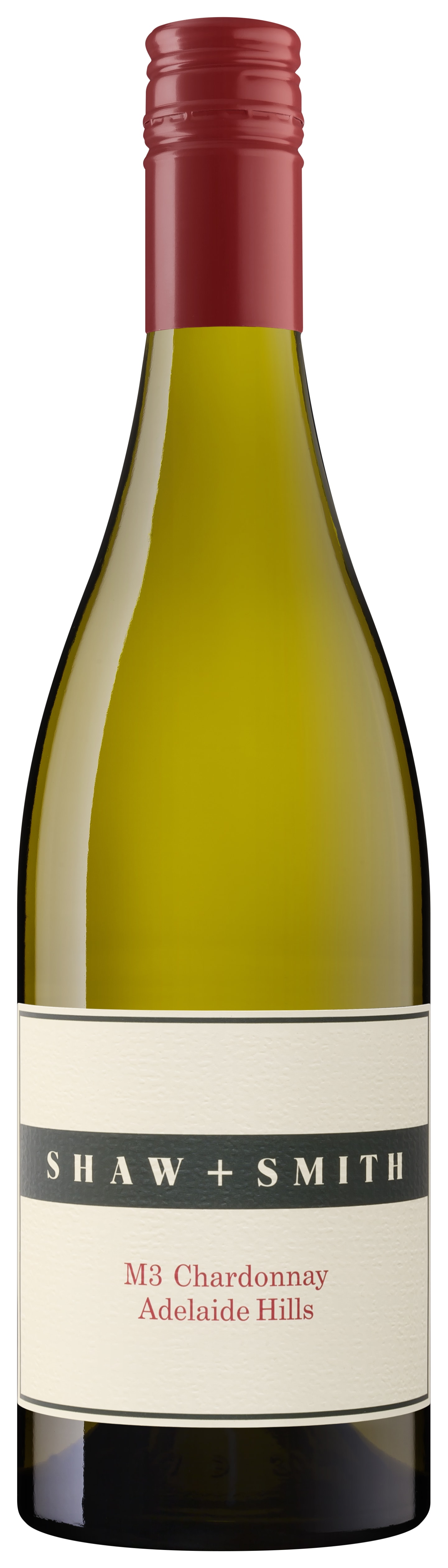
Shaw + Smith M3 Chardonnay is made from 100 percent Chardonnay.
Aiming for elegance, restraint and the ability to age, acid is bright and there’s generosity of flavor. Typically it shows white flowers, citrus, and nectarine notes. The 2021 vintage was one of the best on record. Ripe and healthy fruit resulted in a beautifully balanced M3, with great flavors, and fresh acidity right through to the long finish.
Review:
Restrained, elegant and complex, with no hint of tropical fruit but relevant citrus and white fruit notes in this cool-climate Chardonnay. Oak integration is stunning and the wine shows personality, vibrancy, mouthwatering acidity and a precise, long finish.
-Decanter 96 Points
Shaw + Smith was established in 1989 by cousins Michael Hill Smith MW and Martin Shaw. They make wines exclusively from the Adelaide Hills, from varieties that suit the cooler climate: Sauvignon Blanc, Riesling, Chardonnay, Pinot Noir and Shiraz. Shaw + Smith own two vineyards, in Lenswood and Balhannah. Balhannah is also home to the winery where the Tasting Room is open daily.
Growing the best possible grapes, managing vineyards sustainably, and valuing vine health, soil health, and low yields are central to the Shaw + Smith approach. In the pursuit of quality the wines are fermented, aged and bottled on site at Balhannah. The wines are vibrant, medium bodied expressions of their varieties that reflect their sites and region.
Shaw + Smith’s first vintage was in 1990, and the early vintages were made at Wirra Wirra and Petaluma. In 1999 they purchased a property at Balhannah, where they planted vines, and built the winery and tasting room in time for the 2000 vintage. In 2012 they purchased an established 20 hectare vineyard in Lenswood. As the business has grown Michael and Martin have built a formidable team to continue the evolution of Shaw + Smith, including Master of Wine David LeMire, Senior Winemaker Adam Wadewitz, Business Manager Grant Lovelock and Group Viticulturist Murray Leake.
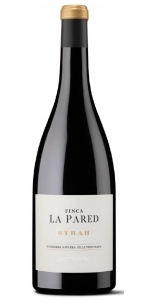
Finca La Pared Syrah is made from 100 percent Syrah.
Finca La Pared Syrah shows an expressive nose of dark fruit aromas and a mineral character.
Intense, direct, playful. Balance of forces.
Review:
The first vintage here was 2018. The 2019 Syrah is a saturated purple hue with a smoking good bouquet of smoky black fruits, cured meats, and leather, and it hits the palate with full-bodied richness, a plush, layered mouthfeel, and ripe tannins. It's balanced, has a deep, rich, concentrated style, and a great finish.
-Jeb Dunnuck 93 Points
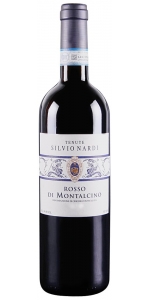
.
Intense ruby red color. Aromas characterized by hints of ripe red fruits, and hints of spices. On the palate it is warm, soft, and full with strong but velvety integrated tannins. Good persistence.
Pairs with meat, cheese, and game.
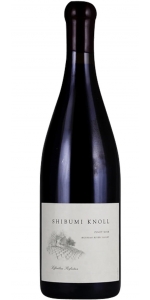
Shibumi Knoll Pinot Noir Sonoma Coast is made from 100 percent Pinot Noir, 20 percent in new French Oak.
Review:
“Moving to the reds, the 2021 Pinot Noir Sonoma Coast comes from the Riddle Vineyard in Sonoma and spent 10 months in 20% new French oak. Black raspberries, sappy herbs, spring flowers, and some black tea notes all give way to a medium-bodied, elegant, vibrant Sonoma Pinot Noir with supple, fine-grained tannins and a great finish. It will age, but it's too good to resist today.”
Jeb Dunnuck, 96 points
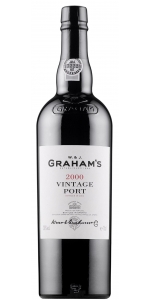
W & J Graham's Vintage Port is made from 35% Touriga Nacional, 47% Touriga Franca and various others.
It is with great pleasure that Graham's announces the declaration of the 2000 Vintage, a wine that has been deemed to meet our very exacting standards, and one that shows every promise of living up to the reputation of the very best Vintage ports that the Twentieth Century provided.
This is a landmark wine for Graham's, not only being the first Vintage of a new millennium, but being the first Vintage wine to enjoy the extraordinary results achieved by the new robotic 'lagares' at Malvedos in the inaugural year of our remodelled winery. Significant also has been the decision to include a rather larger proportion of mature Touriga Francesa and Touriga Nacional from Vila Velha, a classic riverside Quinta a short distance downstream from Malvedos, and some spectacular old vine lots from Vale de Malhadas in the Upper Douro. These wines each from family-owned Quintas have been used to reinforce the predominant component from Malvedos and the traditional excellence of the Rio Torto lots from Lages, to produce a rounded and even blend in the hallmark rich Graham style.
Picking began at Malvedos on September 22nd and the last lagar was run off on October 10th, an unusually short and compact Vintage. Fruit arrived in good condition although yields were less than three quarters of a kilogram per vine, and the juice to skin ratio well below normal. 2000 was a year noted for a very low average yield across the Douro, and with the grapes unusually lacking in liquid, the extra amount of treading work required made it an ideal time to employ our new, tireless, mechanical treaders alongside the two original 1890 stone lagares still worked by human feet. It was evident early on in the Vintage from the colour and aroma of the fermenting musts that we were looking at a spectacular year, and after the usual waiting period of sixteen months or so to see how the lots would develop, we have now made our final selection and assembled the final blend.
The blend displays many of the typical Graham aromas of ripe plum and 'esteva' (gum cistus) and is pleasantly smooth on the palate despite its youth. It is full and rich in the mouth with fresh blackberry and red plum notes. Despite the hallmark Graham sweetness in the mouth the finish is long and clean.
As with all Graham Vintages, this is a wine made to last for years and the patience of laying down the wine for fifteen to twenty years will certainly be rewarded.
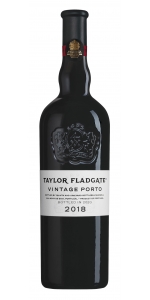
Taylor Fladgate Vintage Port.
On the palate, the wine has beautifully ripe tannins, which integrate perfectly into the mid-palate, providing both structure and volume, and then break out on the finish with a firm wiry, grip. The palate closes with a powerful tide of fresh, complex fruit flowing endlessly through the finish. In the 2018, the Taylor traits of fine fruit and inner power combine seamlessly with the ripeness and depth typical of the vintage.
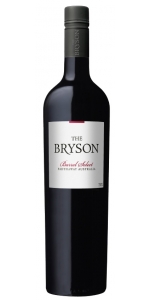
This limited release wine is created from the fusion of two exceptional parcels of 70% Shiraz and 30% Cabernet Sauvignon. This classic blend is matured in the finest oak crafting an intriguing unison that captures the essence of the vineyard and highlights its unique varietal expression.
Vintage Overview
2013 was a very good season with predominantly mild, dry days. Yields were generally low and this did result in some excellent parcels of fruit being harvested. Vine-balance was carefully monitored, resulting in fruit that demonstrates the vibrancy and fruit-derived characters that we strive for in our wines. By all accounts it was a textbook vintage.
Tasting Notes
Deep inky purple in color. Aromas of blackberry, mocha, mint and spices. Lush, ripe palate dominated by black fruits, cherry and chocolate. An expansive palate with black fruits and nicely balanced by oak.
Made with the greatest dedication and care, select parcels were matured in new and seasoned French and American oak for up to 20 months prior to being selected for this blend. Individual barrels from our family estate that best demonstrate the intensity of our fruit, balanced by integrated oak were selected for the final blend, which was then bottled with minimal filtration.
Pairs well with venison, ribeye steak, lamb.
Review:
70% Shiraz and 30% Cabernet Sauvignon. Fruit and oak combine here to produce a powerful, full-bodied red with coffee, toast, blackberry and rick plum flavours pouring through the palate. Tannin taps gently at the brakes: peppercorn and pine notes add lift: creaminess to the texture keeps everything running smoothly. Screwcap. 14.5% alc.
Halliday Wine Companion 2020 94 Points
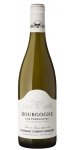
Chavy-Chouet Bourgogne Blanc Femelottes is made form 100 percent Chardonnay.
This is a charming, rich, focused and delightful white. Medium-bodied with a smooth texture, the wine has a fresh backbone of acidity, clean apple and citrus flavors, and an excellent balance. A most refreshing quaff and one that is great value. A delicate, expressive wine of exceptional quality.
The grapes from this wine are grown from the Puligny-Montrachet area. (either outside of the AOC limit or with younger vines).
The grapes from this wine are grown from the Puligny-Montrachet area. (either outside of the AOC limit or with younger vines).
Aged 10 months in oak barrels (10% new, the rest in 2-3 year old barrels).
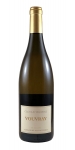
Gaudrelle Monmousseau Clos le Vigneau Vouvray is made from 100% Chenin Blanc
Clos Le Vigneau is a single vineyard from an area known as "les Gués d'Amant" or "Lover's Gap". Most of the vines were planted in 1929.
Off dry in style with honey, earth and apricot notes. Wines from the town of Vouvray have been known to age well for 40 years. This particular bottling should hold for at least 5-7 years.



