" We don't sell the wine without touching the vine "
| Country: | South Africa |
| Region: | Swartland Region |
| Winery: | Short Street |
| Grape Type: | Chardonnay |
| Vintage: | 2018 |
| Bottle Size: | 750 ml |
Argot Chardonnay Sonoma County is made from 100 percent Chardonnay.
Pouring a green-tinted gold, our Sonoma County Chardonnay is a beautiful wine from word go. Radiating from within, a blast of apple/pear fruit informs this wine both aromatically, and on the palate. As flavors unfurl, a progression of orange blossom, pineapple, white peach, and hazlenut are followed by a finish dominated by ginger, baked apple, with a trailing kiss of mint’s freshness. A stunning wine — wholly informed by the perfection of 2018’s growing season — defined by its dichotomy of massively intense flavors, and superb acidity and freshness.
Raised by minimalistic methods, often associated with the classic Chardonnay winemaking techniques of Meursault. With a focus on the coolest Chardonnay region in Sonoma County, 2018’s long, even growing season favored our vineyards’ moderate climate, old vines and deep volcanic soils. These grapes were allowed an extended ripening period on the vine, resulting in perfect balance and concentrated flavors.
Hartford Court Sevens Bench Vineyard Chardonnay is made from 100 percent Chardonnay.
True to its Carneros roots, the 2018 Sevens Bench Chardonnay carries the hallmark of the region – fruit intensity balanced by and good acidity. The aromas are driven by classic lemon drop, Meyer lemon, and lemongrass. That fruit style follows in the flavors, with the citrus focus carrying through with candied lemon drop balanced by the mineral and flint characters inherent to the region and the clonal selections. Barrel fermentation notes in the background add even more complexity to this elegant wine.
Review:
I always seem to find a tropical slant in Chardonnay from Carneros, and the 2018 Chardonnay Sevens Bench Vineyard has it in spades, with ample pineapple, honeyed peach, pear, and toasted spice-like aromas and flavors. This is another balanced, rich, medium to full-bodied Chardonnay from this estate that's loaded with character. Drink it over the coming 5-7 years
-Jeb Dunnuck 95 Points
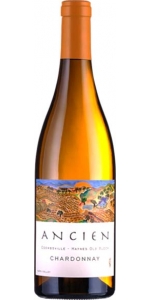
Ancien Chardonnay Coombsville Haynes Old Block is made from 100 percent Chardonnay.
Inspired by the classic and most revered Chardonnay vineyard in the world, Le Montrachet, Ancien winery utilizes the same classic techniques. It is fermented in tight-grained French Oak cask after a gentle squeeze as whole clusters. The wine is not moved through the fermentation and aging period, only pushed by inert gas in gentle fashion into the bottling tank. In vintages where the wine achieves good clarity through natural settling, the wine is not filtered – otherwise it undergoes a light polish to help reveal is core of fruit.
The effusive nose welcomes with layers of lemon meringue, ripe apple, citrus zest, honey and grape blossom. The palate is vibrant and fresh, and the richly textured mouth-feel is expansive. Baked apple tart and stone fruit emerge as this opulent wine reaches the depths of your palate, with further notes brioche. The finish is a focused amalgamation of minerality and ripe fruit. Give this cellar worthy Chardonnay time to open up and it will reveal increasingly lush and creamy layers as it evolves over minutes in the glass and the years in the bottle.
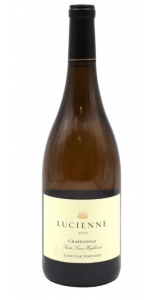
Hahn Estate Lucienne Chardonnay Lone Oak Vineyard is made from 100 percent Chardonnay.
Reviews:
Lemon blossom, grapefruit rind, pastry flake and a hint of ash show on the nose of this single-vineyard expression from the Hahn family. It's suave and broad on the palate at first, then it chisels down to pinpoint acidity, delivering flavors of apricot, lime zest and chalk before the slightly nutty finish. Matt Kettmann
-Wine Enthusiast 94 Points
Sojourn Chardonnay Sangiacomo Vineyard is made from 100 percent Chardonnay.
The core of Sojourn Sangiacomo Vineyard Chardonnay is from the same vineyard source as the highly-acclaimed Sojourn Sangiacomo Vineyard Pinot noir wines. This wine features a combination of Clone 95 Chardonnay from Sangiacomo Roberts Road Vineyard and Old Wente Clone from Sangiacomo Vella Ranch. The Roberts Road block, planted in 1998, provides minerality and vibrancy. The Old Wente Clone selection is known to produce distinctively small clusters, low yields, and results in elegant, complex wines that round out this blend. These ranches are perfectly suited for growing Chardonnay, with cool climates and well-draining soils.
Sojour Chardonnay is fresh and lively, fruit-forward with bright acidity, stone fruit, citrus and apple flavors that leave your mouth watering.
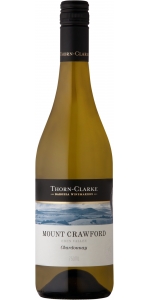
Thorn Clarke Mount Crawford Chardonnay is made from 100 percent Chardonnay.
This Chardonnay is a fine example of Mount Crawford climate, soil and aspect combining to display great varietal characters. The light green color has a vibrancy that is characteristic of the wine. Peach and tropical fruit flavors are complemented by a creamy texture from lees contact and a small amount of exposure to French oak. This also gives the wine a rich, long but clean finish with delicious white peach, pear and citrus notes.
The winemaker recommends trying this wine with chicken teppanyaki.
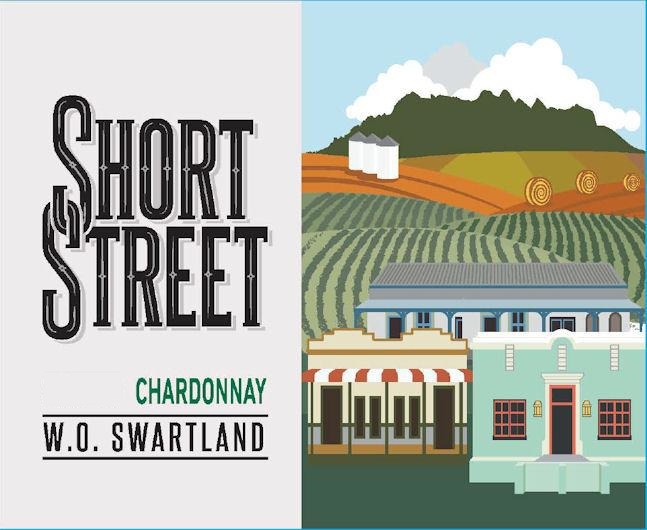
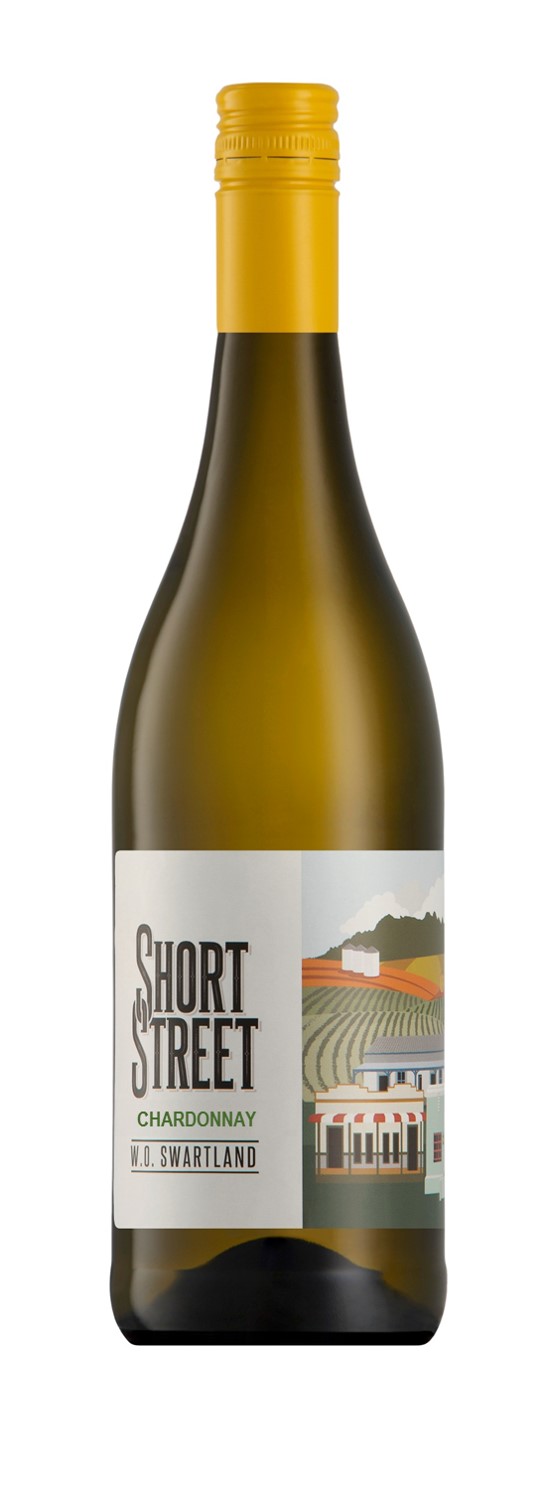
Short Street Chardonnay is made from 100% Chardonnay
Situated at the very heart of South Africa’s Swartland wine region, Short Street is the shortest street in the Riebeek Valley. A melting pot of creative energy, gourmet fare, farm fresh produce and the vibrant, uncomplicated lifestyle of the people, Short Street captures the essence of the Swartland, where passion, creativity and simplicity are distilled into a captivating experience.
Made in a rich, full-bodied, wooded style, this has an intense aroma of ripe apples, lime and pears with hints of tropical fruit, beautifully enhanced by subtle tones of well-integrated oak.
Although upfront and bold, the secret of this wine is in its exceptional balance.
Only free-run juice was settled and was inoculated with selected yeast to ferment in temperature controlled stainless steel tanks between 13-14 degrees Celsius. After fermentation the wine is matured in French oak for 3 – 6 months to integrate flavors and enhance a luxurious mouth-feel.
erve slightly chilled with to rich seafood dishes like scallops or creamy crab chowder.
Situated at the very heart of South Africa’s Swartland wine region, Short Street is the shortest street in the Riebeek Valley. The street is small, but full of life – you’ll find gourmet fare, fresh produce, artisans, music and more. The vibrancy of Short Street is captured in these classic W.O. Swartland wines.
UNIQUE TERROIR
The Swartland is a rugged place of untamed beauty and unique, distinctive terroir.
The terroir of the Riebeek Valley is mainly affected by a Mediterranean climate and diverse, prehistoric Sandstone and Shale soils from the majestic Kasteelberg Mountain. Both significantly influence the style and quality of our wines.
Average age of the vines is 12 years. Oldest are 47 year old bush-vines.
The vineyards are situated at heights that vary from 60m to 300m above sea level, against the slopes and foothills of the Kasteelberg Mountain. Because of the topography, the soils offer rich diversity, including: Oakleaf and Dundee alluvial soil from the sediment of die Berg River and Swartland and Glenrosa soils from underlying shale along the Kasteelberg Mountain.
Rainfall occurs during winter months with enough cold units to ensure a proper rest phase for the vines before bud-break in early September. The summers are intensely hot and dry with some cooling westerly winds that are ideal conditions for producing fine white and red wines.
A low bearing region with limited irrigation, our key vineyards are still farmed as either dry land farms, or with some supplementary irrigation to help the crop to optimum ripeness. The soils and dry land conditions have proved ideal for bush vine (un-trellised) vineyards. The dry land conditions result in small berries with layered flavour, near perfect colour and soft tannin structures that deliver fruit-driven, expressive wines for the novice and connoisseur alike.
The Riebeek Valley supports a great diversity of varietals that florish here but it is their exceptional Chenin Blanc, Shiraz & Pinotage that shows the best of what the Swartland terroir can do.
The wine team, including a full-time viticulturist, works with our grape growers to sustainably develop varietals and sites that best translates the Swartland terroir. Using only free-run juice from the finest grapes, a passionate wine team craft clean, crisp, well-made wines that are true-to-type with focussed fruit and great purity.
ALECIA BOSHOFF: WINEMAKER & HEAD OF PRODUCTION
“I firmly believe that the specific character of each wine has its origin in the vineyard and therefore my goal is to express the uniqueness of our terroir in each glass of wine. Understanding and harnessing the diversified terroir of the Kasteelberg Mountain and the individuality of each vintage guides me in creating special wines rather than blindly following fixed recipes.”
ERIC SAAYMAN: SENIOR WINEMAKER
“Innovative technology and modern cellar equipment enables me to produce wines that boast sought after titles and prestigious awards. Wine lovers are invited to experience the fruit of our wines and to enjoy true Swartland hospitality.”
THARIEN HANSEN: VITICULTURIST
“Essentially the winemaking process begins in the vineyard as winemakers can only make superior wines from quality grapes. Such grapes are only produced when terroir and sustainable vineyard practices are unified. We partner closely with our wine grape growers to ensure that we get the best from our vineyards and preserve this unique terroir for generations to come. It’s all about respecting what we have, and being passionate and considerate in what we do with it. ”.
THEMBILE NTLOKO & WOUTER LOUBSER: Assistant winemakers.
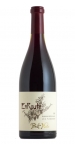
EnRoute Winery Les Pommiers Pinot Noir is made from 100 percent Pinot Noir.
Aromas of fresh raspberry compote are complemented by notes of baking spice, and fresh rain on a forest floor. Generous-yet-soft strawberry preserve flavors expand on the palate, with elegant, silky tannins. A mouthwatering acidity glides across the finish.
Review:
This is a lovely, complex Pinot Noir from a premium Russian River Valley venue that is surprisingly priced more reasonably than lesser wines from the region. It is slightly gamey on the nose and on the palate in the varietal style with dark Bing cherry flavors, and is smooth and almost creamy in texture and taste with mild tannins and a long, haunting finish. In the cellar, it profited from two weeks of skin contact and received a modest oak treatment — standard with many California Pinots — of about 10 months in oak, 30% of it new.
-Roger Morris Wine Review Online 94 Point
Wonderful aromas of wild berries, fresh rose petals and herbs de Provence. Bright and fresh on the palate, with flavors of cranberries, Bing cherries and delicate sweet and savory spices. Medium-bodied with a long, aromatic finish and gentle tannins.
-James Suckling 93 Points
Avennia Valery Red Blend is made from 88% Merlot and 12% Cabernet Franc
Valery is named for the patron saint of wine in the St. Emilion region that inspired it.
We started with old vine Merlot from a stony block in the heart of the Yakima Valley and added complex, aromatic Cabernet Franc from the Horse Heaven Hills. The result is a balanced, complex wine with the elegance and ethereal perfume that this blend of two of Washington’s best varietals are known for.
The nose on this wine is very perfumed, almost exotic with notes of fresh violets, red plum, winter mint, fresh herbs and crushed limestone qualities. The palate is poised and balanced, with red fruits and mocha powder encapsulated in limestone. The finish lingers delicately, with the Cabernet Franc asserting a light tobacco and herb note, giving depth. A compelling wine that will continue to unwind for 7-10 years in the cellar.
Review:
The really good 2023 Avennia ‘Valery’ is nearly all Merlot (90%) with the remainder Cabernet Franc. It is big and bold with terrific freshness and mid-palate depth. Black tea and exotic spices fill the nose with shades of orange bell pepper and heady dark fruits, with dark chocolate shavings. Lush and ripe on the mouth, this exhibits terrific length and underlying tension. Enjoy now and over the next fifteen plus years to come. Drink 2026-2042-
-Owen Bargreen 95 Points